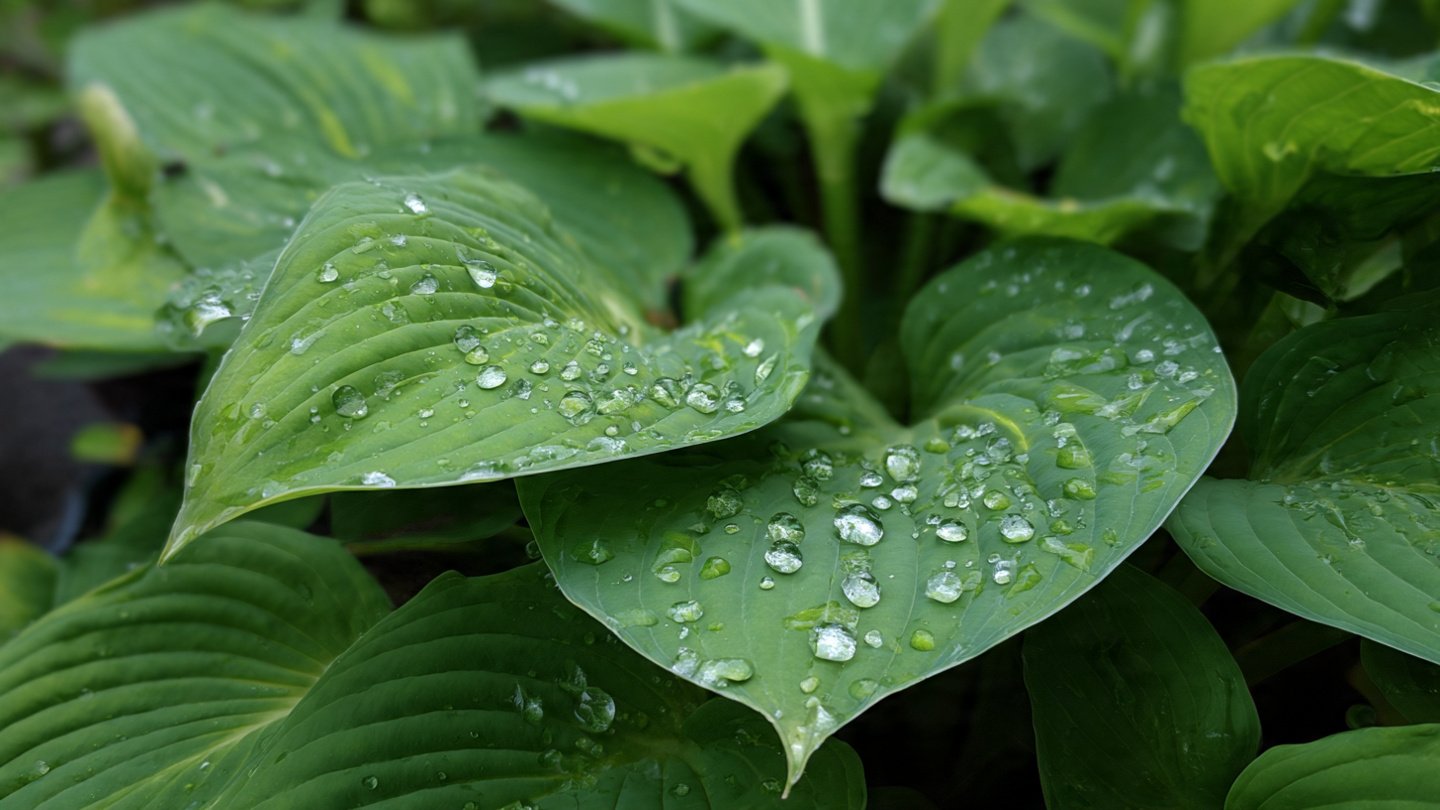
If you’re a gardener who loves lush, leafy plants, few things are more frustrating than spotting your beautiful hostas riddled with holes after a rainstorm. Those smooth, vibrant leaves suddenly look tattered, and you may find yourself asking: What could possibly be causing this? The answer might surprise you, but once you understand the culprit, protecting your hostas becomes much easier.
The Culprit: Slugs and Snails
The most common reason for holes in hosta leaves is the unassuming garden pests slugs and snails. These creatures thrive in moist conditions, which is why rainy days seem to coincide with the sudden appearance of leaf damage. Slugs and snails feed on the soft tissue of hosta leaves, leaving behind irregular holes that can make even the healthiest plant look unhealthy.
Slugs are particularly notorious because they are mostly active at night or during damp, overcast days. Rain not only makes the soil wet and inviting for them, but it also provides the perfect slippery environment for them to travel from hidden spots to your hosta beds. Their feeding pattern often starts at the edges of the leaves, creating ragged holes, but they can also chew through the middle sections, leaving large patches missing.
Other Possible Causes
While slugs and snails are the main culprits, there are other potential reasons your hosta leaves might look damaged:
- Insect Pests: Beetles, caterpillars, and leaf-cutting insects sometimes nibble on hosta leaves. Unlike slugs, these pests often leave more uniform holes or chew patterns.
- Fungal Diseases: Certain fungal infections can weaken leaf tissue, which may tear or develop holes during heavy rain. Look for accompanying signs like yellowing leaves, brown spots, or mold.
- Environmental Stress: Heavy downpours can cause mechanical damage to hosta leaves, especially larger varieties. Strong rain or hail can tear leaves, producing holes that resemble insect damage.
Understanding the source of the problem is crucial before taking action, as each cause requires a different approach.
How to Protect Your Hostas
The good news is that there are several effective strategies to prevent holes in hosta leaves. Here’s how to keep your plants looking their best:
1. Manual Removal
Start by inspecting your garden regularly. Slugs and snails are easiest to manage at night, when they are most active. Simply picking them off and relocating them—or disposing of them—can make a significant difference.
2. Barriers and Traps
Copper tape or barriers are excellent at keeping slugs away, as they dislike crossing copper surfaces. You can also create traps using shallow dishes filled with beer; the slugs are attracted to the yeast and will drown in the liquid.
3. Natural Predators
Encouraging natural predators is another eco-friendly way to reduce slug populations. Birds, frogs, toads, and even some beetles will feed on slugs and snails, helping maintain a balance in your garden.
4. Chemical Treatments
If natural methods aren’t enough, there are slug baits and pellets available. Always read the label and use them sparingly, as some can be harmful to pets and wildlife. Organic options like iron phosphate-based pellets are safer choices for home gardens.
5. Preventive Gardening Practices
Good garden hygiene is key. Remove fallen leaves and debris where slugs might hide. Avoid overwatering, as slugs love damp conditions. Planting hostas in well-drained soil can also reduce slug activity by limiting their preferred moist habitat.
Timing Is Everything
Noticing the timing of the damage can help identify the culprit. If the holes appear after rainy nights, slugs are almost certainly to blame. In contrast, if damage appears during dry spells, insects might be the main problem. By observing your hostas closely, you can tailor your strategy to the specific pest or environmental condition causing the holes.
Don’t Panic: Hostas Are Resilient
While it’s natural to worry about damaged leaves, hostas are remarkably resilient plants. Even if some leaves are partially eaten, the overall health of the plant is rarely compromised if you address the issue promptly. Regular maintenance and early intervention are key to keeping your hosta beds lush and healthy.
Bonus Tips for a Healthier Hosta Garden
- Mulch Strategically: Use coarse mulch like pine needles or bark to create a less inviting surface for slugs.
- Plant Companion Flowers: Some plants, like lavender or fennel, naturally repel slugs and can act as a protective barrier.
- Water Wisely: Water in the morning rather than the evening to reduce nighttime moisture that attracts slugs.
- Choose Resistant Varieties: Some hosta varieties are less appealing to slugs, so consider these if the problem persists year after year.
Final Thoughts
Holes in your hosta leaves after rain are usually a sign of slugs or snails taking advantage of damp conditions. By understanding their behavior and implementing a combination of manual, natural, and preventive strategies, you can protect your hostas and maintain their stunning appearance throughout the season. Remember, early detection and consistent care are the keys to keeping these shade-loving beauties lush, full, and hole-free.
With a little diligence, your hostas can continue to provide a dramatic, leafy backdrop in your garden without the unsightly damage that rainy days can bring. So next time you notice holes in your hosta leaves, you’ll know exactly what’s happening—and exactly how to stop it.