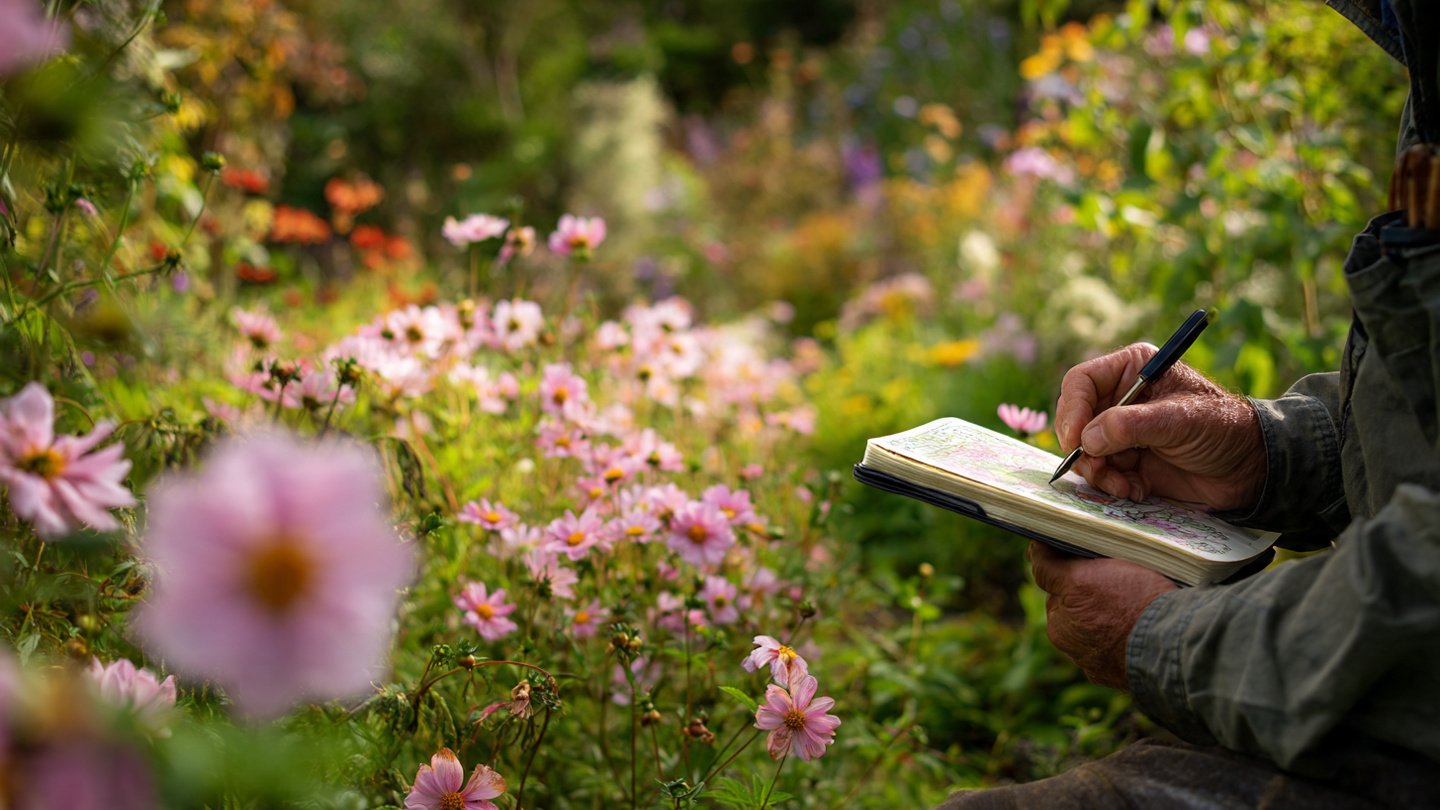
Gardening is more than just planting seeds and watching them grow. It’s a dynamic, evolving process that involves careful observation, patience, and a willingness to experiment. For many gardeners, the joy comes not just from the blooms or the harvest, but from the journey itself—the successes, the failures, and the lessons learned along the way. One tool that can profoundly enhance this journey is a garden diary. But how exactly can a simple notebook or digital log transform your gardening experience? Let’s explore.
1. Tracking Growth and Progress
One of the most immediate benefits of keeping a garden diary is the ability to track the growth and development of your plants. By recording planting dates, germination times, bloom periods, and harvests, you create a personal reference guide that grows with your garden. For example, noting that your tomatoes took 65 days to produce ripe fruit this year versus 70 days last year can help you make more informed planting decisions in the future.
Tracking growth isn’t limited to timelines. You can record the size, color, and health of each plant, and include photographs to visually document changes over time. This not only helps in identifying trends but also allows you to celebrate small victories and watch your garden flourish in ways that might otherwise go unnoticed.
2. Identifying Patterns and Problems
Every garden has its quirks—some areas might dry out faster than others, certain plants may be more susceptible to pests, and weather patterns can significantly affect growth. A garden diary allows you to record environmental conditions such as temperature, rainfall, and sunlight exposure. Over time, you begin to notice patterns that can influence plant health and productivity.
For instance, if you consistently note leaf discoloration in a certain part of your garden during early summer, you may realize it’s related to water stress or pest infestation. By identifying these patterns early, you can implement preventative measures, improving both plant health and yield.
3. Learning From Successes and Failures
Gardening is inherently experimental. Some years, your herbs thrive while your flowers struggle; other years, the opposite happens. By documenting each season’s successes and failures, a garden diary becomes an invaluable learning tool. You can jot down what worked well—like a new fertilization method or companion planting strategy—and what didn’t, such as overcrowding seedlings or poor soil preparation.
Over time, these records help you refine your techniques, make better planting decisions, and reduce repeated mistakes. Essentially, your diary becomes a personal gardening manual, tailored to your unique garden and climate.
4. Enhancing Planning and Organization
A garden diary isn’t just about observation—it’s also about planning. By keeping detailed records of planting schedules, seed varieties, pruning dates, and watering routines, you can organize your gardening activities more efficiently. This is especially helpful for larger gardens or for gardeners managing multiple types of plants with different care requirements.
For example, if your diary notes that your roses bloom in early May, you can plan pruning and fertilization accordingly to ensure maximum bloom. Similarly, keeping track of when to rotate crops in a vegetable garden can improve soil health and reduce pest problems.
5. Encouraging Mindful Gardening
Gardening is often described as therapeutic, a way to slow down and connect with nature. Keeping a garden diary amplifies this mindfulness. The act of observing, recording, and reflecting encourages you to spend more time noticing subtle changes in your garden. You may observe how flowers respond to morning light, how pollinators interact with certain plants, or how soil moisture varies across different garden beds.
This deeper awareness enhances your connection with your garden, making the gardening experience more fulfilling. It transforms gardening from a simple chore into a mindful practice, where each observation is an opportunity to learn and grow.
6. Creating a Historical Record
A garden diary is more than a planning tool—it’s a historical record of your gardening journey. Years from now, you can look back and see the evolution of your garden, the challenges you overcame, and the techniques you perfected. This historical perspective can be incredibly satisfying, offering a sense of accomplishment and continuity.
Moreover, if you ever decide to share your gardening knowledge with friends, family, or a gardening community, your diary serves as a credible and detailed reference. It allows others to benefit from your experience while preserving your personal gardening legacy.
7. Customizing Your Diary for Maximum Benefit
A garden diary can take many forms—traditional notebooks, digital apps, spreadsheets, or even voice recordings. The format you choose should suit your lifestyle and preferences. For instance, if you enjoy drawing, you might include sketches of your garden layout or plant structures. If you’re more tech-savvy, a digital diary can automatically track weather, store photos, and set reminders for watering or fertilizing.
Some gardeners even create hybrid systems: a notebook for quick observations and a digital log for long-term tracking. The key is consistency—regularly updating your diary ensures that it remains a valuable tool rather than a neglected notebook on a shelf.
8. Inspiring Creativity and Experimentation
A garden diary can also spark creativity. By documenting your observations and reflecting on past experiences, you might be inspired to try new plant varieties, landscaping designs, or planting techniques. Noting what worked and what didn’t provides the confidence to experiment without fear, because you can always refer back to your previous experiences for guidance.
Additionally, a diary can help you experiment with garden aesthetics. You might track color combinations, flower arrangements, or plant heights, gradually developing a sense of design and style unique to your garden.
9. Supporting Sustainable Gardening Practices
Finally, a garden diary encourages sustainable practices. By keeping track of water usage, soil amendments, and pest management techniques, you can make more environmentally conscious decisions. You may notice that certain watering routines conserve more water, or that companion planting reduces the need for chemical interventions. Over time, these observations help create a garden that is not only productive but also ecologically responsible.
Conclusion
A garden diary is more than just a log of planting dates or weather patterns—it’s a transformative tool that enhances observation, planning, and creativity. By tracking growth, identifying patterns, learning from both successes and failures, and fostering mindfulness, your diary becomes an indispensable companion on your gardening journey. Whether you’re a beginner seeking guidance or an experienced gardener refining your techniques, a garden diary can turn ordinary gardening into an extraordinary adventure.
So, pick up a notebook, start logging your observations, and watch as your gardening journey grows richer, more organized, and more rewarding—one entry at a time.