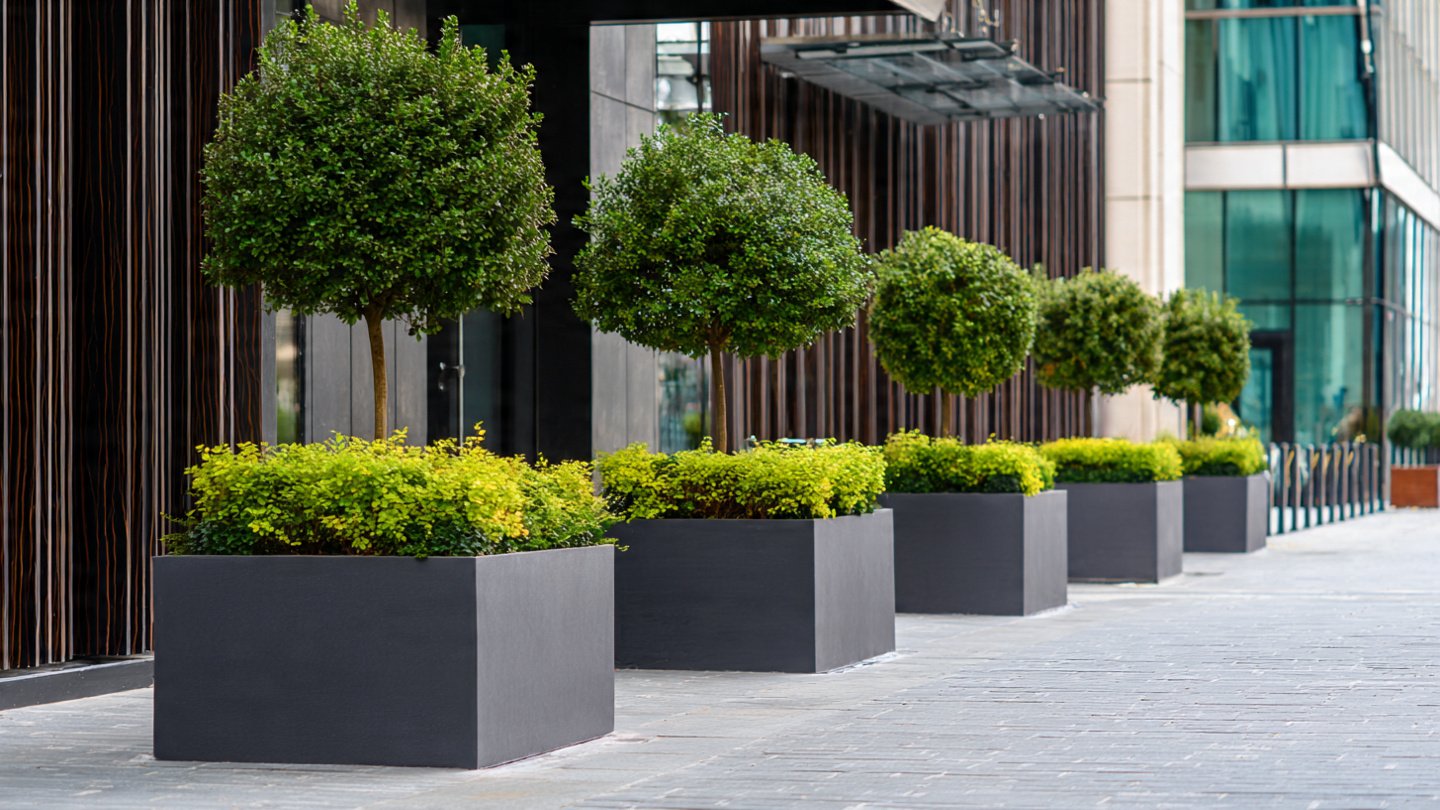
Gardeners often love using heavy planters to create a striking outdoor display, but one of the biggest challenges is keeping them secure during strong winds. Whether you live in a windy coastal area or your garden is exposed to seasonal gusts, unstable planters can tip over, damage plants, or even injure someone nearby. Fortunately, there are several practical strategies to ensure your heavy planters stay firmly in place, protecting both your garden aesthetics and safety.
1. Understand the Risks of Wind for Heavy Planters
Even though heavy planters are less likely to blow over than lightweight ones, the force of wind on tall or top-heavy containers can still create tipping hazards. Factors that affect the stability of your planter include:
- Height and shape: Tall, narrow planters have a higher center of gravity, making them more prone to tipping.
- Material: Planters made of lightweight materials such as plastic or resin, even if they appear heavy, may not resist strong gusts.
- Placement: Planters positioned on slopes, uneven surfaces, or open areas face greater wind exposure.
Understanding these risks is the first step in securing your planters effectively.
2. Choose the Right Planter Design and Material
Selecting the right planter can reduce the risk of wind tipping. Consider these tips:
- Low and wide bases: A planter with a broad base distributes weight more evenly and lowers the center of gravity.
- Weighty materials: Stone, concrete, or ceramic planters naturally resist tipping due to their mass.
- Wind-friendly shapes: Cylindrical or tapered planters can help the wind flow around them rather than catching it like a sail.
By making thoughtful choices in design and material, you create a solid foundation for your plants and reduce future maintenance challenges.
3. Position Strategically in Your Garden
Where you place your planter matters almost as much as its weight. Consider these placement strategies:
- Sheltered spots: Position planters near walls, fences, or hedges that act as windbreaks.
- Avoid high exposure: Open areas without any protective barriers are more prone to wind-related accidents.
- Flat surfaces: Ensure your planter sits on level ground to maintain stability. If your patio or deck has uneven tiles, consider adjusting with leveling pads.
Smart placement works in tandem with other stabilization methods to prevent planter accidents.
4. Anchor Planters Securely
Even the heaviest planters benefit from extra anchoring. Several techniques can help:
- Using brackets or straps: Outdoor-grade straps or brackets can secure planters to walls, decks, or fences. This is particularly useful for tall planters.
- Metal spikes or ground anchors: For planters on soil, driving spikes or anchors into the ground and attaching them to the planter adds stability.
- Bolting to surfaces: If your planter is on concrete or decking, heavy-duty bolts or screws can create a permanent solution against tipping.
Anchoring is one of the most reliable ways to protect your planters from gusts without compromising aesthetics.
5. Add Weight to Lightweight Planters
For planters that are visually appealing but not naturally heavy, adding weight can significantly enhance stability:
- Rocks or gravel: Layer the bottom of your planter with small rocks or gravel to increase mass.
- Sand or soil mix: Heavier soil mixes or filling voids with sand can improve weight without affecting drainage.
- Concrete inserts: For extreme conditions, concrete-filled inserts can turn even lightweight plastic containers into wind-resistant planters.
Adding weight is a simple, cost-effective solution that works for most planter types.
6. Use Grouping to Reduce Wind Exposure
An often-overlooked strategy is planter grouping. By arranging multiple planters together, you create a micro-windbreak effect. Benefits include:
- Mutual protection: Outer planters absorb most of the wind, shielding inner planters.
- Visual harmony: Grouped planters create a cohesive design while improving stability.
- Flexibility: You can mix heights and weights to optimize wind resistance.
This method works best on patios, terraces, or larger garden beds where you have enough space to cluster planters.
7. Consider Plant Selection
While structural stability is key, plant choice also influences planter behavior in wind:
- Low-growing plants: Plants with heavy foliage or dense growth near the soil level lower the overall center of gravity.
- Flexible stems: Plants that sway easily in the wind, like ornamental grasses, exert less force on the planter.
- Avoid top-heavy arrangements: Tall shrubs or trees in lightweight planters are more likely to tip over during gusts.
Matching plants with planter stability ensures long-term success, reducing the risk of wind-related accidents.
8. Seasonal and Temporary Solutions
Even with permanent strategies, strong seasonal winds may require temporary precautions:
- Moveable planters: If possible, use casters or light-weight planters that can be moved indoors or to sheltered areas during storms.
- Protective covers: Windbreaks like temporary screens or lattice panels can deflect gusts.
- Tie-downs: Secure tall or ornamental plants with garden twine or soft ties to prevent planter tipping.
Being proactive during extreme weather events can save your plants and prevent costly damage.
9. Routine Checks and Maintenance
Securing your planters isn’t a one-time job. Regular maintenance ensures long-term stability:
- Check anchor points: Straps, bolts, and spikes can loosen over time. Inspect them periodically.
- Inspect planter integrity: Cracks in concrete or ceramic planters can compromise weight distribution.
- Adjust placement as needed: Seasonal changes in sun, wind, and rainfall may require repositioning your planters.
Routine attention helps prevent unexpected accidents and keeps your garden looking pristine.
Conclusion
Securing heavy planters against strong winds doesn’t have to be complicated. By understanding wind risks, selecting the right planters, positioning strategically, anchoring securely, adding weight, grouping planters, choosing suitable plants, and performing seasonal maintenance, you can ensure your outdoor displays remain safe and stable. These proactive measures not only protect your investment in plants and planters but also enhance the overall beauty and functionality of your garden. A little planning and foresight can go a long way in creating a resilient garden that withstands even the windiest days.