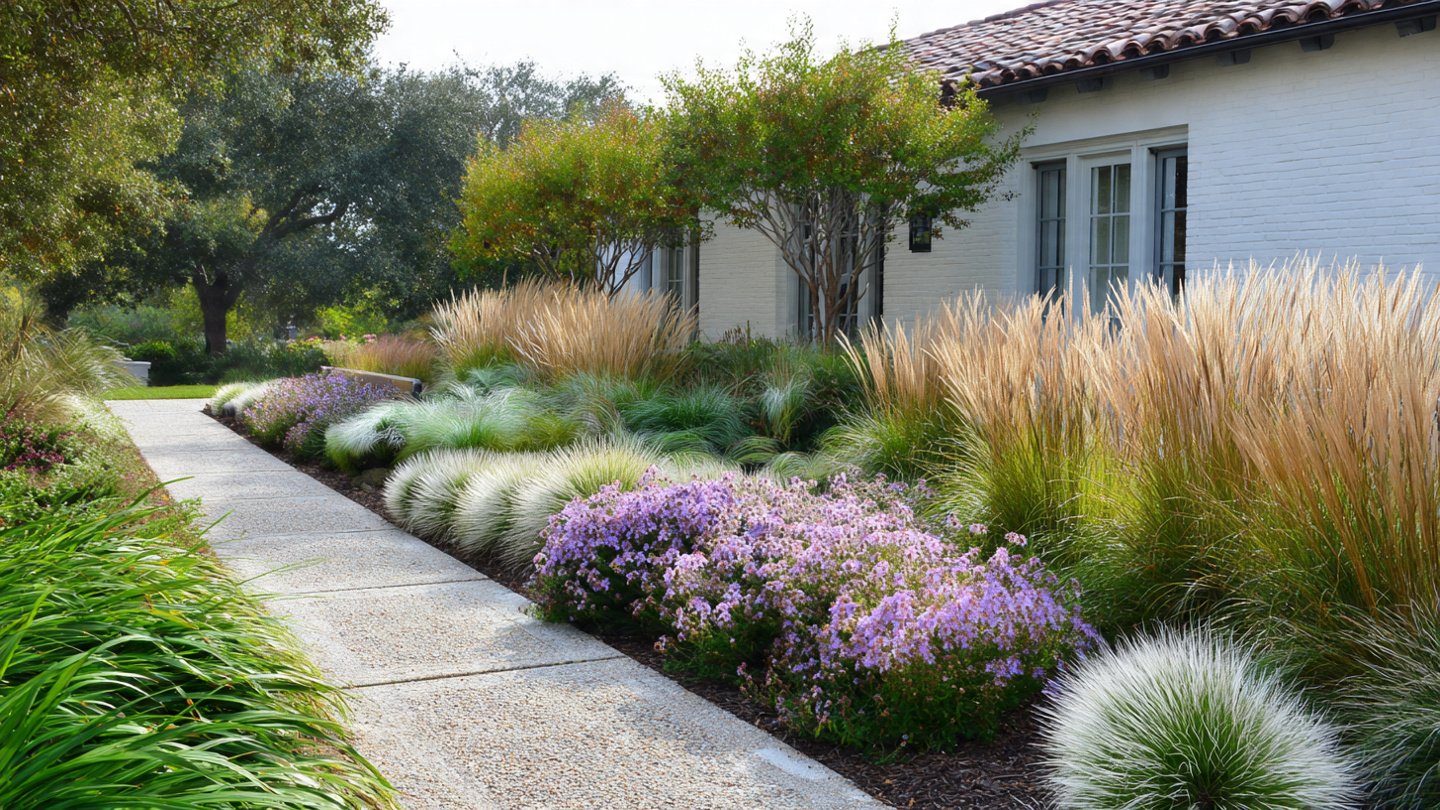
In the world of landscape design, certain plants consistently win the hearts of professionals, and ornamental grasses are at the top of that list. Their popularity among landscapers is not just a passing trend—it is rooted in their versatility, aesthetic appeal, and resilience. From residential gardens to public parks, these grasses provide texture, movement, and year-round interest that few other plants can match.
Understanding why professional landscapers favor ornamental grasses reveals insights not only about garden design but also about the practical advantages of these remarkable plants.
Aesthetic Versatility
One of the primary reasons landscapers adore ornamental grasses is their visual appeal. Unlike many plants that bloom for just a few weeks, ornamental grasses provide constant interest throughout the seasons.
- Movement and Texture – The fine blades and airy plumes of grasses sway gracefully in the wind, introducing dynamic movement that creates a calming and natural atmosphere.
- Color Variety – Many ornamental grasses display seasonal color changes, from vibrant greens in spring and summer to golden, bronze, or red hues in fall. Some varieties even produce colorful seed heads in winter, adding dimension to otherwise dormant landscapes.
- Complementary Design Element – Their subtle yet elegant forms pair well with flowering perennials, shrubs, and hardscaping elements. Landscapers use ornamental grasses as background fillers, accent pieces, or natural screens, making them highly adaptable in design schemes.
Whether planted in borders, massed for impact, or used as standalone specimens, ornamental grasses offer a sophisticated, naturalistic aesthetic that appeals to designers seeking texture and movement.
Low Maintenance and Resilience
Professional landscapers often deal with large-scale projects where maintenance efficiency is key. Ornamental grasses shine in this regard:
- Drought Tolerance – Once established, most ornamental grasses require minimal watering, making them ideal for sustainable landscapes and low-water gardens.
- Pest and Disease Resistance – Unlike delicate flowers or foliage plants, grasses are generally resistant to pests and diseases, reducing the need for chemical treatments or frequent monitoring.
- Hardy Growth – Many varieties can tolerate a wide range of soil types and weather conditions, from poor, sandy soil to heavy clay, making them reliable for various sites.
- Minimal Pruning – Most grasses only require cutting back once a year, usually in late winter or early spring, which simplifies maintenance schedules.
This combination of resilience and low maintenance makes ornamental grasses a favorite choice for landscapers who must balance beauty with practicality.
Ecological Benefits
Ornamental grasses are more than just visually appealing—they also provide significant ecological advantages.
- Soil Stabilization – Their dense root systems help prevent erosion on slopes and embankments, making them excellent functional choices for challenging landscapes.
- Wildlife Support – Many grasses produce seeds that attract birds, while their dense foliage offers shelter for small mammals and insects.
- Pollinator-Friendly – Certain species support beneficial insects, contributing to a healthier, more balanced garden ecosystem.
- Carbon Sequestration – Like other perennial plants, grasses store carbon in their root systems, playing a small but important role in climate mitigation.
These environmental benefits align well with the growing demand for sustainable and ecologically responsible landscaping.
Design Flexibility
Another reason professional landscapers adore ornamental grasses is their remarkable adaptability in design:
- Mass Plantings – For dramatic visual impact, landscapers often use large swaths of grasses, creating movement and rhythm in public parks, gardens, or commercial spaces.
- Borders and Edging – Ornamental grasses can define pathways, frame flower beds, or soften hardscaping lines.
- Mixed Plantings – They pair well with perennials, shrubs, and even tropical plants, adding depth and structure without competing for attention.
- Containers and Urban Spaces – Compact ornamental grass varieties are perfect for patios, balconies, or rooftop gardens, offering greenery in spaces where soil depth may be limited.
With so many applications, landscapers can mix and match species to create texture, height variation, and seasonal color changes, making grasses indispensable for creative projects.
Seasonal Appeal
Unlike many plants that only bloom briefly, ornamental grasses offer year-round interest:
- Spring and Summer – Fresh green blades add lushness to gardens, and some species produce early blooms.
- Fall – Many grasses develop warm golden, copper, or burgundy tones, enriching autumn landscapes.
- Winter – Seed heads and dried plumes provide architectural interest, texture, and visual drama even in dormant months.
This extended seasonal appeal allows landscapers to design gardens that are attractive in every season, reducing the “empty garden” effect often seen in winter.
Professional Advantages
From a landscaping perspective, ornamental grasses also streamline workflow and enhance client satisfaction:
- Durability in Public Spaces – Grasses can withstand foot traffic, wind, and rain better than many delicate perennials, making them ideal for parks, plazas, and commercial landscapes.
- Cost-Effectiveness – Their low-maintenance nature reduces ongoing maintenance costs, which is a major selling point for clients.
- Long Lifespan – Perennial grasses live for many years, providing consistent beauty and structure without frequent replacement.
- Easy Replacement and Propagation – Many ornamental grasses can be divided every few years, allowing landscapers to expand plantings or refresh displays without high costs.
These professional advantages make ornamental grasses a practical choice as well as an aesthetically pleasing one.
Popular Varieties Used by Landscapers
Some of the most favored ornamental grasses include:
- Miscanthus sinensis (Maiden Grass) – Tall, arching plumes perfect for mass plantings and dramatic borders.
- Pennisetum alopecuroides (Fountain Grass) – Soft, flowing form ideal for accent planting or containers.
- Festuca glauca (Blue Fescue) – Compact, colorful variety for rock gardens or edging.
- Calamagrostis x acutiflora (Feather Reed Grass) – Vertical growth habit suitable for screens or narrow spaces.
These varieties provide height variation, color, and texture, giving landscapers a versatile palette for almost any project.
Conclusion
Professional landscapers adore ornamental grasses because they are visually stunning, low-maintenance, and highly versatile. From mass plantings in public spaces to small urban gardens, these grasses provide movement, texture, and year-round interest while supporting wildlife and stabilizing soil. Their resilience, adaptability, and seasonal appeal make them indispensable tools in the landscape designer’s repertoire.
By combining aesthetic beauty with practical benefits, ornamental grasses allow landscapers to create dynamic, sustainable, and visually captivating gardens. Whether used as a focal point, a border, or a natural screen, these plants offer endless possibilities, demonstrating why they remain a staple in professional landscaping projects around the world.
For homeowners and garden enthusiasts alike, understanding the professional love for ornamental grasses can inspire new ways to incorporate these versatile plants into any garden or outdoor space.