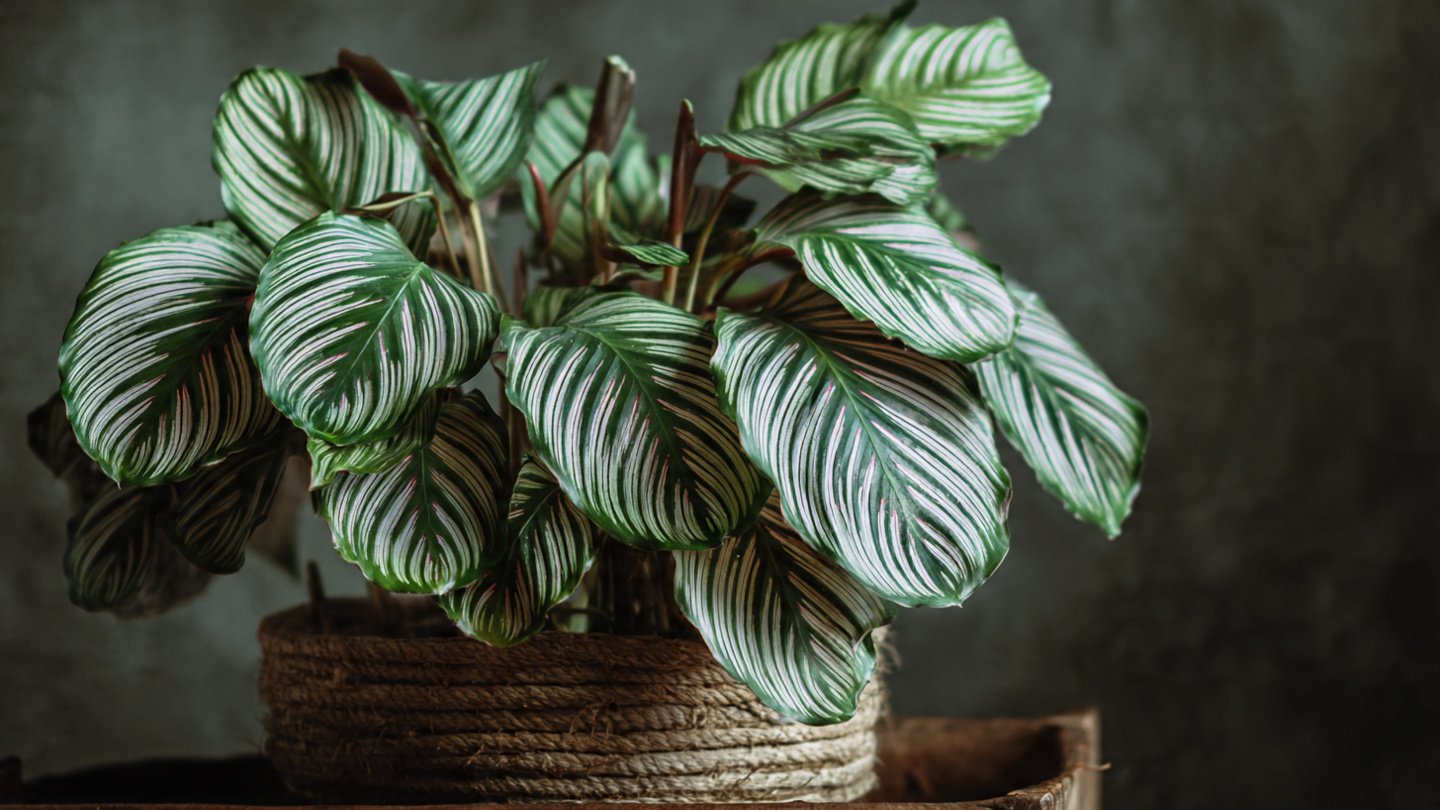
Calatheas are some of the most beautiful and exotic houseplants you can grow. With their striking patterns, vibrant colors, and unique leaf movements, they can instantly brighten any indoor space. However, many plant enthusiasts struggle to keep their Calatheas thriving. One factor that often makes a significant difference—but is frequently overlooked—is the type of water you use. Could distilled water be the secret to healthier, happier Calatheas? Let’s explore why water quality matters and how it can impact your Calathea’s growth.
1. Understanding Calathea Sensitivity
Calatheas belong to the Marantaceae family and are native to tropical rainforests. They are naturally adapted to humid, low-mineral environments with soft, slightly acidic soil. This makes them highly sensitive to:
- Hard water: Water high in calcium and magnesium can cause leaf tip burn, brown edges, and yellowing.
- Chlorine and fluoride: Many tap waters contain chemicals that can damage delicate foliage.
- Salts and impurities: Excess salts can build up in the soil, affecting root function and nutrient absorption.
Because of these sensitivities, even well-cared-for Calatheas can show signs of stress if watered with unsuitable water. This is where distilled water comes in.
2. What is Distilled Water?
Distilled water is water that has been boiled into steam and then condensed back into liquid, leaving most minerals, salts, and chemicals behind. This process produces ultra-pure water, free from:
- Hardness-causing minerals like calcium and magnesium
- Fluoride and chlorine
- Other dissolved salts and impurities
By eliminating these potentially harmful substances, distilled water provides a safe, neutral environment for sensitive plants like Calatheas.
3. Benefits of Using Distilled Water for Calatheas
a. Prevents Leaf Tip Burn and Browning
One of the most common signs of water stress in Calatheas is browning or crisp edges on the leaves. Hard water and chemical additives in tap water often cause this damage. Using distilled water prevents the buildup of these minerals, helping your plant maintain smooth, healthy foliage.
b. Reduces Soil Salt Buildup
Over time, tap water and fertilizers can leave salts in the soil, which may interfere with the plant’s ability to take up nutrients. Distilled water minimizes this problem, keeping the soil healthier and allowing roots to function properly.
c. Promotes Consistent Growth
Calatheas thrive in stable, consistent conditions. Using distilled water ensures that every watering provides neutral, safe hydration, reducing stress and supporting uniform leaf growth, vibrant colors, and overall plant vigor.
d. Ideal for Propagation
When propagating Calatheas from cuttings or division, clean water is especially important. Distilled water provides an uncontaminated environment that encourages root formation without mineral interference.
4. Alternatives to Distilled Water
While distilled water is ideal, it may not always be practical for daily watering due to cost or availability. Fortunately, there are other options:
- Rainwater: Naturally soft and low in minerals, rainwater closely mimics the natural environment of Calatheas.
- Filtered water: Using a home water filter can remove chlorine and some dissolved minerals, improving tap water quality.
- Boiled and cooled water: Boiling water can help reduce chlorine content, though it doesn’t remove minerals.
Each of these options can be a good compromise if distilled water is not readily available.
5. Proper Watering Practices for Calatheas
Using distilled water is only part of the equation. Proper watering techniques are crucial to prevent overwatering, root rot, and other issues:
- Keep soil evenly moist: Calatheas like their soil damp but not soggy. Allow the top 1–2 inches of soil to dry slightly between waterings.
- Water thoroughly: Ensure water reaches the root zone without pooling at the bottom of the pot.
- Check humidity: High humidity supports healthy growth; using a humidity tray, pebble tray, or misting can help.
- Avoid standing water: Empty saucers after watering to prevent root rot.
6. Additional Tips for Thriving Calatheas
Beyond water quality, Calatheas require careful attention to several environmental factors:
- Light: Bright, indirect light is ideal. Direct sunlight can scorch leaves, while too little light slows growth.
- Temperature: Keep Calatheas in a stable environment between 65–80°F (18–27°C). Avoid drafts and sudden temperature changes.
- Soil: Use well-draining, peat-rich soil with good aeration to prevent root problems.
- Fertilization: Apply a balanced, diluted fertilizer monthly during the growing season. Avoid over-fertilizing, as this can exacerbate mineral buildup if not using distilled water.
7. Common Water-Related Problems and Solutions
Even with proper watering, some issues may arise if water quality is ignored:
- Brown leaf edges: Often caused by minerals or salts; switch to distilled or rainwater.
- Yellowing leaves: Could indicate over-fertilization or hard water buildup; leach the soil with distilled water to flush salts.
- Slow growth or curling leaves: Stress from high mineral content or chlorine; consistent distilled water can correct this over time.
By addressing these issues with high-quality water, your Calathea’s natural beauty can be restored.
8. Is Distilled Water Always Necessary?
While distilled water is highly beneficial, it’s not an absolute requirement for every Calathea. If your tap water is already soft, low in chemicals, and free of high salt content, your plant may do well without it. However, for sensitive or struggling plants, switching to distilled water often leads to noticeable improvements in leaf health, color vibrancy, and growth rate.
9. Conclusion
Calatheas are stunning plants that reward careful attention with dramatic foliage and unique leaf movements. Water quality is one of the most overlooked factors in maintaining their health. Using distilled water—or other soft, mineral-free alternatives—can prevent common problems like leaf browning, yellowing, and salt buildup while promoting consistent growth and vibrant color.
Coupled with proper light, humidity, soil, and fertilization, distilled water can indeed be a “secret” to thriving Calatheas. Whether you’re a beginner or an experienced houseplant enthusiast, paying attention to the type of water you use may be the missing piece in achieving the lush, healthy Calathea of your dreams.