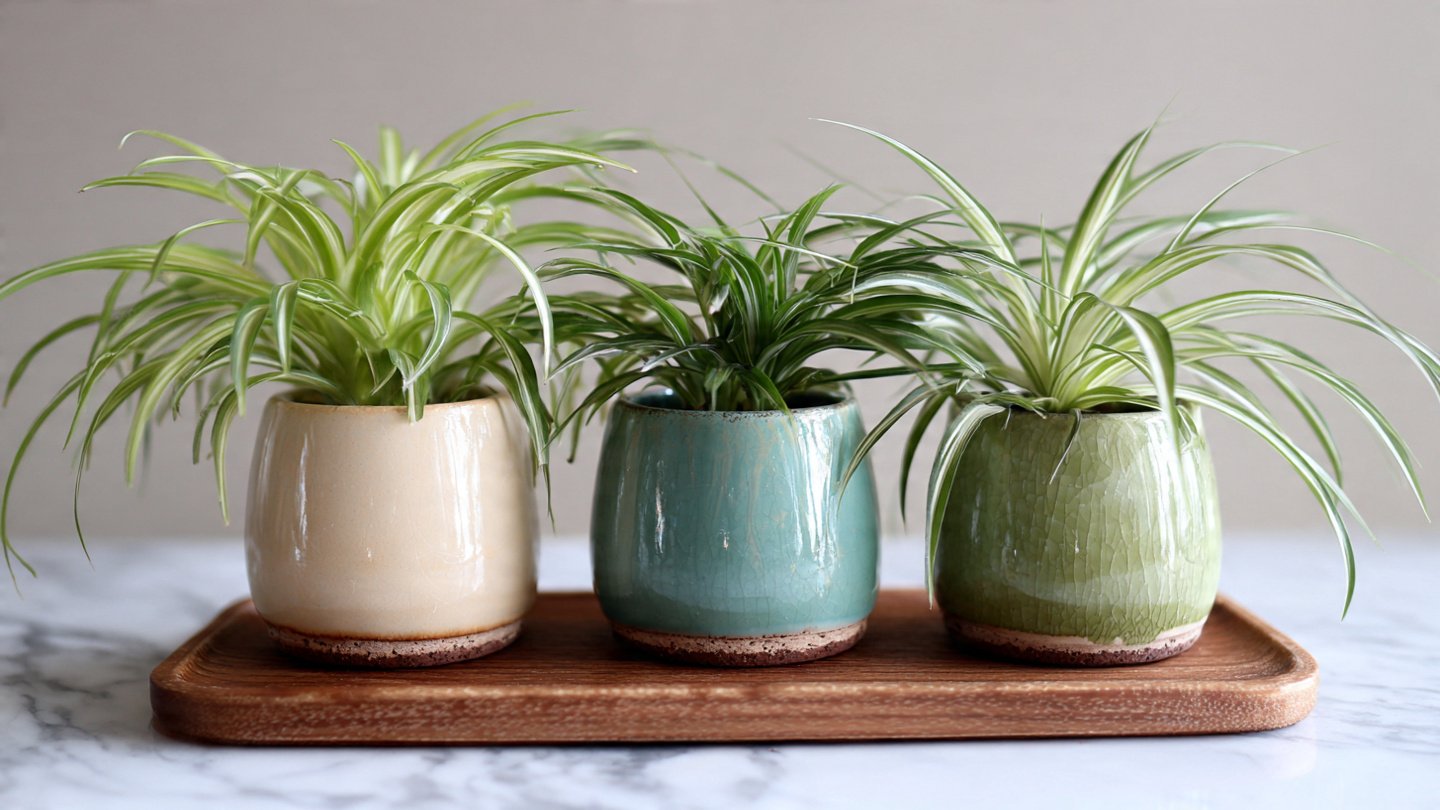
Spider plants (Chlorophytum comosum) have long been a favorite among houseplant enthusiasts, not just for their graceful arching leaves and easy-care nature but also for the tiny offshoots, commonly called “babies” or plantlets, that dangle from the mother plant. These little plantlets aren’t just adorable—they are also highly versatile and make thoughtful, meaningful gifts for friends, family, or colleagues. In this guide, we’ll explore why spider plant babies are such a unique and cherished gift, how to prepare them, and tips for giving them in a way that ensures they thrive in their new home.
The Charm of Spider Plant Babies
Spider plant babies are small clones of the parent plant. They typically develop on long stems called stolons, creating a whimsical cascading effect. Each plantlet is capable of growing roots and maturing into a full-sized spider plant when properly nurtured.
Several features make spider plant babies stand out as gifts:
- Adorable Aesthetic: Their tiny, vibrant green leaves often have white stripes, creating a miniature version of the parent plant that is visually appealing.
- Low Maintenance: Spider plants are famously resilient. They thrive in indirect light, tolerate a range of temperatures, and can withstand occasional neglect, making them ideal for both novice and experienced plant lovers.
- Symbolism: Gifting a spider plant baby can symbolize growth, care, and nurturing relationships. The plantlet is a living reminder of friendship and thoughtfulness.
- Environmental Benefits: Spider plants are natural air purifiers, helping remove indoor pollutants such as formaldehyde and xylene. Giving a plantlet is not only an aesthetic gift but also a contribution to healthier indoor air quality.
The combination of cuteness, resilience, and symbolism makes these tiny plantlets a meaningful and practical gift.
How to Propagate Spider Plant Babies
Before gifting, you may want to ensure your spider plant babies are healthy and ready to thrive. Here’s how to propagate them successfully:
- Identify Healthy Plantlets: Look for babies with a few leaves and visible roots emerging from the base. Babies with weak or yellowing leaves should be avoided.
- Watering Before Removal: Keep the mother plant well-watered a day or two before separating the babies. This helps reduce stress and increases the likelihood of successful transplantation.
- Choose Your Method:
- Rooted Plantlets: If the baby already has roots, gently cut the stolon and plant it directly into a small pot with well-draining potting soil.
- Unrooted Plantlets: If the baby has no visible roots, you can place it in a cup of water until roots develop. Once roots are a few centimeters long, transfer it into soil.
- Provide Proper Soil and Pot: Use a light, well-draining potting mix, such as a blend of peat moss, perlite, and standard potting soil. Choose small decorative pots that suit the recipient’s style.
- Gradual Acclimation: After planting, keep the new plantlet in bright, indirect light. Avoid direct sun initially, as it can scorch tender leaves.
By taking these steps, you ensure the spider plant baby is healthy and ready to thrive in a new home.
Why Spider Plant Babies Are Ideal Gifts
Gifting a plant, especially a living plantlet, can feel more personal and thoughtful than conventional gifts. Spider plant babies are particularly well-suited for this purpose for several reasons:
- Affordability: Spider plants are easy to propagate, so you can gift multiple plantlets without breaking the bank.
- Sentimental Value: Unlike store-bought flowers that wilt in days, a spider plant baby grows with time, creating a lasting connection between the giver and recipient.
- Customization: You can personalize the gift by decorating the pot, adding a handwritten note, or pairing it with care instructions.
- Educational Value: Gifting a plantlet provides a gentle introduction to gardening, teaching recipients how to nurture and care for living things.
These qualities make spider plant babies a unique gift that balances thoughtfulness, practicality, and beauty.
Creative Ways to Present Spider Plant Babies
Presentation can elevate your gift from simple to unforgettable. Here are some creative ideas:
- Mini Pots or Planters: Use small ceramic, clay, or glass pots that complement home décor.
- Hanging Planters: Spider plant babies are naturally suited for hanging planters, highlighting their cascading growth.
- Personalized Containers: Decorate pots with names, quotes, or designs for a personal touch.
- Gift Baskets: Combine the plantlet with a small bag of potting soil, decorative stones, or a watering can for a complete gardening starter kit.
A thoughtful presentation makes the gift feel intentional and special.
Caring Tips for Recipients
Providing simple care instructions ensures that the gift thrives and continues to delight:
- Light: Bright, indirect light is ideal. Spider plants can tolerate low light, but growth may slow.
- Water: Keep soil slightly moist. Avoid overwatering, as this can lead to root rot.
- Humidity: Spider plants prefer moderate humidity. A small tray of water beneath the pot or occasional misting can help.
- Fertilizer: Feed with a balanced liquid fertilizer every 4–6 weeks during the growing season.
- Repotting: As the plant grows, it may outgrow its container. Encourage the recipient to transplant it into a larger pot when roots become crowded.
By including these tips in a small card, you make it easier for the recipient to enjoy long-term success with their new plant.
The Symbolic Meaning of Gifting Spider Plant Babies
Gifting a spider plant baby goes beyond aesthetics. Plants carry symbolic meaning in many cultures, and spider plants are particularly special:
- Growth and Renewal: A plantlet represents growth, nurturing, and the potential to thrive under care.
- Friendship and Connection: Sharing a part of your own plant creates a living connection between you and the recipient.
- Prosperity and Wellbeing: In some traditions, spider plants are believed to bring positive energy and good fortune into a home.
These symbolic associations make spider plant babies more than just decorative gifts—they become thoughtful expressions of care, friendship, and positivity.
Conclusion
Spider plant babies are the perfect gift for anyone, from seasoned plant enthusiasts to friends just starting their indoor garden journey. Their charm, resilience, and symbolism make them ideal living gifts that keep giving. By propagating healthy plantlets, presenting them creatively, and providing simple care instructions, you ensure your gift will thrive and delight for years to come.
Whether you are celebrating a birthday, housewarming, or simply want to show appreciation, gifting a spider plant baby is a meaningful and memorable gesture. Not only do you share a piece of nature, but you also provide a lasting reminder of growth, friendship, and care—a gift that truly keeps on giving.