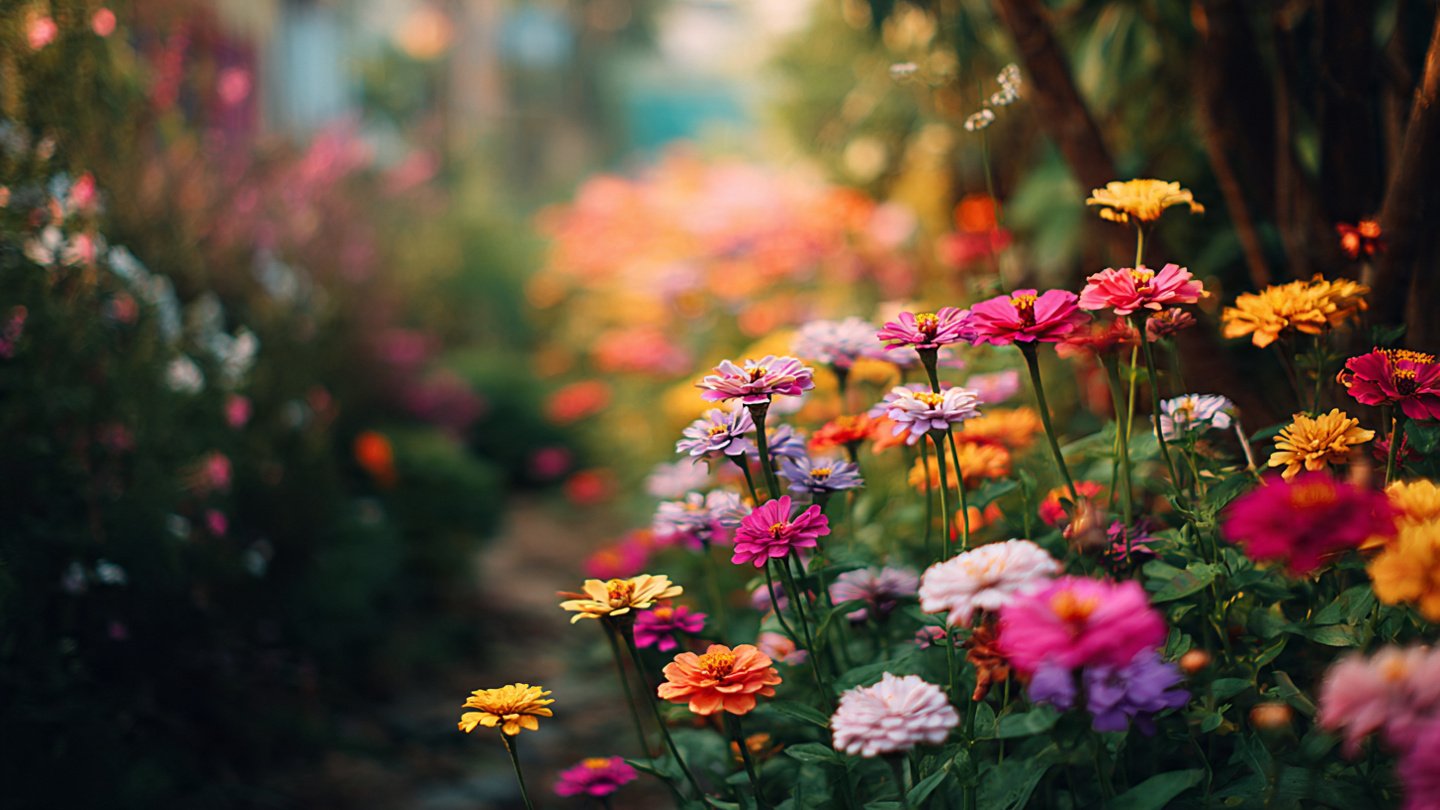
In today’s fast-paced world, stress, anxiety, and depression are increasingly common. Finding natural ways to improve mental health has become a priority for many, and one simple yet profoundly effective method is cultivating a flower garden. Gardening is more than a hobby—it is a therapeutic activity that engages the senses, encourages mindfulness, and fosters a deep connection with nature. Flower gardens, in particular, can play a significant role in improving emotional well-being, reducing stress, and promoting mental clarity. This article explores the ways your flower garden can transform your mental health and provides tips to maximize these benefits.
1. Connecting with Nature Reduces Stress
Spending time in nature has been scientifically proven to lower stress hormones like cortisol and reduce heart rate and blood pressure. A flower garden creates a personal oasis of greenery and color where you can escape the pressures of daily life. Engaging with plants—watering, pruning, or simply observing blooms—triggers a calming effect on the nervous system.
Research indicates that even short periods of gardening can reduce anxiety levels. The act of caring for living plants encourages a sense of responsibility while also providing a peaceful environment that promotes relaxation and emotional balance.
2. Boosting Mood Through Colors and Fragrance
Flowers are known for their vibrant colors and soothing fragrances, both of which can have a direct impact on mood. Color psychology suggests that certain colors evoke specific emotions:
- Yellow and Orange: Promote happiness, energy, and optimism.
- Pink and Purple: Encourage calmness, compassion, and relaxation.
- Blue and White: Inspire serenity and clarity of thought.
Similarly, the scent of flowers like lavender, roses, and jasmine has been linked to reduced stress and improved mood. Simply inhaling these fragrances while tending your garden can trigger the release of serotonin, the “feel-good” hormone, creating a natural boost in emotional well-being.
3. Gardening Encourages Physical Activity
Mental health and physical activity are closely linked. Regular movement stimulates endorphin production, which reduces feelings of anxiety and depression. Gardening involves gentle physical activities such as digging, planting, weeding, and watering, which provide low-impact exercise.
Even light gardening tasks increase circulation, flexibility, and strength. Over time, the combination of physical activity and exposure to natural light helps regulate sleep patterns, enhances energy levels, and contributes to overall emotional resilience.
4. Mindfulness and Meditation in the Garden
Gardening naturally encourages mindfulness—the practice of being present and fully engaged in the moment. Activities like planting seeds, arranging flowers, or trimming leaves require focus and attention to detail. This engagement diverts the mind from stressful thoughts and worries.
Mindfulness in the garden also provides a meditative experience. Listening to the sounds of nature, feeling soil textures, and observing the growth of plants promotes a sense of calm and mental clarity. Studies suggest that mindfulness practices can reduce symptoms of depression and anxiety while improving emotional regulation.
5. Sense of Accomplishment and Purpose
Watching a flower garden thrive provides a tangible sense of achievement. From sowing seeds to seeing the first blooms, the progression of growth reinforces feelings of competence and self-worth. This sense of accomplishment can combat negative thoughts and feelings of helplessness often associated with poor mental health.
Moreover, maintaining a garden provides a daily purpose. Knowing that plants rely on your care encourages consistent routines, which can be stabilizing for mental well-being and contribute to a sense of fulfillment.
6. Social Interaction and Community Benefits
Gardening can also foster social connections. Community gardens, flower clubs, and gardening workshops provide opportunities to meet like-minded individuals. Social interaction is a vital component of mental health, as it reduces feelings of isolation and loneliness. Sharing tips, exchanging plants, or simply enjoying a conversation while working in the garden can strengthen emotional support networks.
Even within a private garden, sharing flowers with neighbors or loved ones can create a sense of connection and enhance positive emotions.
7. Exposure to Sunlight and Vitamin D
Spending time outdoors in your flower garden exposes you to natural sunlight, which is crucial for vitamin D production. Vitamin D plays a significant role in mood regulation and cognitive function. Low levels of vitamin D have been linked to higher rates of depression.
Regularly gardening outdoors helps maintain adequate vitamin D levels, which supports both mental and physical health. Early morning or late afternoon gardening sessions are ideal to absorb sunlight safely while avoiding the harsh midday rays.
8. Creative Expression and Stress Relief
A flower garden offers a platform for creative expression. Choosing plant combinations, arranging colors, and designing layouts allows gardeners to explore creativity while relieving stress. Engaging in creative activities has been shown to reduce anxiety, enhance self-expression, and promote emotional resilience.
The process of nurturing and shaping a garden can be incredibly therapeutic. It transforms a simple outdoor space into a personal sanctuary, reflecting your personality and offering a visual reward for your efforts.
9. Tips for Maximizing Mental Health Benefits
To fully leverage the mental health benefits of your flower garden, consider the following tips:
- Choose Plants You Love: Select flowers that appeal to your senses and bring you joy.
- Start Small: If you’re new to gardening, begin with a few containers or a small plot to avoid overwhelm.
- Incorporate Variety: Use plants with diverse colors, textures, and fragrances to stimulate the senses.
- Create Relaxation Spots: Include seating areas or pathways to enjoy the garden comfortably.
- Practice Daily or Weekly Care: Routine maintenance reinforces mindfulness, purpose, and accomplishment.
- Combine with Other Wellness Practices: Pair gardening with meditation, journaling, or light stretching for holistic mental health benefits.
Conclusion
Your flower garden is more than a decorative feature—it can be a powerful tool for transforming your mental health. From reducing stress and improving mood to encouraging mindfulness, physical activity, and social connection, the benefits of gardening are profound and well-documented. By nurturing plants, you also nurture yourself, creating a harmonious environment that promotes emotional resilience, creativity, and overall well-being.
Whether you have a small balcony with potted blooms or a sprawling backyard filled with vibrant flowers, every moment spent tending your garden contributes to your mental health. Embrace gardening as a holistic practice, and let the beauty, fragrance, and tranquility of your flower garden enhance your mind, body, and spirit.