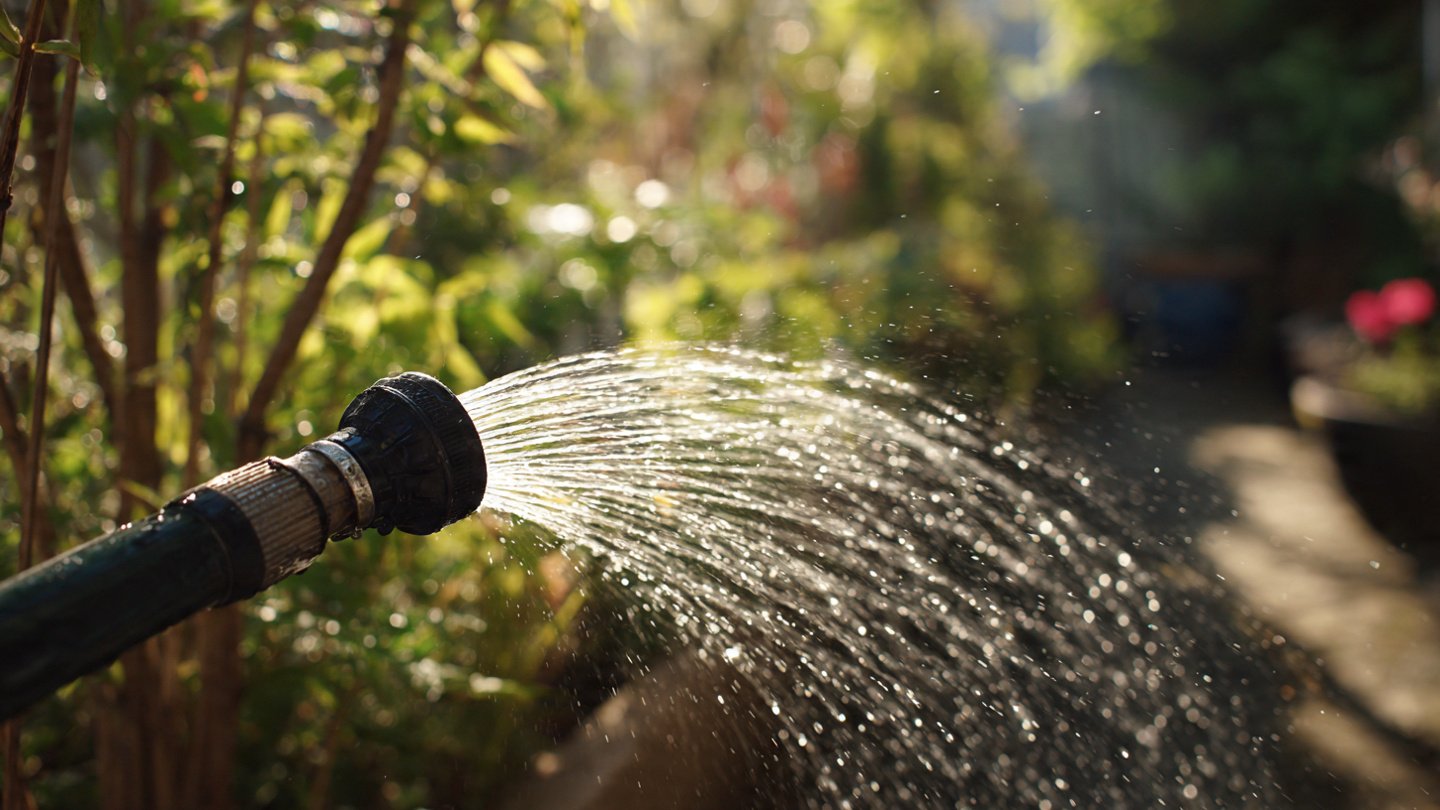
Water is one of the most essential resources for any garden, but it can also be one of the most expensive. For homeowners and gardeners seeking to maintain lush lawns, thriving vegetable beds, or vibrant flower gardens, water bills can quickly become a major concern. One simple, cost-effective solution that many gardeners overlook is the humble soaker hose. Though it may seem modest compared to high-tech irrigation systems, a soaker hose can dramatically reduce water usage, protect plants, and even save hundreds of dollars on water bills over a single season.
What Is a Soaker Hose?
A soaker hose is a type of porous garden hose designed to release water slowly and evenly along its entire length. Unlike conventional sprinklers or hoses, which spray water into the air, a soaker hose allows water to seep directly into the soil at the base of plants. This targeted delivery minimizes waste, reduces runoff, and ensures that plants receive consistent moisture right where they need it.
Soaker hoses come in various lengths and diameters and are typically made from recycled rubber or flexible plastic. Some are reinforced for durability, while others are lightweight and easy to move. They are an affordable option for gardens of all sizes, from small raised beds to expansive lawns.
How Soaker Hoses Save Water
The primary way a soaker hose saves money is by using water more efficiently. Traditional watering methods, such as overhead sprinklers or hand-watering with a regular hose, often result in significant waste. Water can evaporate quickly in hot weather or drift away from the intended area due to wind.
By delivering water directly to the soil:
- Minimized evaporation: Water is absorbed by the soil rather than lost to the air.
- Reduced runoff: Soaker hoses water slowly enough for the ground to absorb the moisture fully.
- Targeted watering: Plants receive water exactly where it’s needed, reducing waste on paths, sidewalks, or non-plant areas.
Studies have shown that drip irrigation and soaker hoses can use 30-50% less water than traditional sprinklers while achieving the same plant growth results. Over an entire summer season, this can translate into substantial savings on water bills, often hundreds of dollars for larger gardens.
Healthier Plants With Consistent Moisture
Beyond cost savings, soaker hoses promote healthier plants. Even watering encourages deep root growth, which makes plants more resilient to heat, drought, and disease. Shallow, inconsistent watering, which often happens with hand-watering or sprinklers, can lead to weak roots and stressed plants.
Additionally, watering at the base rather than spraying leaves prevents many fungal diseases that thrive in damp foliage. This is especially important for vegetables, perennials, and flowers that are susceptible to mildew or rot. By keeping leaves dry and soil consistently moist, your plants are more likely to thrive and produce abundant blooms or crops.
Easy Installation and Use
Soaker hoses are remarkably easy to install and require minimal maintenance. Here’s a simple step-by-step overview:
- Plan your layout: Determine which areas of your garden need watering and measure the required hose length.
- Lay the hose: Position the hose along plant rows or around garden beds. You can use stakes to secure it and ensure close contact with the soil.
- Connect to a water source: Attach the hose to a faucet or outdoor spigot. A timer can be added for automatic watering.
- Test flow: Turn on the water and check that water is seeping evenly along the hose. Adjust positioning if necessary.
Once installed, the hose can be left in place for the season or moved around as needed. Seasonal storage is simple: drain water, coil the hose, and store it in a shaded location to prolong its lifespan.
Combining Soaker Hoses With Mulch
To maximize efficiency, pair your soaker hose with a layer of mulch. Mulch helps retain soil moisture, reduces evaporation, and prevents weeds from competing with your plants for water. Organic mulches like shredded bark, straw, or composted leaves also improve soil fertility as they decompose.
When used together, soaker hoses and mulch create a highly efficient watering system that ensures consistent moisture with minimal effort, further reducing water usage and costs.
Ideal for All Types of Gardens
Soaker hoses are versatile and suitable for a wide range of garden types:
- Vegetable gardens: Deliver water directly to roots without wetting edible leaves, preventing disease.
- Flower beds: Encourage deep root growth and more vibrant blooms.
- Shrubs and perennials: Maintain soil moisture around established plants without overwatering.
- Containers and raised beds: Flexible hoses can snake through raised beds or pots for precise watering.
Because soaker hoses are low-pressure systems, they are safe for delicate plants and young seedlings, reducing the risk of damage from high-pressure sprays.
Time and Labor Savings
Another benefit of using a soaker hose is the time saved. Traditional hand-watering can take hours every week, especially for large gardens. With a soaker hose, you can set up the system, turn it on, and let water seep into the soil while you focus on other gardening tasks.
Automatic timers can further reduce labor by watering at optimal times, such as early morning or late evening, when evaporation is minimal. This combination of water savings and reduced labor makes the soaker hose an ideal solution for busy gardeners.
Cost-Effectiveness
Compared to installing a full-scale drip irrigation or sprinkler system, soaker hoses are extremely affordable. Most hoses cost under $50, depending on length and quality, and can last several seasons if properly cared for.
Considering the water savings, healthier plants, and time saved, the return on investment is substantial. For households with large gardens, it’s not uncommon to save hundreds of dollars in water bills during a single growing season. Over several years, a simple soaker hose can pay for itself many times over.
Tips for Maximizing Efficiency
To get the most out of your soaker hose system:
- Use a timer: Set watering sessions to early morning or evening to reduce evaporation.
- Water deeply: Run hoses long enough to moisten soil to the root zone.
- Check for clogs: Occasionally inspect the hose for blockages or kinks.
- Adjust layout seasonally: Move hoses to different areas as plants grow or new beds are planted.
- Combine with mulch: Mulch around plants to retain moisture and suppress weeds.
Following these tips ensures optimal performance and maximizes both water and cost savings.
Conclusion
A simple soaker hose is a powerful tool for conserving water, saving money, and promoting healthy plants. By delivering water directly to the root zone, reducing evaporation and runoff, and allowing for deep, consistent watering, soaker hoses provide an efficient, low-cost solution for gardens of all sizes.
When combined with proper installation, mulching, and optional timers, a soaker hose can transform your garden into a vibrant, thriving oasis while significantly cutting water bills. It’s a small investment that yields impressive financial, environmental, and aesthetic returns.
For gardeners seeking a sustainable, cost-effective way to care for their plants, the humble soaker hose proves that sometimes the simplest solutions are the most effective.