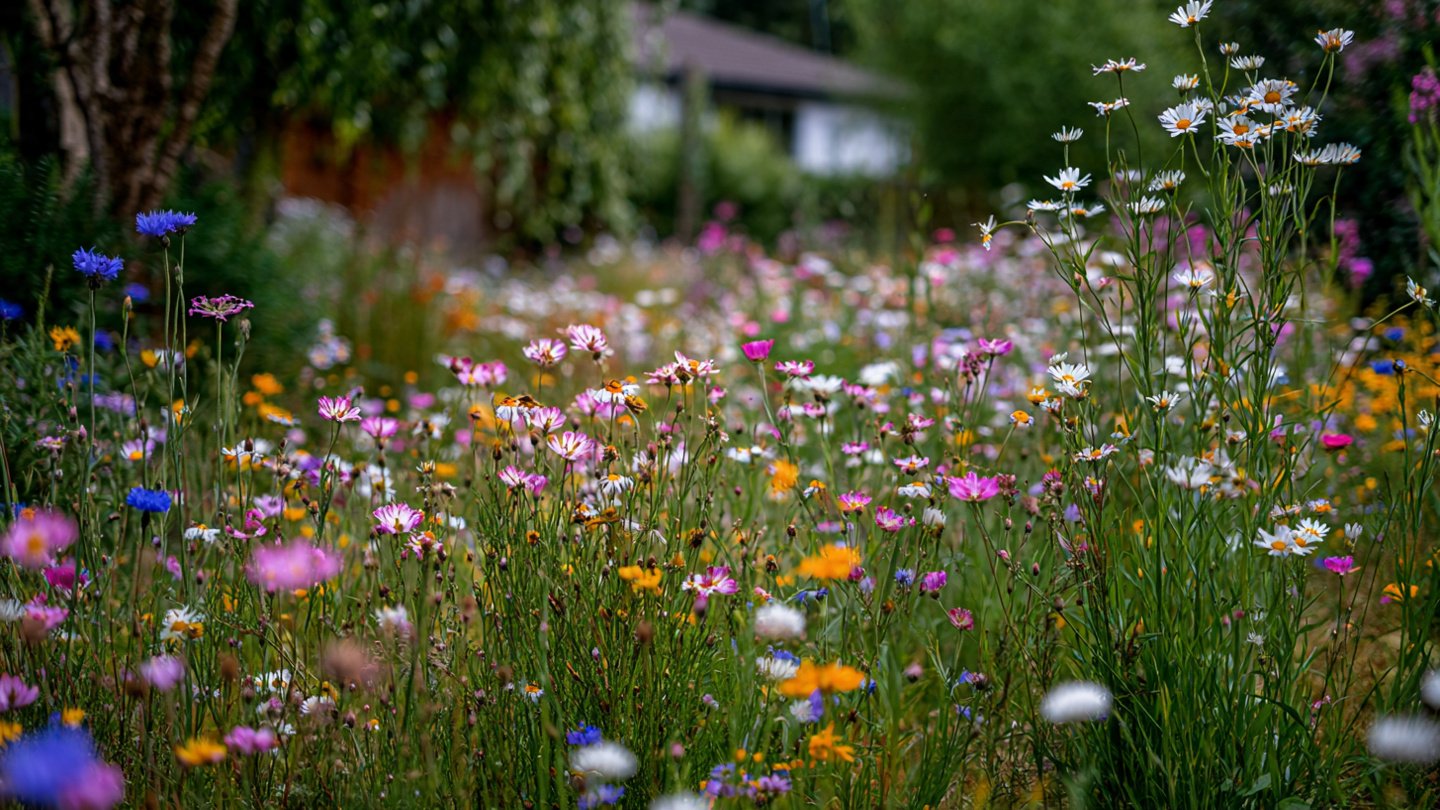
Creating a wildflower garden that feels like a natural, flowing meadow is a dream for many gardeners. However, maintaining this type of landscape can be tricky. Weeds can quickly take over, taller flowers may crowd smaller species, and the natural balance of your garden can be disrupted. Enter the scythe—a traditional, low-tech tool that has been used for centuries to cut grass and manage meadows. While it may seem old-fashioned, the scythe offers a unique, eco-friendly way to transform your wildflower garden into a lush, thriving meadow.
The Benefits of Using a Scythe in a Wildflower Garden
Unlike modern lawn mowers or weed trimmers, a scythe allows you to cut selectively and gently, preserving the delicate ecosystem of your wildflower garden. Here are some key benefits:
- Selective Cutting: You can maneuver around individual plants, cutting unwanted grass or weeds while leaving desired wildflowers intact. This selective approach prevents accidental damage to delicate blooms and young seedlings.
- Promotes Healthy Growth: Regular scything encourages wildflowers to bloom again and keeps aggressive species in check. By cutting back mature plants, you make space for new growth, creating a vibrant and diverse meadow.
- Eco-Friendly: A scythe produces no emissions, consumes no electricity or fuel, and operates quietly, minimizing disruption to pollinators like bees and butterflies.
- Low Impact on Soil: Heavy machinery can compact soil, harming roots and beneficial microorganisms. A scythe is gentle on the ground, preserving the health of your garden ecosystem.
By integrating a scythe into your maintenance routine, you can enhance both the beauty and biodiversity of your wildflower garden.
Choosing the Right Scythe
Not all scythes are created equal, and selecting the right one for your wildflower meadow is crucial for efficiency and comfort. Here’s what to consider:
- Blade Length and Shape: Shorter blades are easier to maneuver in tight spaces, while longer blades are better for cutting large swathes of grass. Curved blades allow for smooth, sweeping motions, ideal for naturalistic cuts.
- Handle Design: Scythes typically come with straight or ergonomic handles. Ergonomic designs reduce strain on your back and arms, making it easier to mow for longer periods.
- Blade Material: High-carbon steel blades stay sharp longer but require more maintenance. Stainless steel blades are more resistant to rust but may need frequent honing.
It’s also a good idea to try out a few scythes in a garden store or workshop to find one that feels balanced and comfortable for your height and strength.
Preparing Your Wildflower Garden for Scything
Before swinging a scythe, some preparation ensures the best results:
- Clear Debris: Remove sticks, stones, and other obstacles to prevent damage to your blade.
- Plan Your Path: Walk through your meadow and decide which areas need cutting. Typically, cut taller grasses and invasive weeds while leaving clusters of wildflowers intact.
- Check for Pollinators: Look for bees, butterflies, or other beneficial insects resting on flowers. Avoid cutting plants that are actively being pollinated to preserve your garden’s ecosystem.
By approaching the task thoughtfully, you can maintain a lush, balanced meadow while minimizing disruption to wildlife.
Scything Techniques for a Lush Meadow
Using a scythe effectively requires some technique, but with practice, you can achieve professional results:
- Proper Stance: Stand with your feet shoulder-width apart and knees slightly bent. Keep your back straight to avoid strain.
- Sweeping Motion: Swing the scythe in a smooth, circular motion from left to right (or right to left if left-handed). Let the blade do the work—don’t push down excessively, as this can damage the grass and soil.
- Overlap Cuts: Slightly overlap each sweep to ensure even coverage without missing patches.
- Adjust Cutting Height: Avoid cutting too close to the ground. Leaving some stem allows plants to regrow and provides habitat for insects and small wildlife.
Practice makes perfect. In the beginning, scything may feel slow, but over time, your rhythm and efficiency will improve, allowing you to maintain a healthy, flourishing meadow.
Timing Matters: When to Scythe
The timing of scything is crucial for maximizing wildflower blooms and maintaining a vibrant meadow:
- Early Summer: Cut back early-blooming grasses and weeds once they start to seed. This prevents them from overshadowing slower-growing wildflowers.
- Mid to Late Summer: Allow wildflowers to fully bloom, then scythe lightly to remove old growth while leaving some seed heads for natural reseeding.
- Autumn: A final cut can tidy the meadow and prepare it for winter. Avoid cutting too close to the ground, as some plants need foliage for protection during colder months.
Adjust timing based on your local climate and the specific species in your meadow to encourage continuous growth and diversity year after year.
Complementing Scything with Other Meadow Management Practices
While a scythe is incredibly effective, combining it with other low-impact garden management techniques can further enhance your wildflower meadow:
- Mulching: Lightly mulch around wildflower clumps to suppress weeds without smothering desired plants.
- Hand-Weeding: Remove particularly invasive species manually to prevent them from dominating the meadow.
- Seeding and Replanting: After scything, consider overseeding bare patches with native wildflower seeds to maintain dense coverage and floral diversity.
- Natural Fertilization: Use compost or well-rotted manure sparingly to enrich soil without favoring aggressive grasses over wildflowers.
By integrating these practices with scything, you create a sustainable, self-regulating meadow that thrives season after season.
The Transformative Impact on Your Garden
A wildflower meadow maintained with a scythe offers visual and ecological benefits:
- Aesthetic Beauty: Sweeping cuts reveal the natural structure of grasses and flowers, creating a harmonious, flowing landscape.
- Increased Biodiversity: By carefully managing growth, you support a range of pollinators and beneficial insects, creating a balanced ecosystem.
- Stress Relief: Scything is a meditative activity, allowing gardeners to connect physically and mentally with their land.
- Sustainability: Reduced reliance on powered tools lowers your carbon footprint while preserving the health of your soil.
The combination of visual beauty, ecological health, and personal satisfaction makes scything a powerful tool for transforming a wildflower garden into a lush, thriving meadow.
Conclusion: Embrace the Scythe for a Lush Meadow
Transforming your wildflower garden into a flourishing meadow doesn’t require expensive equipment or chemical interventions. With the right scythe, proper technique, and thoughtful timing, you can maintain a vibrant, biodiverse, and visually stunning garden. Scything encourages healthy plant growth, supports pollinators, and fosters a closer connection between gardener and garden.
Whether you’re cutting for aesthetics, ecological balance, or simply the joy of working with your hands, the scythe is a timeless tool that can elevate your wildflower garden from a collection of plants into a living, breathing meadow.
By embracing this traditional method, you preserve the natural rhythm of your garden, allowing each season to bring new life, color, and movement to your landscape. In the hands of a gardener, the scythe isn’t just a tool—it’s a key to unlocking the lush potential of every wildflower meadow.