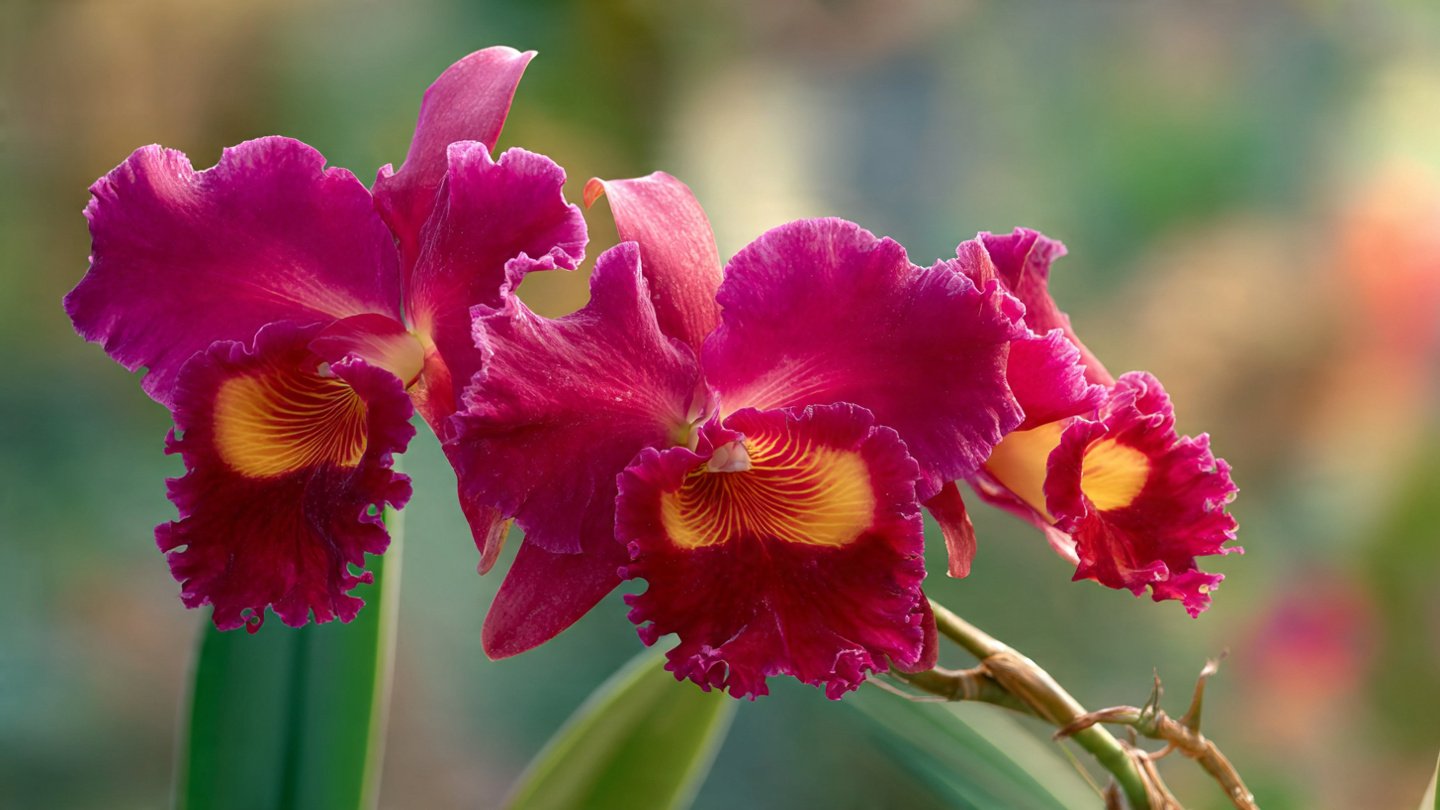
Orchids are among the most elegant and captivating plants for any home or garden. Their intricate flowers, delicate fragrance, and long-lasting blooms make them highly prized by gardeners and plant enthusiasts alike. However, one common challenge is keeping orchids blooming for extended periods. While orchids are naturally resilient, their flowering depends on proper care, environmental conditions, and timing. By understanding the needs of these exotic plants and following a few essential techniques, you can encourage blooms that last for weeks and sometimes even months.
This article will explore how to make your orchids bloom consistently, the key care practices for prolonged flowering, and tips for creating an environment that supports their natural growth cycle.
Understanding Orchid Bloom Cycles
Before diving into care techniques, it’s essential to understand how orchids bloom. Most popular orchids, such as Phalaenopsis or moth orchids, naturally flower once or twice a year. Each bloom can last anywhere from 6 to 12 weeks under optimal conditions. Factors such as temperature, light, humidity, and proper nutrition influence both the length and frequency of flowering.
Orchids go through a resting phase after flowering, during which the plant focuses on developing leaves, roots, and energy reserves. By providing ideal care during both the flowering and resting stages, you can increase the chances of longer-lasting blooms and more frequent flowering cycles.
Providing the Right Light
Light is critical for orchid health and flowering. Most orchids thrive in bright, indirect light. Too little light prevents buds from forming, while too much direct sunlight can scorch the leaves and flowers.
- Phalaenopsis orchids: Prefer east- or south-facing windows with filtered light. A sheer curtain can diffuse harsh sunlight.
- Cattleya orchids: Require bright, indirect light and may tolerate a few hours of morning sun.
- Dendrobium orchids: Thrive in bright light but need protection from the hot afternoon sun.
Observing leaf color is a useful way to gauge light levels. Healthy orchid leaves should be a bright, medium green. Dark green leaves usually indicate insufficient light, while yellowing or reddish leaves suggest excessive exposure.
Controlling Temperature and Humidity
Orchids are sensitive to temperature fluctuations, and maintaining a consistent environment encourages prolonged blooming. Most orchids prefer daytime temperatures between 70–85°F (21–29°C) and nighttime temperatures around 60–65°F (16–18°C). A slight difference between day and night temperatures can even stimulate flower spikes.
Humidity is another crucial factor. Orchids generally thrive in 50–70% humidity. You can increase humidity using:
- Humidity trays filled with water and pebbles under the plant.
- Regular misting of the leaves and air around the plant.
- Grouping orchids together to create a microclimate with higher moisture.
Maintaining consistent humidity prevents stress on the plant and helps flowers last longer.
Proper Watering Techniques
Watering orchids correctly is essential for their health and bloom longevity. Overwatering is one of the most common causes of orchid problems, leading to root rot and reduced flowering. Underwatering, on the other hand, can cause buds to dry out and drop prematurely.
- Water your orchids once a week, or when the potting medium feels dry to the touch.
- Use tepid water and avoid letting water sit in the crown of the plant to prevent rot.
- Ensure the pot has proper drainage to prevent stagnant water around the roots.
Remember that orchids prefer drying out slightly between waterings rather than remaining soggy. Proper watering encourages healthy roots, which are the foundation for strong, long-lasting blooms.
Feeding for Flower Longevity
Orchids require nutrients to support flowering, but too much fertilizer can harm the plant. Use a balanced orchid fertilizer (20-20-20) at half strength every 2–4 weeks during the growing season.
During the flowering phase:
- Fertilize less frequently to avoid stimulating excessive leaf growth at the expense of flowers.
- Consider using bloom-boosting fertilizers higher in phosphorus (the middle number in fertilizer ratios, e.g., 10-30-20) to support strong flower production.
Regular feeding ensures that orchids have the energy to sustain blooms for weeks or months.
Encouraging Re-Blooming
Once your orchid has finished blooming, it’s important to care for it properly to encourage future flowering. This involves:
- Pruning: Cut spent flower spikes just above the node for Phalaenopsis orchids, or remove the entire spike if it turns brown. Avoid cutting green, healthy spikes, as they can sometimes produce secondary blooms.
- Resting Phase: Allow the plant to rest with reduced fertilization and watering. Focus on supporting leaf and root growth.
- Temperature Adjustments: Some orchids require a drop in nighttime temperature to trigger flower spike formation. For example, a 10–15°F (5–8°C) difference between day and night can stimulate buds.
By carefully managing these conditions, you can extend the blooming period and encourage your orchids to flower again in the following season.
Choosing the Right Potting Medium
Orchids are epiphytes, meaning they naturally grow on trees rather than in soil. Their roots need air circulation and proper drainage to stay healthy. Popular potting media include bark chips, sphagnum moss, or a combination of both.
- Bark: Drains well and prevents root rot but may require more frequent watering.
- Sphagnum moss: Retains moisture longer but can compact over time, which may limit air circulation.
Repotting every 1–2 years is recommended to refresh the medium, remove decomposed material, and provide space for new root growth. Healthy roots are essential for sustained blooming.
Managing Pests and Diseases
Pests like aphids, spider mites, and mealybugs can stress orchids and shorten flower life. Regularly inspect your plants for signs of infestation and treat them promptly with insecticidal soap or neem oil.
Fungal and bacterial diseases can also affect blooms and leaves. Ensure good air circulation, avoid overhead watering, and remove any affected plant parts. Maintaining a clean environment is key to keeping orchids healthy and flowers long-lasting.
Providing Support for Flower Spikes
Tall flower spikes may need staking to prevent bending or breaking, especially if your orchid produces multiple blooms. Use bamboo stakes or flower clips to gently support the stems without damaging them. Proper support ensures flowers remain upright and display their full beauty for months.
Tips for Maximum Bloom Longevity
- Avoid Moving the Plant Frequently: Orchids can drop buds if stressed by constant relocation.
- Keep Away from Drafts: Sudden cold or hot air from windows, fans, or HVAC systems can reduce flower lifespan.
- Regular Monitoring: Check the plant daily for wilting blooms, pests, or yellowing leaves and address issues promptly.
- Clean Leaves: Dust-free leaves allow better photosynthesis, supporting the energy needed for flowering.
Conclusion
Orchids are not just beautiful; they are a rewarding challenge for gardeners who wish to master long-lasting blooms. By understanding the natural needs of your orchids, providing proper light, temperature, humidity, watering, and nutrition, and carefully managing their flowering and resting phases, you can enjoy months of elegant blossoms.
With patience, observation, and consistent care, your orchids can thrive year after year, filling your home with graceful flowers and a sense of accomplishment. Long-lasting blooms are a result of a healthy, balanced plant, and by creating the right environment, you are ensuring that every season brings the beauty and charm that orchids are famous for.