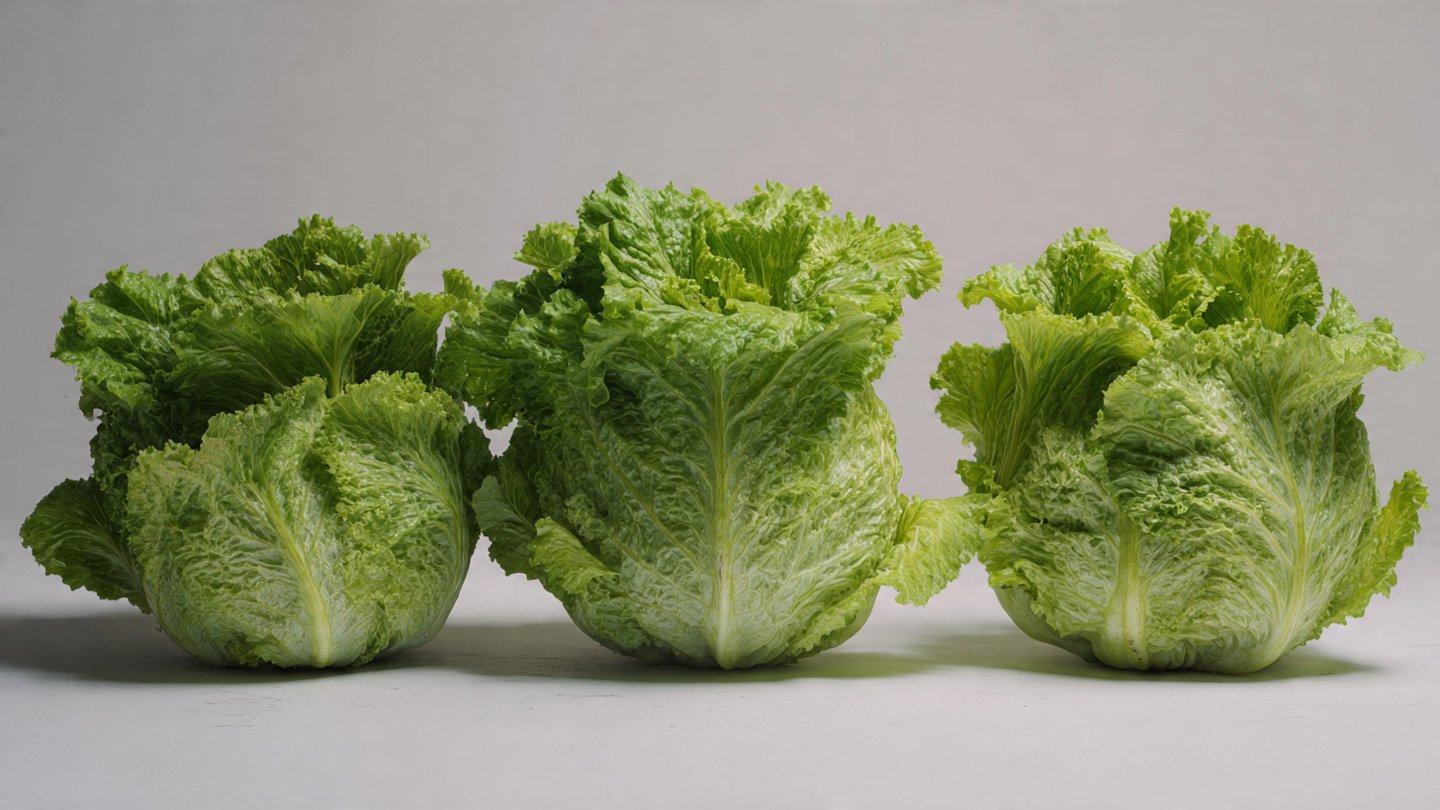
Growing lettuce in your garden can be rewarding, but cultivating giant heads of lettuce is an art and science all its own. For gardeners, the allure of oversized, crisp, and flavorful lettuce is irresistible—perfect for salads, sandwiches, and family meals. While many gardeners settle for average-sized heads, understanding the key factors that produce massive, healthy lettuce can transform your garden into a haven of bountiful greens.
Why Grow Giant Lettuce Heads?
There are several compelling reasons to pursue giant lettuce heads in your garden:
- Culinary Satisfaction: Large lettuce heads yield more leaves, allowing you to prepare more dishes without needing multiple plants.
- Aesthetic Appeal: Giant lettuce heads are visually impressive, making your garden look lush and productive.
- Efficiency: Fewer plants can provide the same harvest as many smaller ones, saving space in your garden.
- Nutritional Value: Larger, healthy leaves retain the nutrients of smaller heads, offering more servings of vitamins and minerals.
With proper planning and care, cultivating giant lettuce is entirely achievable, even for beginner gardeners.
Choosing the Right Lettuce Variety
The first step in growing massive lettuce heads is selecting a variety suited to your climate and goals. While almost any lettuce can grow large under ideal conditions, some varieties are naturally predisposed to size:
- Romaine (Cos) Lettuce: Known for its tall, elongated heads and crunchy texture.
- Butterhead Lettuce (Bibb or Boston): Forms soft, rounded heads that can grow quite large when nurtured properly.
- Iceberg Lettuce: Produces dense, crisp heads that thrive in cooler climates.
Choosing the right variety ensures that your plants are predisposed to reaching impressive sizes and reduces the struggle against environmental stressors.
Optimal Soil Conditions for Giant Lettuce
Soil preparation is critical to achieving large heads of lettuce. Lettuce thrives in loose, nutrient-rich, and well-draining soil. To create the ideal growing environment:
- Add Organic Matter: Mix compost, aged manure, or organic fertilizer into the soil to provide essential nutrients.
- Maintain Proper pH: Lettuce prefers slightly acidic to neutral soil, with a pH range of 6.0–7.0.
- Improve Drainage: Excess water can cause root rot or slow growth. Raised beds or lightly mounded soil help maintain proper drainage.
- Loosen the Soil: Aerated soil encourages roots to expand, which directly contributes to larger leaves and heads.
Healthy, nutrient-rich soil allows lettuce plants to grow vigorously, producing the size and density necessary for giant heads.
Planting Techniques for Maximum Growth
Planting technique influences the final size of your lettuce heads:
- Spacing: Give each plant ample room. Crowding can stunt growth, so space leaves at least 12–18 inches apart.
- Succession Planting: Stagger planting every 1–2 weeks to maintain a continuous harvest while ensuring each head has space to reach full size.
- Depth: Sow seeds shallowly, about ¼ inch deep, for optimal germination. Cover lightly with soil and keep moist until seedlings emerge.
Spacing and proper planting techniques reduce competition for light, water, and nutrients, allowing each plant to thrive.
Watering and Nutrient Management
Consistent watering and nutrient management are crucial for producing large lettuce heads. Lettuce has shallow roots and requires steady moisture to prevent stress, which can cause bolting or bitter leaves.
- Watering: Provide 1–1.5 inches of water per week, preferably in the morning to allow leaves to dry and reduce the risk of disease. Drip irrigation or soaker hoses work best to keep soil moist without overwatering.
- Fertilizing: Supplement soil with balanced fertilizers high in nitrogen to encourage leafy growth. Over-fertilizing can lead to excessive leaf growth without head formation, so follow recommended rates.
By maintaining even moisture and nutrient availability, your lettuce plants can grow steadily and develop large, dense heads.
Temperature and Light Considerations
Lettuce is a cool-season crop that thrives in moderate temperatures, generally between 60–70°F (15–21°C). Extreme heat or prolonged sun can cause bolting—when the plant produces a flower stalk—resulting in bitter leaves and stunted heads.
- Partial Shade: In warmer climates, provide partial shade during the hottest part of the day to prevent stress.
- Mulching: Apply organic mulch to retain soil moisture and regulate temperature around the roots.
- Seasonal Planting: Plant in early spring or late summer to avoid peak heat, giving the heads time to grow large before bolting.
Managing temperature and sunlight exposure is essential for giant lettuce heads, as even small stress factors can limit growth.
Pest and Disease Management
Pests and diseases can hinder the growth of large lettuce heads. Common threats include slugs, aphids, and leaf miners, as well as fungal issues like downy mildew. Strategies to protect your crop include:
- Regular Monitoring: Inspect plants frequently for signs of damage or infestation.
- Natural Predators: Introduce beneficial insects such as ladybugs to control pests.
- Organic Treatments: Use neem oil, diatomaceous earth, or insecticidal soap as safe alternatives to chemical pesticides.
- Crop Rotation: Rotate planting locations each season to reduce soil-borne disease risks.
Healthy plants free from pests and disease are more likely to reach their full potential size.
Harvesting for Maximum Yield
Timing is everything when harvesting giant lettuce heads:
- Check Size: Harvest when heads are firm, full, and have reached the desired size.
- Cut Carefully: Use a sharp knife to cut the head at the base, leaving roots if you want to encourage regrowth in some varieties.
- Early Morning: Pick lettuce in the morning when leaves are crisp and full of moisture for the best taste and texture.
Proper harvesting techniques help preserve flavor and texture while maintaining plant health for possible successive crops.
Conclusion
Cultivating giant heads of lettuce is a blend of careful planning, proper soil preparation, and attentive care. By selecting the right variety, providing nutrient-rich soil, spacing plants correctly, and managing water, temperature, and pests, gardeners can unlock the potential for massive, healthy lettuce heads.
The rewards are well worth the effort: abundant, flavorful, and visually impressive greens that enhance salads, sandwiches, and meals. By mastering the techniques for growing giant lettuce, your garden transforms into a showcase of nature’s potential and a source of pride for gardeners of all skill levels.
With patience, attention to detail, and a love of gardening, anyone can unravel the mystery of cultivating giant heads of lettuce and enjoy the literal fruits—or leaves—of their labor.