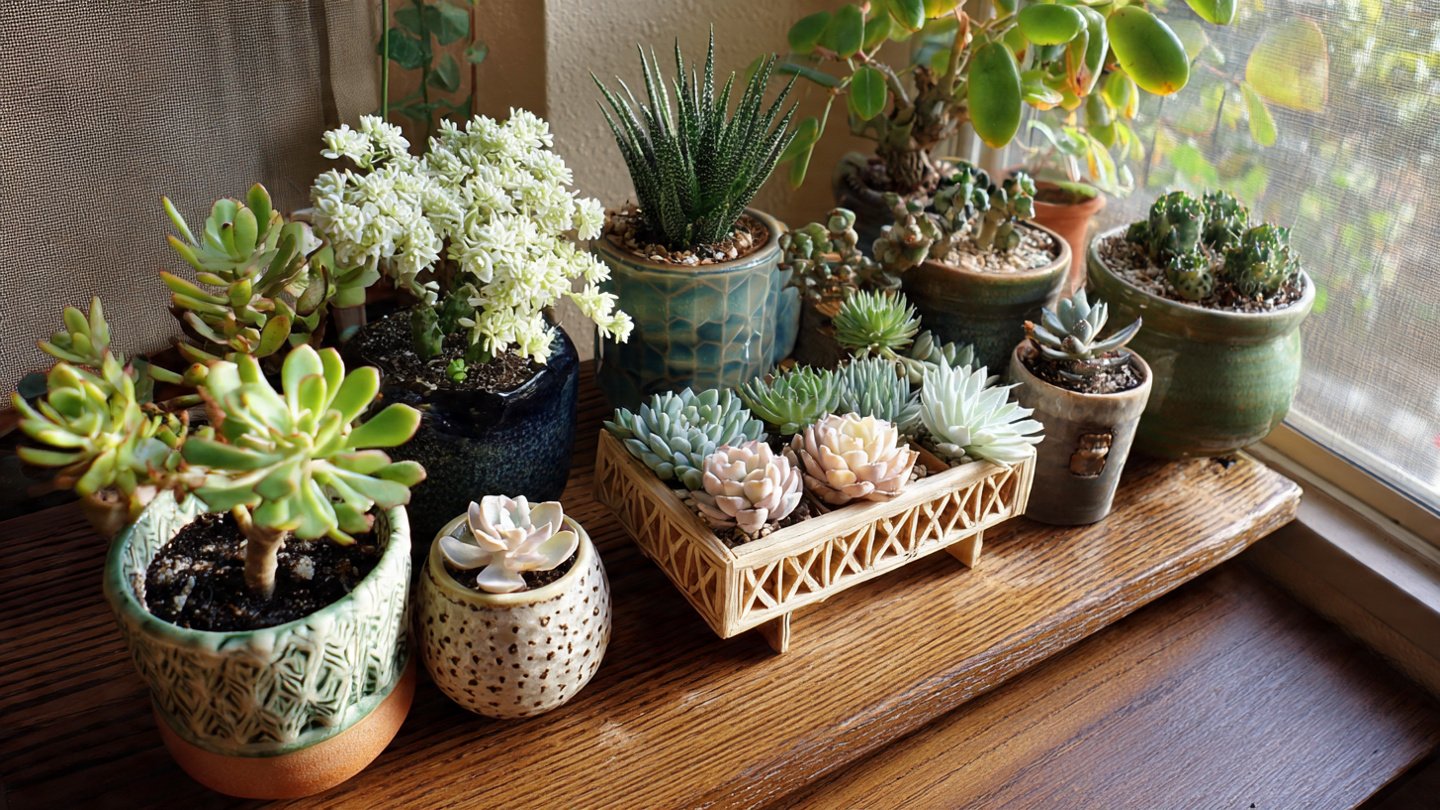
Indoor succulents have captured the hearts of plant enthusiasts worldwide. Their compact size, low maintenance needs, and striking aesthetic make them perfect companions for home and office spaces. However, many plant lovers want more than just to admire succulents—they want to propagate them, creating new plants from their favorites. Propagation is not only cost-effective but also incredibly rewarding, offering a chance to watch life sprout and grow from a small leaf or cutting. Successfully propagating indoor succulents requires patience, technique, and attention to detail. This guide will walk you through the best strategies to multiply your collection while ensuring healthy, thriving plants.
Understanding Succulent Propagation
Propagation is the process of creating new plants from a parent plant. Succulents are particularly well-suited for propagation due to their resilience and unique water-storing tissues. Common methods include:
- Leaf Cuttings: Many succulents can grow from a single healthy leaf. The leaf eventually forms roots and a tiny new rosette.
- Stem Cuttings: Plants like jade (Crassula ovata) and echeveria can be propagated by cutting a healthy stem and allowing it to root.
- Offsets or Pups: Some succulents naturally produce baby plants, or “pups,” at the base of the parent. These can be separated and planted individually.
- Seeds: Though less common for indoor gardeners due to longer growth periods, growing succulents from seeds is possible and rewarding for rare varieties.
Each method has its specific requirements, but all rely on creating a stress-free environment where roots can establish without excessive water or direct sunlight.
Step 1: Selecting Healthy Parent Plants
Successful propagation starts with selecting strong, healthy succulents. Look for:
- Vibrant, firm leaves without blemishes or signs of disease.
- No indications of pests such as mealybugs or aphids.
- Sturdy stems with no signs of rot or dryness.
Avoid propagating from stressed or unhealthy plants, as these are less likely to produce viable offspring.
Step 2: Leaf Propagation
Leaf propagation is among the simplest methods for beginners:
- Choose a Leaf: Gently twist a leaf from the stem, ensuring it comes off cleanly with no tears. Damaged leaves often fail to root.
- Callus Formation: Place the leaf in a dry, shaded area for several days to allow the cut end to form a callus. This prevents rot when planted.
- Planting: Once callused, lay the leaf on top of well-draining succulent soil. Do not bury it, as buried leaves can rot.
- Watering: Mist the soil lightly every few days. Avoid soaking the soil, as excess water encourages rot.
- Patience: Rooting may take a few weeks to months. New rosettes emerge from the base of the leaf, and eventually, the original leaf may shrivel as the new plant thrives.
Step 3: Stem Cuttings
For larger succulents or varieties that do not root easily from leaves, stem propagation is effective:
- Cutting the Stem: Use a clean, sharp knife to cut a stem section with a few leaves attached.
- Callus the Cutting: Let the cutting sit in a dry area for several days to develop a protective callus.
- Planting: Insert the callused end into well-draining soil. A slight tilt helps support the plant until roots form.
- Light and Watering: Place the cutting in bright, indirect sunlight. Water sparingly until roots establish, usually within a few weeks.
Step 4: Separating Offsets
Some succulents naturally produce offsets, like hens-and-chicks (Sempervivum) or aloe species. To propagate from offsets:
- Identify the Pup: Look for small rosettes or shoots growing near the base of the parent plant.
- Separate Carefully: Gently pull the pup away, ensuring some roots are attached if possible.
- Planting: Place the pup in a separate pot with well-draining succulent soil.
- Care: Treat the pup like a new plant—provide indirect light, minimal water, and patience until it establishes.
Step 5: Proper Soil and Containers
Succulent propagation requires soil that drains quickly to prevent waterlogged roots. Use a commercial cactus and succulent mix or make your own blend of potting soil, coarse sand, and perlite. Choose shallow containers with drainage holes to allow excess water to escape. Avoid deep pots initially, as newly propagated plants have small root systems that do not need extensive soil.
Step 6: Watering and Light
One of the most common mistakes in succulent propagation is overwatering. Remember: succulents are adapted to store water.
- Watering: Mist soil lightly or water sparingly. Roots develop slowly, and too much moisture can cause rot.
- Light: Provide bright, indirect sunlight. Direct sunlight can scorch tender new leaves or cuttings. Gradually acclimate plants to more sun once established.
Step 7: Patience and Monitoring
Propagation is a slow process. Depending on the species, roots may take weeks or even months to grow. During this time:
- Monitor for mold, rot, or pests. Remove affected leaves immediately.
- Avoid disturbing the plant unnecessarily, as movement can damage fragile roots.
- Rotate pots periodically for even light exposure.
Keeping a small garden journal or notes about your propagation efforts can help track growth, timing, and outcomes for future success.
Common Challenges and How to Overcome Them
- Rotting Cuttings or Leaves: Usually caused by overwatering or planting before the callus forms. Solution: allow callus formation and use well-draining soil.
- Slow or No Root Growth: Could be due to insufficient light or temperature stress. Move the plant to a warmer area with bright indirect sunlight.
- Pest Infestation: Mealybugs and aphids can attack new plants. Use gentle, insecticidal soap or remove pests manually.
Benefits of Propagating Your Own Succulents
Propagating succulents has many advantages:
- Cost-Effective: Expand your collection without purchasing new plants.
- Gift Opportunities: Share cuttings or small plants with friends and family.
- Educational Experience: Learn about plant biology and the unique growth habits of succulents.
- Sustainable Gardening: Reduce reliance on commercially grown plants, many of which are transported long distances.
Conclusion
Successfully propagating indoor succulents is a gratifying blend of patience, technique, and care. Whether using leaf cuttings, stem sections, or offsets, the key is to provide the right environment—well-draining soil, indirect light, and minimal water—while allowing time for roots and new growth to establish. By mastering propagation, plant enthusiasts can expand their collections, preserve favorite varieties, and enjoy the excitement of nurturing tiny plants into thriving, resilient succulents.
With attention, patience, and proper technique, indoor succulent propagation is not only achievable but deeply rewarding—a perfect combination of art, science, and home gardening enjoyment.