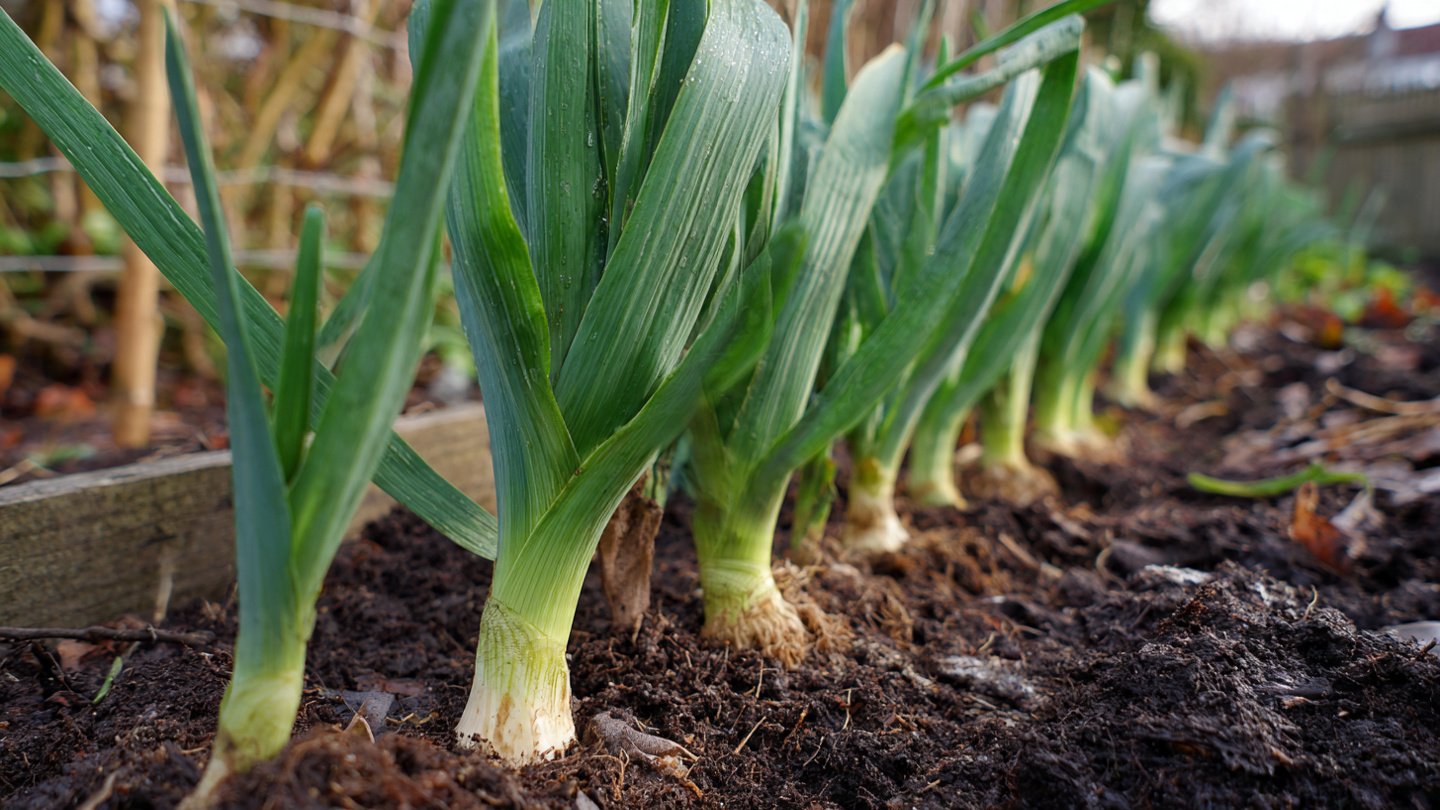
Leeks are one of the most versatile and rewarding vegetables to grow in a home garden, especially during the winter months. Their mild onion-like flavor enhances soups, stews, and many cooked dishes, and they store well for long periods when grown properly. Yet, achieving a perfect winter leek harvest can be challenging for many gardeners. From soil preparation to planting and proper care, several factors influence the size, flavor, and quality of leeks. This guide will walk you through the essential steps to grow winter leeks that are straight, healthy, and flavorful.
Understanding Winter Leeks
Winter leeks (Allium ampeloprasum var. porrum) are hardy biennial vegetables cultivated for their thick edible stalks. Unlike onions, leeks grow in tight, cylindrical bundles of leaves above a long white stem, which is the prized edible part. Winter leek varieties are specifically bred to withstand frost and cold temperatures, making them ideal for late-season harvests.
Key characteristics of successful winter leeks include:
- Straight, long white stems for easy cooking and presentation.
- Firm, dense texture without any splitting or hollow centers.
- Mild flavor with no bitterness, even after exposure to cold weather.
By understanding these qualities, you can focus your gardening practices to achieve the best results.
Choosing the Right Variety
Selecting the right leek variety is crucial for a winter harvest. Some varieties perform better in colder climates, while others are more suited for mild winters. Popular winter leek varieties include:
- ‘Musselburgh’ – Classic winter leek, robust and frost-tolerant.
- ‘Carentan’ – Fast-growing and ideal for short seasons.
- ‘King Richard’ – Produces long, uniform stems perfect for markets.
Choosing a variety adapted to your climate ensures strong growth and a reliable harvest.
Soil Preparation for Winter Leeks
Leeks require fertile, well-drained soil with plenty of organic matter. A rich soil foundation helps support long, straight stems and healthy leaf growth. Key steps in soil preparation include:
- Loosen the soil: Deep digging or double-digging to a depth of 12–15 inches allows the leek roots to penetrate easily.
- Add organic matter: Compost or well-rotted manure enriches the soil, providing nutrients that support winter growth.
- Check pH: Leeks thrive in slightly acidic to neutral soil, ideally between 6.0–7.0. Adjust the soil with lime or sulfur if necessary.
- Ensure good drainage: Avoid waterlogged soil to prevent root rot and disease.
Proper soil preparation sets the stage for strong, healthy leeks that are resistant to common problems such as splitting or stunted growth.
Planting Winter Leeks
Timing is critical when planting winter leeks. They are usually started from seed in late winter or early spring, then transplanted into the garden during late summer or early autumn. Follow these steps:
- Start seeds indoors: Sow seeds in trays or seedbeds 8–10 weeks before transplanting. Keep them in a warm environment with consistent moisture.
- Harden seedlings: Gradually expose young plants to outdoor conditions over 1–2 weeks before transplanting.
- Transplant carefully: Space leeks 6–8 inches apart in rows 12–18 inches apart. Plant them deep enough to encourage long white stems.
- Use trenches or “earthing up”: Planting leeks in shallow trenches allows you to mound soil around the stems as they grow, producing blanched, tender white stalks.
By following these steps, you ensure that your winter leeks develop properly, avoiding short or bent stems.
Watering and Fertilization
Consistent watering is essential for winter leeks. Uneven moisture can cause splitting or tough, fibrous stems. Use the following approach:
- Keep soil evenly moist: Water deeply once or twice a week, depending on rainfall.
- Avoid overwatering: Too much water can lead to root rot and disease.
- Fertilize regularly: Apply a balanced fertilizer high in nitrogen every 4–6 weeks to promote leafy growth. Organic options, such as fish emulsion or compost tea, work well for home gardens.
Balanced fertilization and careful watering encourage steady growth, resulting in thick, uniform leeks.
Pest and Disease Management
Winter leeks are generally hardy, but they are still susceptible to some pests and diseases. Common problems include:
- Leek moth: Larvae feed on leaves and stems, creating tunnels. Use row covers and inspect plants regularly.
- Onion fly: Eggs laid at the base of the plant hatch into maggots that damage roots. Crop rotation and companion planting can help reduce infestations.
- Rust and mildew: Fungal diseases thrive in damp conditions. Ensure proper spacing and airflow to prevent outbreaks.
Preventive care and early intervention are key to maintaining healthy leeks throughout the winter.
Pruning and Maintenance
Unlike some vegetables, leeks do not require heavy pruning. However, light maintenance can improve growth:
- Remove damaged or yellowing leaves: This prevents disease and improves airflow.
- Hill soil around stems: “Earthing up” encourages longer white stems and prevents exposure to cold temperatures.
- Mulch for protection: A layer of straw or leaves protects the roots from frost and conserves moisture.
Regular maintenance ensures your leeks remain healthy and productive until harvest.
Harvesting Winter Leeks
Winter leeks are typically ready to harvest from late autumn through early spring, depending on the variety and climate. Key tips include:
- Check size: Stems should be at least 1 inch in diameter, though larger varieties can grow thicker.
- Harvest gradually: Pull only what you need to extend the harvest period.
- Handle carefully: Avoid bruising or bending stems, as this reduces storage life.
Leeks can be left in the ground for several weeks if needed, as long as they are protected with mulch and not exposed to prolonged freezing conditions.
Storing Winter Leeks
Proper storage allows you to enjoy winter leeks long after harvest:
- In-ground storage: Keep mulch over the roots to prevent freezing; pull as needed.
- Refrigeration: Wrap in a damp towel and store in the fridge for 1–2 weeks.
- Freezing: Blanch stems briefly before freezing for long-term storage.
By following these steps, your home-grown winter leeks can be enjoyed in a variety of dishes throughout the season.
Conclusion
Growing perfect winter leeks is entirely achievable with the right preparation, care, and attention to detail. By choosing a suitable variety, preparing fertile soil, planting correctly, and maintaining consistent watering and fertilization, you can harvest straight, tender, flavorful leeks even in the coldest months. Regular maintenance, pest management, and proper storage ensure that your leeks remain in excellent condition from garden to kitchen.
Winter leeks are not only rewarding to grow but also add a touch of freshness and nutrition to your meals during the colder months. With patience and the right techniques, anyone can cultivate a bountiful winter leek harvest that rivals professional growers. Start implementing these tips today and enjoy a successful and satisfying winter leek season in your garden.