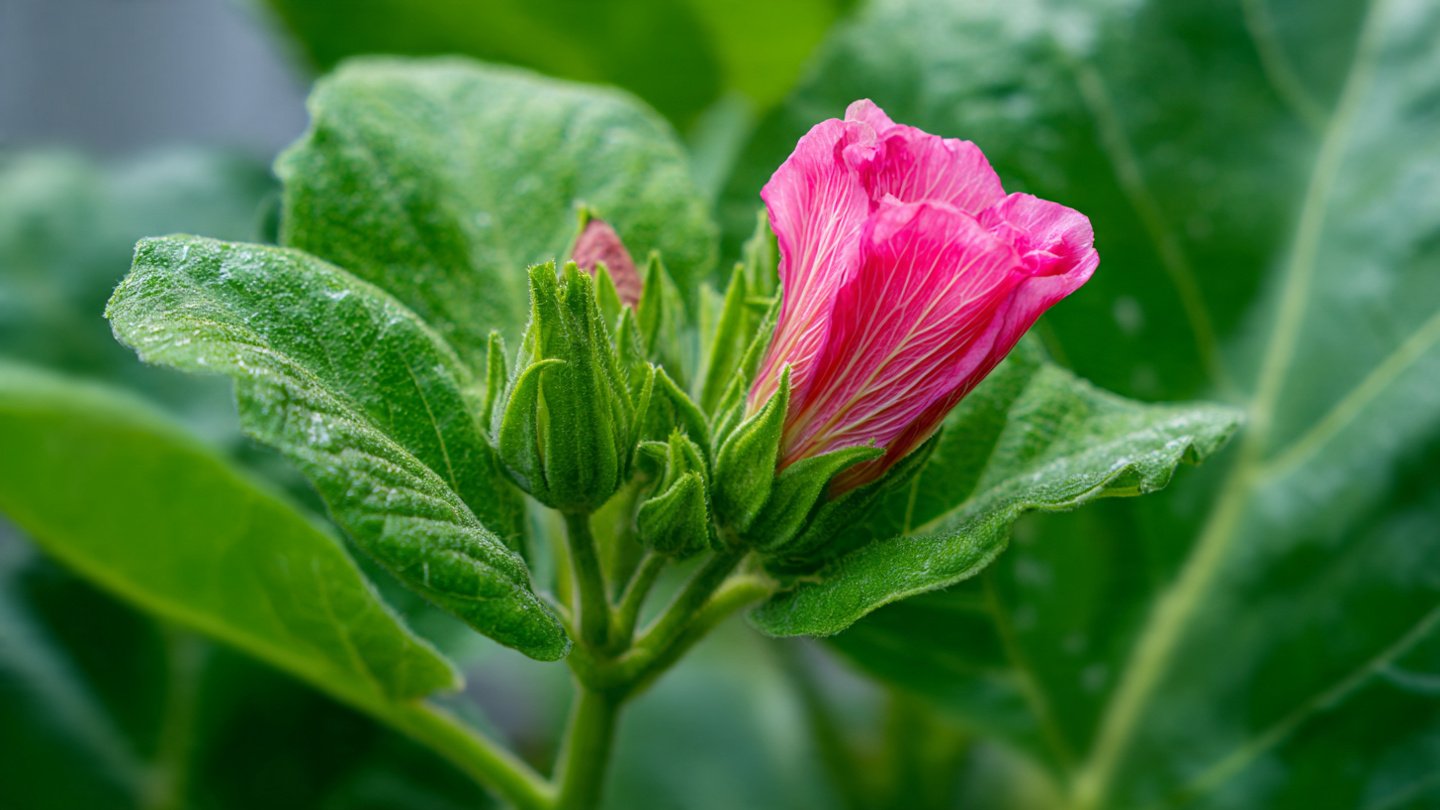
Gardening is full of small techniques that yield big results, and one of the most overlooked yet transformative practices is pinching back flower leaves. While it may seem counterintuitive to remove parts of your plant, this simple act can dramatically improve growth, flowering, and the overall health of your garden. Many gardeners and horticulturists swear by it, but understanding the “why” behind this technique can make your flower beds thrive like never before. Let’s explore the secrets and surprising benefits of pinching back your flower leaves.
1. What Does Pinching Back Mean?
Pinching back is the practice of removing the tips of stems, buds, or leaves to encourage a fuller, bushier plant. This technique is most commonly applied to flowering plants like petunias, marigolds, geraniums, and zinnias, though it’s useful for many ornamental and indoor plants.
When you pinch back, you’re not harming the plant—rather, you’re redirecting its energy. Instead of focusing growth on a single upward stem, the plant sends energy to side shoots, promoting denser foliage and more abundant blooms.
2. Boosts Flower Production
One of the most immediate benefits of pinching back is increased flowering. By removing old or overgrown tips, you encourage the plant to produce multiple new growth points. This often translates to:
- More blooms: Each new branch can develop its own flowers.
- Longer flowering periods: Repeated pinching encourages continuous growth and reduces early decline.
- Enhanced symmetry: Plants develop a balanced shape, improving visual appeal.
For gardeners aiming to create vibrant, colorful displays, pinching back is a secret weapon for maximizing bloom output.
3. Promotes Bushier Growth
Pinching back prevents plants from becoming “leggy,” a common problem when stems grow too long without side branches. Leggy plants may appear weak and sparse, making them less attractive and more susceptible to damage from wind or pests.
By pinching the tips:
- Plants produce lateral shoots.
- Foliage becomes denser and healthier.
- Stems strengthen due to distributed growth.
Bushier growth not only looks better but also improves the plant’s resilience and long-term vitality.
4. Enhances Overall Plant Health
Pinching back contributes to healthier plants in multiple ways:
- Improved air circulation: Dense, compact plants reduce the risk of fungal infections and pest infestations.
- Better light penetration: Removing excessive leaf tips allows sunlight to reach inner leaves, boosting photosynthesis.
- Balanced energy use: Plants focus energy on growth and blooms rather than maintaining excessively long stems.
Overall, pinching back is a preventive technique that reduces stress on the plant and creates a more balanced, robust garden.
5. Stimulates Root Development
While pinching occurs above ground, it indirectly affects root health. By reducing the demand on vertical growth, plants can allocate more resources to developing stronger, deeper roots. Stronger roots mean:
- Improved nutrient and water absorption.
- Greater resistance to drought or nutrient-poor soil.
- Enhanced plant stability, reducing the risk of tipping or breaking.
A well-rooted plant is a happy plant—and pinching back encourages roots to flourish alongside foliage.
6. Encourages Seasonal Renewal
Many annual and perennial flowers benefit from periodic pinching, especially after initial blooms. Pinching back spent growth stimulates:
- New growth cycles: Plants rejuvenate and produce a second round of blooms.
- Delayed senescence: By removing older tips, plants stay vibrant longer.
- Consistent garden appearance: Rejuvenated plants maintain a polished, well-tended look.
For gardeners who want continuous color throughout the season, this simple technique can be a game-changer.
7. Helps Control Plant Size and Shape
Pinching back is a natural way to prune without heavy shearing. Whether you’re growing in containers, hanging baskets, or garden beds, controlling plant size and shape is crucial.
Benefits include:
- Keeping plants compact and manageable.
- Shaping plants into attractive forms for design aesthetics.
- Preventing overcrowding in small spaces, which can lead to disease.
By regularly pinching tips, gardeners can guide the growth of their flowers to suit any space or design plan.
8. Improves Flower Color and Quality
Some gardeners notice that flowers from pinched plants appear brighter and more vibrant. This happens because:
- Energy is concentrated on fewer stems initially, allowing blooms to develop fully.
- Dense, healthy foliage supports stronger, more colorful petals.
- Plants remain healthier overall, reducing stress that can dull bloom intensity.
A simple pinch can make your flower colors pop, elevating the aesthetic appeal of your garden.
9. How to Pinch Back Properly
To achieve the best results, proper technique is essential:
- Identify the right tip: Choose soft, new growth at the end of stems. Avoid old, woody stems unless you’re rejuvenating a perennial.
- Use fingers or clean scissors: Pinching with your thumb and forefinger works for small plants, while scissors are better for tougher stems.
- Pinch above a leaf node: A leaf node is where leaves branch from the stem. Pinching just above it encourages new lateral growth.
- Don’t overdo it: Regular, moderate pinching is better than removing too many tips at once, which can stress the plant.
- Time it well: For annuals, start pinching after 3–4 weeks of growth. For perennials, follow seasonal cycles to stimulate blooms.
Following these steps ensures you reap the benefits without causing unnecessary stress.
10. Common Plants That Respond Well to Pinching
Pinching back is particularly effective for:
- Petunias
- Zinnias
- Marigolds
- Geraniums
- Impatiens
- Chrysanthemums
Many houseplants and herbs, such as basil and mint, also respond well to pinching, making it a versatile tool for both indoor and outdoor gardening.
Conclusion
Pinching back your flower leaves may seem like a small, almost counterintuitive act, but its benefits are substantial. From promoting bushier growth and increasing flower production to improving plant health and root development, pinching is a simple technique that every gardener should master. It allows for better control of plant size and shape, enhances bloom color and quality, and encourages seasonal renewal—all without expensive fertilizers or complex interventions.
Incorporating regular pinching into your gardening routine transforms ordinary plants into thriving, vibrant, and visually stunning specimens. By understanding the technique and timing it correctly, gardeners can unlock the full potential of their flowers and enjoy a lush, colorful garden throughout the season.
The next time you see a plant stretching upward or producing sparse flowers, consider the magic of a simple pinch—it might just be the secret to a garden that flourishes like never before.