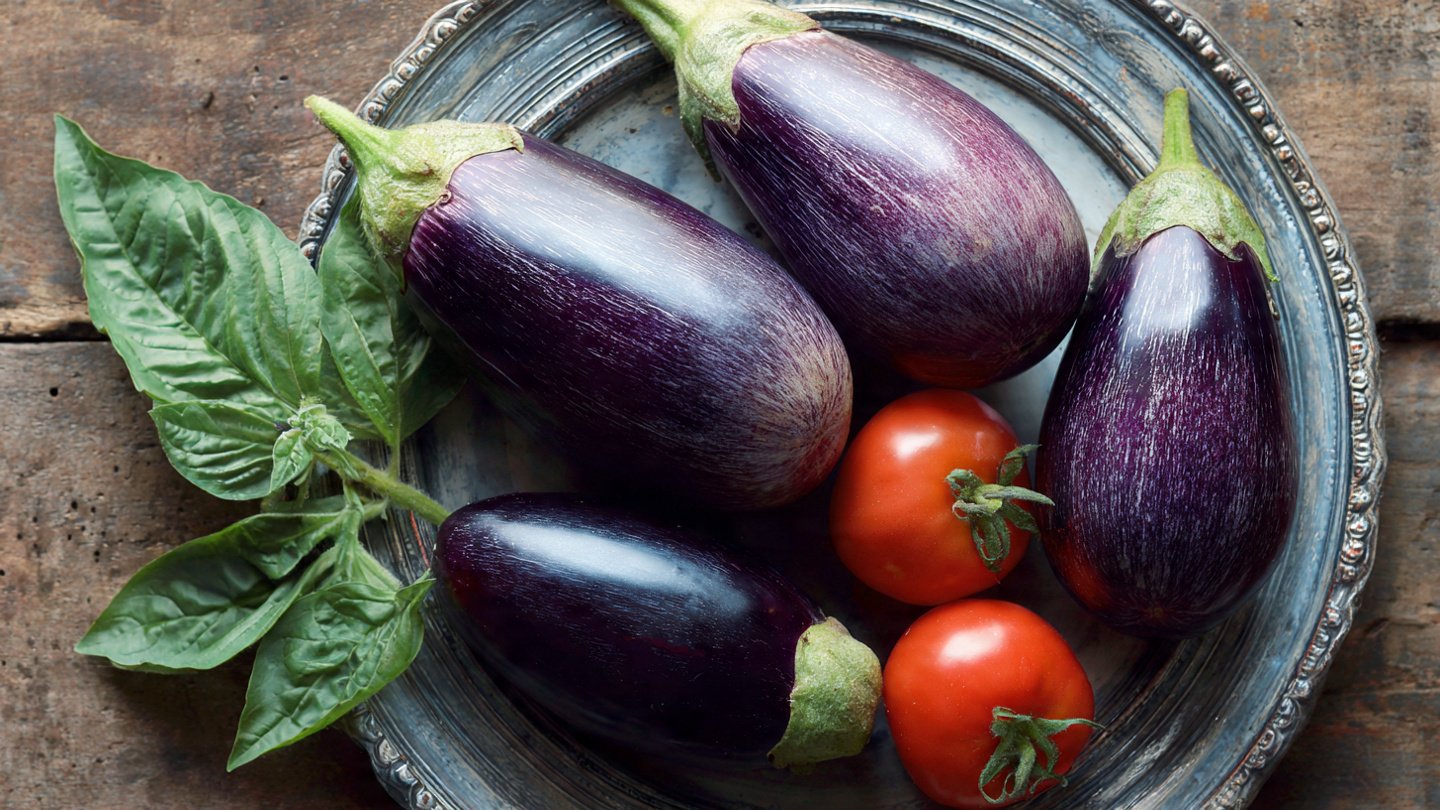
Eggplant Parmesan is a beloved classic that combines layers of tender eggplant, rich tomato sauce, and gooey melted cheese. While anyone can buy eggplant from the grocery store, there’s a growing consensus among home cooks: the secret to truly exceptional Veggie Parmesan lies in growing your own eggplant. Cultivating eggplant at home not only ensures freshness and superior flavor but also allows you to experiment with varieties that aren’t commonly found in stores. Let’s explore why homegrown eggplant can elevate your Veggie Parmesan and how you can grow, harvest, and prepare the perfect eggplants for this iconic dish.
Why Homegrown Eggplant Makes a Difference
The flavor of eggplant can vary widely depending on its freshness and origin. Store-bought eggplants may have traveled hundreds of miles and been stored for days or weeks, leading to a slightly bitter taste or spongy texture. In contrast, homegrown eggplants are harvested at their peak ripeness, delivering sweeter, firmer, and more flavorful flesh.
Growing your own eggplant also gives you control over the varieties you use. While grocery stores typically stock standard globe eggplants, home gardeners can cultivate unique types like Japanese eggplant (long and slender), Graffiti or Zebra eggplant (purple-striped), or even white eggplant. Each variety brings subtle differences in flavor, texture, and color, allowing you to tailor your Veggie Parmesan to your taste and presentation preferences.
Starting Your Eggplant Garden
Eggplants are warm-season vegetables, thriving in sunny conditions with well-drained, fertile soil. Here’s a step-by-step guide to growing your own eggplant for the ultimate Veggie Parmesan:
- Choose the Right Variety: For classic Veggie Parmesan, medium-sized globe eggplants are ideal because they produce uniform slices that cook evenly. For a more colorful presentation, try Japanese or Graffiti eggplants.
- Start Seeds Indoors: Eggplant seeds germinate best in a warm environment. Sow seeds 6–8 weeks before the last expected frost. Use seed trays or small pots with a lightweight potting mix. Keep soil consistently moist and warm (around 75–85°F) to encourage sprouting.
- Transplant Carefully: Once seedlings have grown 4–6 inches tall and nighttime temperatures are consistently above 50°F, transplant them into your garden or larger containers. Space plants at least 18–24 inches apart to allow for proper airflow and growth.
- Provide Sunlight and Support: Eggplants need at least 6–8 hours of full sun each day. Consider using stakes or cages to support the plants as they grow, preventing branches from breaking under the weight of the fruit.
- Fertilize and Water Regularly: Use a balanced vegetable fertilizer every 3–4 weeks. Keep soil consistently moist but not waterlogged, as eggplants prefer slightly damp conditions. Mulching around the base of the plants can help retain moisture and regulate soil temperature.
Harvesting for Optimal Flavor
Harvesting eggplant at the right time is crucial for achieving a perfect Veggie Parmesan. Overripe eggplants can be bitter and seedy, while underripe ones may be tough and lack flavor.
To harvest:
- Check the skin for glossiness. A ripe eggplant should have smooth, shiny skin. Dull skin indicates overripeness.
- Press gently on the flesh. It should be firm but slightly springy.
- Use a sharp knife or pruning shears to cut the fruit from the plant, leaving a short stem attached.
By harvesting at the peak of ripeness, you maximize sweetness, tenderness, and flavor intensity—qualities that shine through in your finished dish.
Preparing Eggplant for Veggie Parmesan
Once you’ve harvested fresh, homegrown eggplant, proper preparation is key to a tender, flavorful Veggie Parmesan. Here are some tips:
- Slice Evenly: Cut eggplant into uniform slices, about ½-inch thick, to ensure even cooking.
- Optional Salting: Some cooks recommend sprinkling eggplant slices with salt and letting them sit for 30 minutes to draw out excess moisture and reduce bitterness. Rinse and pat dry afterward.
- Breading and Baking: For a lighter, less greasy Veggie Parmesan, bread slices with seasoned breadcrumbs and bake instead of frying. Baking at 400°F for 20–25 minutes yields golden, crispy slices without excess oil.
- Layering the Dish: Alternate layers of baked eggplant, rich tomato sauce, and a combination of mozzarella, Parmesan, and ricotta cheeses. Finish with a generous sprinkle of fresh herbs like basil or oregano.
Flavor Benefits of Homegrown Eggplant
Using homegrown eggplant elevates Veggie Parmesan in several ways:
- Enhanced Sweetness: Freshly picked eggplants are naturally sweeter, which balances the acidity of tomato sauce.
- Firmer Texture: Homegrown eggplants maintain their structure during cooking, preventing soggy or mushy layers.
- More Complex Flavor: The natural flavors of homegrown eggplant are more pronounced, offering earthy, slightly nutty undertones that add depth to the dish.
These subtle differences can transform a standard Veggie Parmesan into a gourmet, restaurant-quality experience.
Beyond Flavor: The Joy of Home Gardening
Growing your own eggplant is rewarding in ways that go beyond taste. Gardening encourages mindfulness, reduces stress, and fosters a deeper connection to the food you consume. There’s a sense of pride and satisfaction in harvesting fresh vegetables and turning them into a beloved dish.
For families, involving children in planting, caring for, and harvesting eggplants can be educational and fun, instilling healthy eating habits and a love for fresh produce. Even urban gardeners with limited space can grow eggplants in containers on balconies or patios, proving that this secret ingredient is accessible to nearly everyone.
Conclusion: Is Homegrown Eggplant the Secret?
While Veggie Parmesan can certainly be made with store-bought eggplant, growing your own introduces freshness, flavor, and a personal touch that elevates the dish to a new level. The firm texture, enhanced sweetness, and complex flavor of homegrown eggplants make the layers of sauce and cheese truly shine.
Beyond taste, cultivating your own eggplants adds a sense of accomplishment and connection to your food. From seed to plate, the process of growing, harvesting, and preparing eggplants is a rewarding journey that can transform a simple recipe into a signature dish.
So, if you want the best Veggie Parmesan of your life, the answer may indeed lie in your garden. By planting, nurturing, and harvesting your own eggplants, you unlock flavors and textures that store-bought produce simply can’t match. Fresh, homegrown eggplant might just be the secret ingredient that takes your classic dish from good to unforgettable.