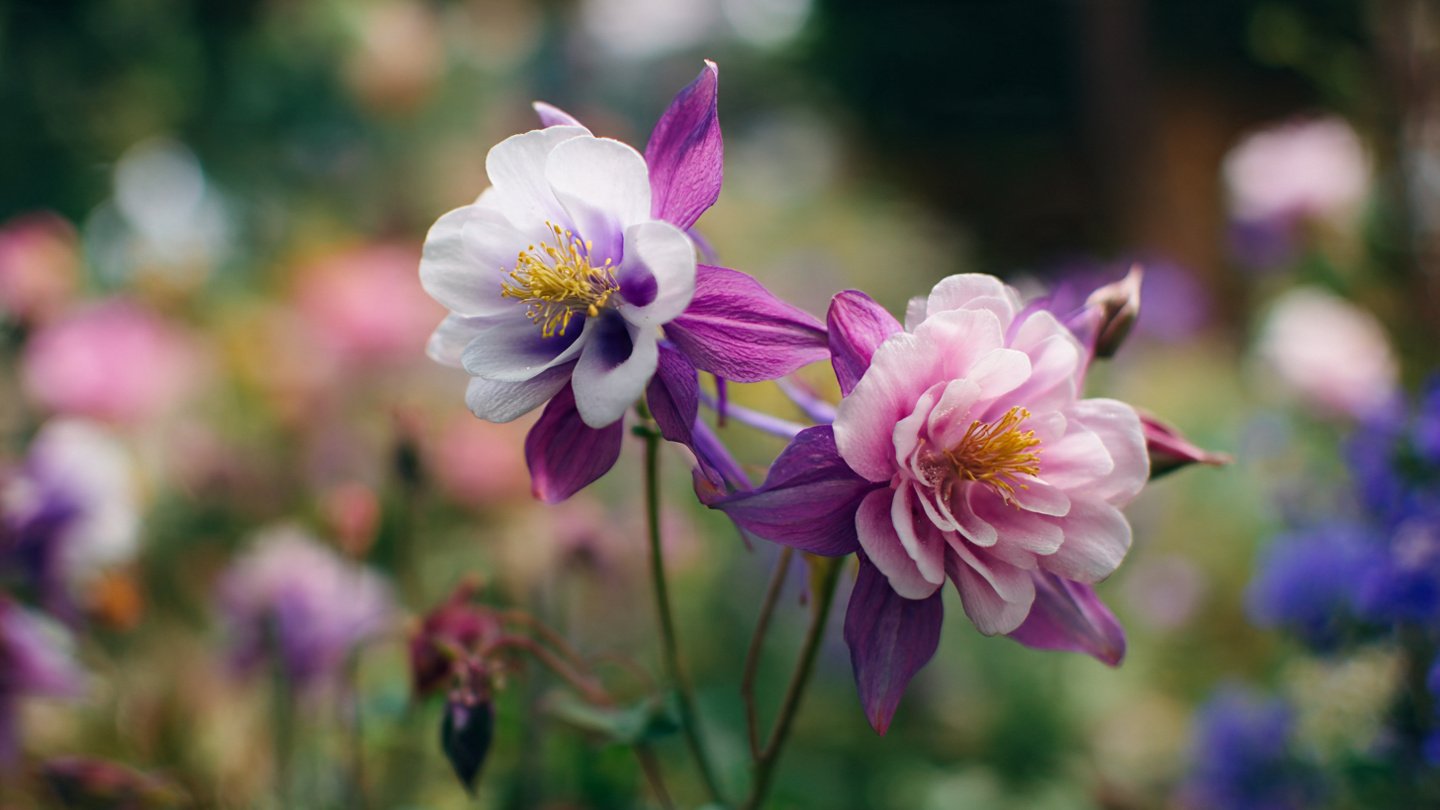
Gardening is more than planting flowers and watching them bloom—it’s about creating a balanced, thriving ecosystem. One often-overlooked strategy for enhancing garden biodiversity and sustainability is incorporating self-seeding flower species. Unlike traditional annuals, which need to be replanted each season, self-seeding plants naturally propagate themselves, offering long-term benefits to both gardeners and the environment. Understanding how these resilient flowers work and the impact they have on a garden’s ecosystem can help you design a vibrant, low-maintenance, and ecologically friendly landscape.
What Are Self-Seeding Flower Species?
Self-seeding flowers, also known as volunteer plants, are species that drop seeds at the end of their growing season, allowing new plants to grow naturally the following year without human intervention. Some common examples include:
- Calendula (Calendula officinalis) – Bright orange and yellow blooms that attract pollinators.
- Nigella (Love-in-a-Mist) – Delicate, blue flowers with ornamental seed pods.
- Cosmos (Cosmos bipinnatus) – Tall, daisy-like flowers that thrive in poor soil.
- Poppies (Papaver rhoeas) – Vibrant flowers that produce numerous seeds for the next season.
- Foxglove (Digitalis purpurea) – Biennials that self-seed for dramatic vertical color.
These flowers are valued not only for their beauty but also for their ability to sustain themselves and enrich the garden’s ecosystem over time.
Benefits of Self-Seeding Flowers
1. Low Maintenance and Cost-Effective Gardening
One of the most obvious advantages of self-seeding plants is their ability to grow back year after year without requiring replanting. This reduces the cost of purchasing new seeds or plants each season and minimizes the labor involved in maintaining your flower beds. Over time, the garden becomes more resilient, as self-seeding species establish a permanent presence and require less human intervention.
2. Promotes Biodiversity
Self-seeding flowers contribute to plant diversity, which is critical for a healthy garden ecosystem. A diverse garden provides:
- Habitat for beneficial insects: Bees, butterflies, and predatory insects thrive among a variety of flowers.
- Food sources for wildlife: Birds and small mammals feed on seeds, nectar, and foliage.
- Improved soil health: Different root structures and organic matter inputs help maintain nutrient-rich, aerated soil.
By cultivating a mix of self-seeding flowers, gardeners can support local wildlife and enhance ecosystem balance naturally.
3. Supports Pollinators
Pollinators are vital for both ornamental gardens and vegetable crops. Self-seeding flowers, which often bloom repeatedly and in abundance, provide nectar and pollen sources for bees, butterflies, and other beneficial insects throughout the growing season. This continuous supply helps sustain pollinator populations, which in turn improves the productivity of your garden’s fruits, vegetables, and other flowering plants.
4. Natural Weed Suppression
When self-seeding plants spread successfully, they can occupy open spaces that might otherwise be colonized by invasive weeds. Their dense growth helps shade the soil, limiting light for weed seeds and reducing competition for nutrients. While gardeners should still monitor the spread to prevent overcrowding, many self-seeding species act as natural weed suppressors.
5. Seasonal Continuity
Self-seeding flowers create a dynamic, evolving garden. As seeds germinate at different times, a variety of plants bloom sequentially, providing continuous color and ecological support throughout the growing season. This staggered blooming pattern enhances the aesthetic appeal of your garden while offering ongoing resources for pollinators and wildlife.
How Self-Seeding Flowers Transform Garden Ecosystems
Self-seeding flowers do more than beautify—they actively shape a garden’s ecological processes:
- Soil Enrichment: When plants complete their life cycle, decaying leaves and stems contribute organic matter to the soil, improving fertility and structure.
- Food Web Support: Self-seeding flowers produce seeds and attract insects, creating a sustainable food web for birds, small mammals, and beneficial predators.
- Habitat Connectivity: Dense patches of flowers provide shelter for insects and small wildlife, helping to connect fragmented habitats in urban or suburban areas.
- Resilience to Environmental Stress: Gardens with diverse, self-sustaining plants are more resilient to drought, pests, and diseases compared to monoculture or heavily managed flower beds.
Essentially, self-seeding flowers act as both architects and caretakers of a thriving, balanced garden ecosystem.
Best Practices for Growing Self-Seeding Flowers
To maximize the benefits of self-seeding species, gardeners should consider the following tips:
- Select Appropriate Species: Choose plants suited to your climate, soil type, and garden conditions to ensure successful self-seeding.
- Control Spread: While self-seeding is beneficial, some species may become invasive. Deadhead or thin plants selectively to prevent overcrowding.
- Prepare the Soil: Loosen soil and add compost to create ideal germination conditions. Many self-seeding flowers prefer well-drained, fertile soil.
- Allow Natural Cycles: Avoid over-mulching or excessive raking in fall; leaving seed heads intact ensures that seeds can disperse naturally.
- Mix Varieties: Plant a combination of annuals, biennials, and perennials to maintain continuous blooms and biodiversity.
Challenges and Considerations
While self-seeding flowers offer many ecological advantages, they do require careful management:
- Overcrowding: Some vigorous self-seeders can dominate a garden bed, suppressing other plants.
- Seed Viability: Not all seeds germinate each year; environmental factors like drought or frost can affect success rates.
- Unwanted Volunteers: Self-seeding can occasionally introduce plants in unintended areas, which may require monitoring.
By balancing encouragement and control, gardeners can enjoy the benefits of self-seeding flowers without letting them take over.
Conclusion
Self-seeding flowers are a transformative addition to any garden. Beyond their visual appeal, these plants actively contribute to ecological health by enhancing biodiversity, supporting pollinators, improving soil fertility, and creating a low-maintenance, self-sustaining landscape. With thoughtful selection and management, self-seeding species allow gardeners to foster a resilient, thriving ecosystem that benefits both plants and wildlife.
Incorporating self-seeding flowers is more than a gardening strategy—it’s a commitment to cultivating a living, evolving environment. By harnessing the natural regenerative power of these plants, you can enjoy a beautiful garden that works in harmony with nature, season after season.