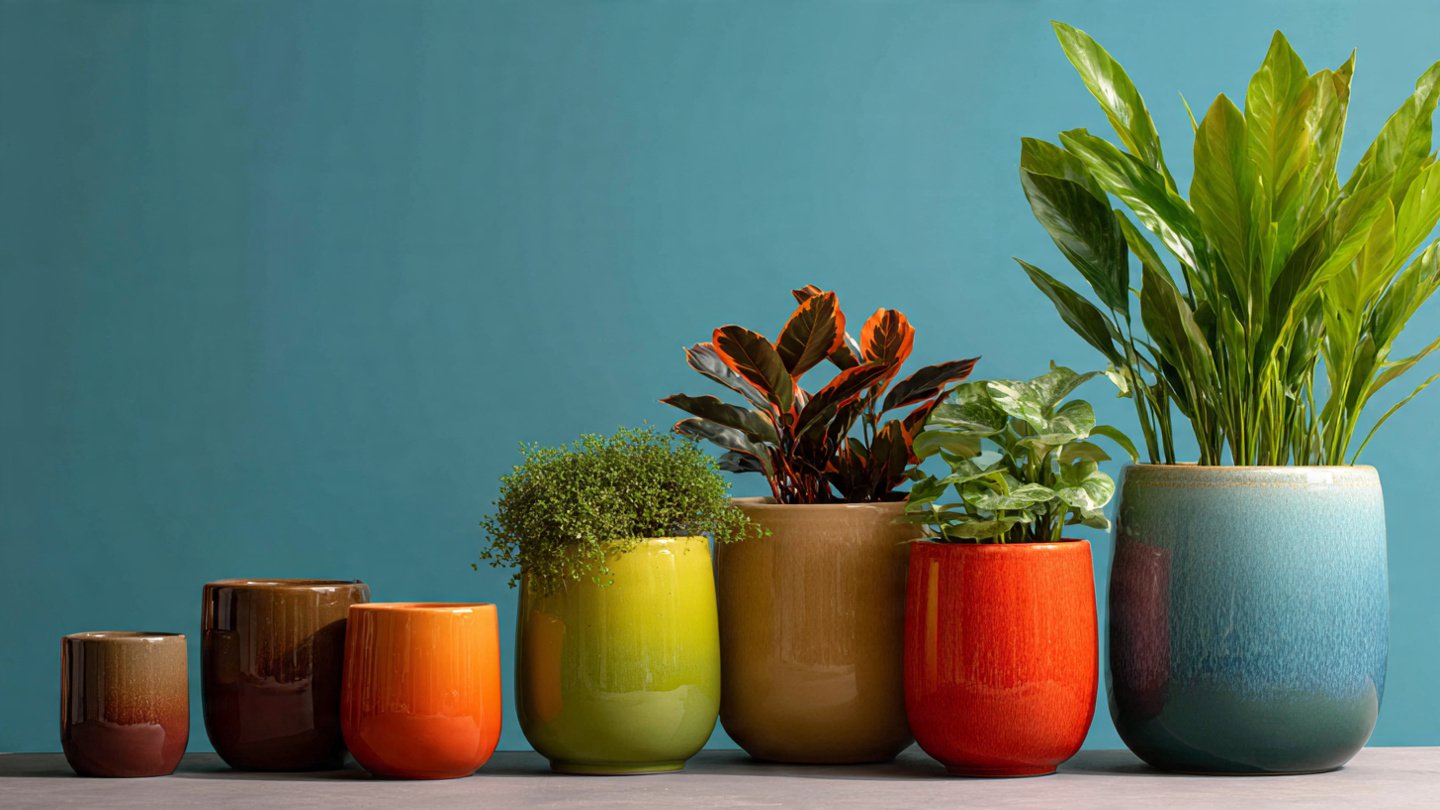
Color has the power to completely change how a space feels. When used thoughtfully, it can make small areas feel larger, dull corners feel vibrant, and ordinary décor feel intentional. One of the most striking yet surprisingly simple design techniques you can use in your home or garden is color blocking with plant pots.
Color blocking—pairing bold, contrasting colors in defined sections—has long been popular in fashion and interior design. Applied to plant pots, it becomes an accessible, playful way to elevate your space without repainting walls or investing in new furniture. Whether indoors or outdoors, color-blocked plant pots bring energy, structure, and personality to any setting.
What Is Color Blocking in Plant Styling?
Color blocking involves grouping or pairing solid colors—often bold or contrasting—so each shade stands out clearly. With plant pots, this means using pots in distinct colors rather than patterns or gradients.
Instead of blending in, color-blocked pots:
- Create visual rhythm
- Highlight plant shapes
- Add intentional design structure
The plants provide organic softness, while the pots deliver strong visual impact.
Why Color-Blocked Plant Pots Work So Well
Plant pots are ideal for color blocking because they are:
- Movable
- Affordable
- Easy to swap or repaint
Unlike walls or large furniture, pots allow you to experiment without commitment. A simple change in pot color can refresh a space instantly.
Color blocking with pots also:
- Draws attention to plant displays
- Defines zones in open spaces
- Adds depth without clutter
It’s a low-risk, high-impact design strategy.
Start with a Limited Color Palette
The key to successful color blocking is restraint. Choose two to four colors that work well together.
Popular combinations include:
- White + black + one bold color
- Earth tones with a single bright accent
- Pastels paired with neutral grays
- Complementary colors like blue and orange
Keeping the palette tight prevents visual chaos and makes your plant display feel curated rather than random.
Create Visual Zones with Color
Color-blocked plant pots are excellent tools for defining areas within a space.
Indoors, use color to:
- Separate work and relaxation zones
- Highlight reading corners
- Frame entryways or windows
Outdoors, pots can:
- Define patio seating areas
- Guide walkways
- Mark transitions between garden sections
By repeating the same pot colors within a zone, you create cohesion without physical barriers.
Use Plant Size and Shape to Enhance Contrast
Color blocking works best when paired with thoughtful plant selection. Combine bold pot colors with plants that contrast in form and texture.
For example:
- Tall, spiky plants in solid dark pots
- Soft trailing plants in bright or pastel pots
- Large-leaf plants in neutral containers
This contrast between plant shape and pot color makes each element stand out more clearly and strengthens the overall design.
Go Bold with Monochrome Blocks
Monochrome color blocking—using different shades of the same color—creates a sophisticated, modern look.
Examples include:
- Various blues from navy to sky
- Shades of green paired with foliage-heavy plants
- Warm terracotta tones layered together
This approach feels calm and cohesive while still offering visual interest through variation in shade and plant texture.
Balance Bright Colors with Neutrals
If you love bold colors but worry about overwhelming your space, neutral pots can act as visual “breathing room.”
Use neutrals to:
- Frame bright groupings
- Anchor vivid colors
- Prevent visual overload
For instance, a cluster of bright yellow and coral pots looks more refined when surrounded by white or gray containers.
Stack, Line, or Cluster for Impact
How you arrange your color-blocked pots matters as much as the colors themselves.
Try:
- Linear arrangements for a clean, modern feel
- Clusters of odd numbers for a relaxed, organic look
- Vertical stacking using shelves or plant stands
Repeating colors at different heights strengthens the color-blocking effect and draws the eye upward.
Use Color Blocking to Highlight Architectural Features
Plant pots can accent architectural elements when used intentionally.
Place bold-colored pots:
- Along staircases
- Beside columns
- Near doors or windows
This technique draws attention to structural lines and enhances symmetry without permanent changes.
Seasonal Color Blocking for Easy Refreshes
One of the biggest advantages of color blocking with pots is how easily it adapts to the seasons.
You can:
- Use warm tones in autumn
- Switch to fresh pastels in spring
- Embrace bold brights in summer
- Stick with neutrals in winter
Simply rotating or repainting pots allows you to refresh your space without replacing plants.
DIY Painted Pots for Personal Expression
Painting plant pots is an affordable way to experiment with color blocking.
Tips for DIY success:
- Use solid matte or satin finishes
- Stick to clean color edges
- Seal pots properly for outdoor use
Hand-painted pots let you tailor colors exactly to your space while adding a personal, creative touch.
Common Mistakes to Avoid
To keep your color-blocked design polished, avoid:
- Using too many colors at once
- Mixing strong patterns with bold blocks
- Ignoring balance and spacing
Remember, color blocking is about clarity and contrast—not chaos.
Why Color-Blocked Pots Elevate Everyday Spaces
Color-blocked plant pots transform plants from background décor into focal points. They encourage intentional styling, enhance plant beauty, and bring design confidence into everyday spaces.
Best of all, this approach works in:
- Small apartments
- Large gardens
- Minimalist homes
- Eclectic interiors
No matter your style, color blocking offers flexibility and creative freedom.
Conclusion
Color blocking with plant pots is a powerful way to refresh your space without major renovations. By combining thoughtful color choices with strategic placement and plant selection, you can turn ordinary greenery into bold design statements.
Whether you prefer soft, calming tones or vibrant, energetic hues, color-blocked pots allow your personality to shine through your plants. With a little experimentation and balance, your space can feel more intentional, expressive, and alive—one pot at a time.