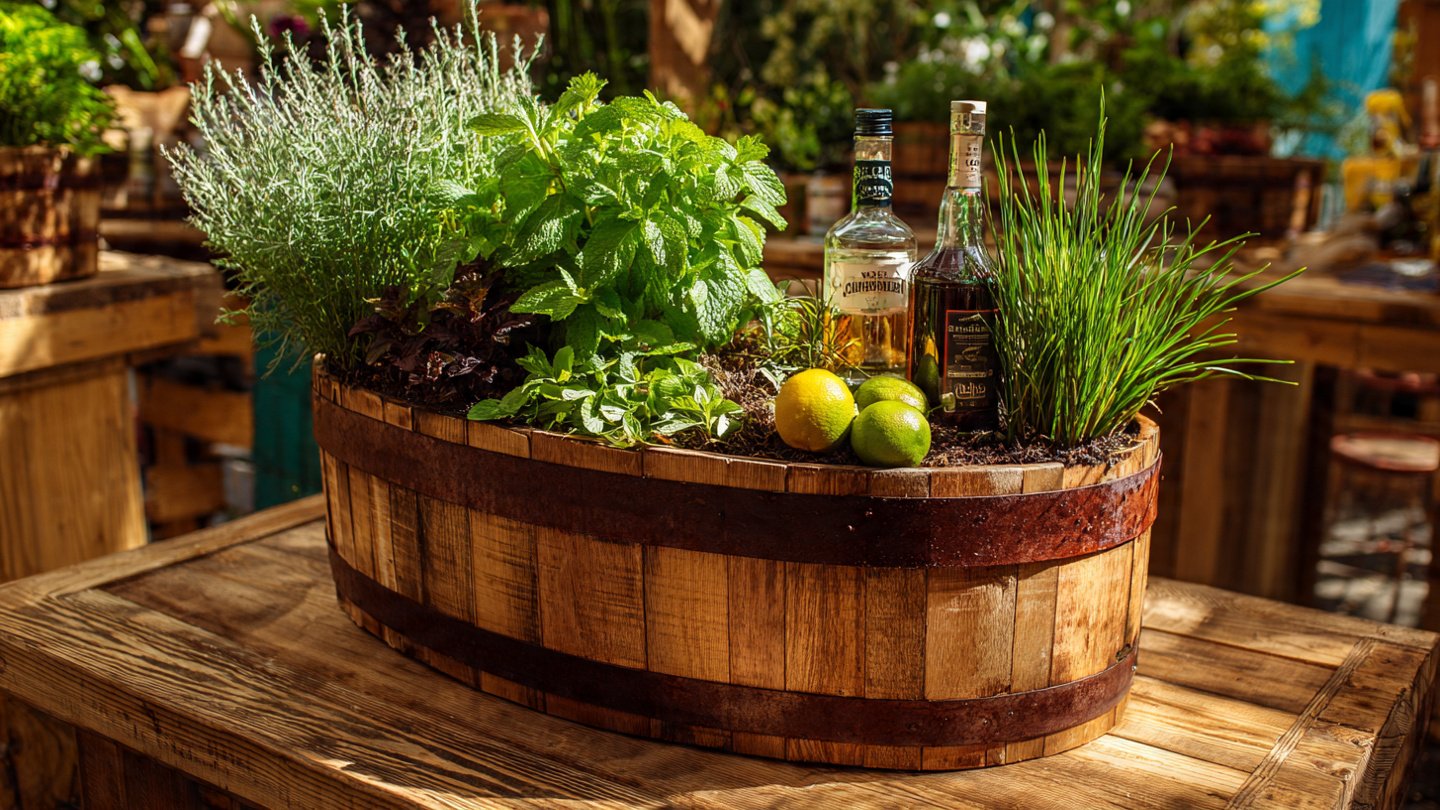
A cocktail garden is a delightful blend of gardening and mixology—fresh herbs, edible flowers, and fragrant plants grown specifically for crafting drinks. If space is limited, a single cedar barrel offers the perfect solution. Compact yet spacious, naturally rot-resistant, and visually appealing, a cedar barrel allows you to grow everything you need for refreshing cocktails in one attractive container. With the right planning and care, you can turn a single barrel into a productive and beautiful cocktail garden.
Why Choose a Cedar Barrel?
Cedar barrels are ideal for container gardening. Cedar wood naturally resists rot and pests, making it long-lasting even when exposed to moisture. The thick sides help insulate roots from extreme temperatures, keeping plants healthier throughout the growing season.
A barrel also provides generous depth for root growth while maintaining a small footprint. This makes it perfect for patios, balconies, decks, or small outdoor spaces where traditional garden beds aren’t practical. Beyond function, a cedar barrel adds rustic charm and can double as a decorative focal point.
Step 1: Decide What You Want to Grow
Before planting, think about the cocktails you enjoy most. The goal is to grow plants you’ll actually use. Common cocktail garden favorites include:
- Mint – Essential for mojitos and juleps
- Basil – Adds depth to gin- or vodka-based drinks
- Rosemary – Great for infused syrups and smoky garnishes
- Thyme – Subtle and aromatic
- Lavender – Floral notes for syrups and garnishes
- Lemon balm – Bright citrus flavor
- Edible flowers – Such as pansies or calendula for decoration
Choose a mix of trailing, upright, and bushy plants to maximize space and visual interest.
Step 2: Prepare the Barrel for Planting
Good drainage is critical in container gardening. If your cedar barrel doesn’t already have drainage holes, drill several holes in the bottom. This prevents water from pooling and causing root rot.
Place a layer of coarse material—such as small stones or broken clay pots—at the bottom to improve drainage. Then fill the barrel with high-quality potting mix blended with compost. Avoid garden soil, which can compact and drain poorly in containers.
Leave a few inches of space at the top to make watering easier and reduce overflow.
Step 3: Plan the Layout Strategically
Designing your planting layout before placing plants in the soil helps avoid overcrowding. Think in layers:
- Center: Place taller herbs like rosemary or basil in the middle. These act as the visual anchor and won’t shade smaller plants.
- Mid-layer: Surround the center with medium-height herbs such as thyme, lemon balm, or lavender.
- Edges: Plant trailing herbs like mint or oregano around the rim so they can cascade over the sides.
This tiered approach ensures all plants receive adequate sunlight and airflow while creating an attractive, balanced look.
Step 4: Plant Carefully and Thoughtfully
Once your layout is planned, gently remove plants from their containers and loosen the roots. Plant at the same depth they were growing previously, firming the soil gently around each plant.
Be mindful of spacing—crowded plants compete for nutrients and are more prone to disease. It’s better to plant fewer herbs well than squeeze in too many.
After planting, water thoroughly to help settle the soil and eliminate air pockets.
Step 5: Position Your Barrel for Success
Most cocktail garden plants thrive in full sun. Place your cedar barrel where it will receive at least six hours of sunlight per day. Morning sun is ideal, as it dries dew quickly and reduces disease risk.
If you live in a very hot climate, a spot with light afternoon shade can help prevent heat stress, especially for tender herbs like basil and mint.
Step 6: Water and Feed Properly
Container gardens dry out faster than in-ground beds, so regular watering is essential. Check moisture levels daily during warm weather. Water deeply when the top inch of soil feels dry, allowing excess water to drain freely.
Feed your cocktail garden every few weeks with a balanced, organic liquid fertilizer or compost tea. Herbs generally prefer moderate feeding—too much fertilizer can reduce flavor intensity.
Step 7: Prune and Harvest Regularly
Frequent harvesting keeps herbs productive and prevents them from becoming woody or leggy. Snip stems just above a leaf node to encourage bushier growth.
Regular pruning also improves airflow, reducing the risk of pests and disease. The more you harvest, the more your plants will produce—making your cocktail garden both practical and abundant.
Step 8: Manage Growth and Compatibility
Some herbs, especially mint, grow aggressively. Keeping mint in a barrel helps contain it, but it may still try to dominate. Trim it frequently and ensure it doesn’t crowd out slower-growing plants.
Watch how plants interact over time and adjust as needed. Removing or replacing a plant mid-season is perfectly fine if it helps maintain balance.
Step 9: Add Decorative and Functional Touches
A cocktail garden should be as enjoyable to look at as it is to use. Add small plant labels, decorative stones, or a trellis for visual interest. You can even tuck in solar lights nearby to highlight the barrel during evening gatherings.
Placing the barrel close to an outdoor seating or entertaining area makes it easy to harvest herbs while mixing drinks, enhancing both convenience and ambiance.
Step 10: Prepare for Seasonal Changes
As temperatures drop, consider how you’ll protect your cocktail garden. In mild climates, herbs may continue growing year-round. In colder regions, you can move the barrel to a sheltered location or bring cuttings indoors.
Perennial herbs like rosemary and thyme may survive winter with protection, while tender annuals can be replanted in spring.
Conclusion
Creating a cocktail garden in a single cedar barrel is a rewarding way to combine gardening creativity with everyday enjoyment. With thoughtful plant selection, smart layout design, and regular care, one container can supply fresh flavors for countless drinks throughout the season.
Beyond practicality, a barrel cocktail garden adds beauty, fragrance, and personality to your outdoor space. It invites you to slow down, step outside, and enjoy the simple pleasure of harvesting fresh ingredients—one sprig at a time.