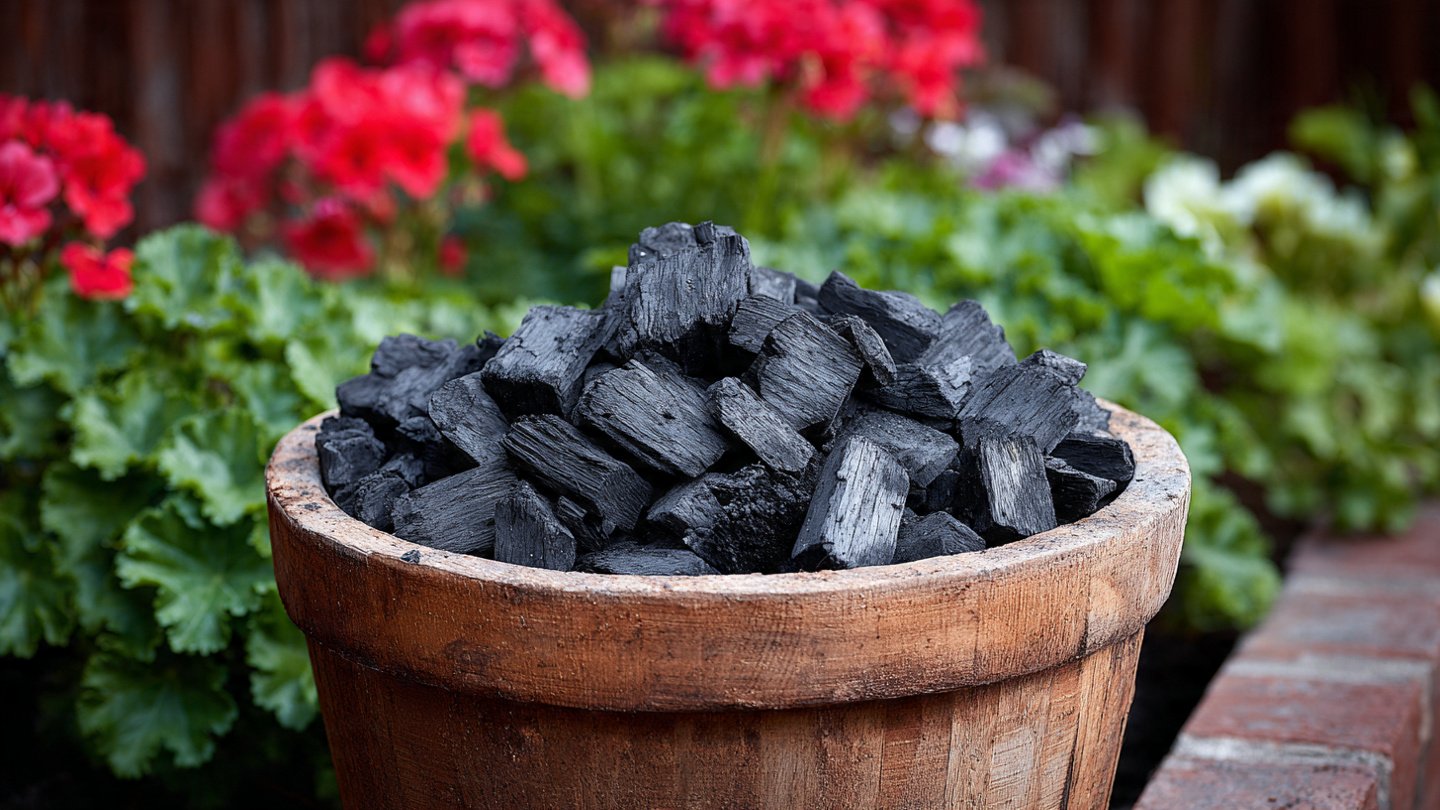
Healthy plants begin below the surface, and one often-overlooked ingredient can make a remarkable difference in container gardening: horticultural charcoal. Frequently confused with regular charcoal or activated charcoal, horticultural charcoal is a natural soil amendment designed specifically to improve growing conditions in planters. From preventing root rot to enhancing soil freshness, this simple addition can dramatically boost plant vitality.
Whether you grow houseplants, balcony vegetables, or decorative container gardens, understanding the benefits of horticultural charcoal can help you create cleaner, healthier, and more resilient planters.
What Is Horticultural Charcoal?
Horticultural charcoal is a coarse, porous form of charcoal produced from natural wood and processed for safe use in gardening. Unlike grilling charcoal, it contains no chemical additives, accelerants, or fillers. It is also different from activated charcoal, which is finely processed for filtration and medical uses.
In planters, horticultural charcoal acts as a soil conditioner that improves drainage, absorbs impurities, and supports a healthier root environment.
Why Planters Need Extra Protection
Plants grown in containers face challenges that garden-grown plants do not. Limited soil volume, restricted drainage, and frequent watering can lead to problems such as:
- Waterlogged soil
- Root rot
- Fungal growth
- Odor buildup
- Salt accumulation from fertilizers
Because excess moisture has nowhere to escape, container plants are more vulnerable to poor soil conditions. Horticultural charcoal helps counteract these issues naturally.
Improves Drainage Without Drying Out Soil
One of the biggest benefits of horticultural charcoal is its ability to improve drainage while still retaining essential moisture. Its porous structure allows excess water to flow through easily, preventing soggy soil at the bottom of pots.
At the same time, charcoal absorbs and slowly releases moisture, helping plants maintain consistent hydration. This balance is especially valuable for houseplants that dislike overly wet roots but still require evenly moist soil.
Helps Prevent Root Rot and Fungal Diseases
Root rot is one of the most common reasons container plants fail. It thrives in damp, oxygen-poor environments. Horticultural charcoal helps by:
- Increasing airflow in the soil
- Reducing excess moisture
- Absorbing harmful bacteria and fungi
By creating a cleaner, better-aerated root zone, charcoal significantly lowers the risk of root diseases.
Absorbs Toxins, Odors, and Impurities
Charcoal is well known for its absorbent properties. In planters, horticultural charcoal traps toxins, salts, and impurities that build up from fertilizers, tap water, and decomposing organic matter.
This absorption:
- Prevents chemical burn on roots
- Reduces unpleasant odors in indoor pots
- Keeps soil fresher for longer
This makes it especially useful for indoor plants and enclosed planters where air circulation is limited.
Keeps Soil Fresh for Longer Periods
Over time, soil in planters can become stale, compacted, and depleted. Horticultural charcoal helps extend the life of potting mix by maintaining better structure and cleanliness.
Gardeners who use charcoal often notice:
- Slower soil degradation
- Less frequent need for complete soil replacement
- Improved long-term plant performance
This is particularly helpful for large planters or decorative containers that are difficult to empty and refill regularly.
Supports Beneficial Microorganisms
Healthy soil is alive with beneficial microbes that help plants absorb nutrients. Horticultural charcoal provides tiny pockets where these microorganisms can thrive safely.
These microbes:
- Break down organic matter
- Improve nutrient availability
- Strengthen plant immunity
By supporting microbial life, charcoal contributes to a balanced soil ecosystem rather than just acting as a passive additive.
Ideal for Specific Types of Plants
Some plants benefit especially from the addition of horticultural charcoal:
- Houseplants – Improves drainage and reduces indoor odors
- Succulents and cacti – Prevents moisture retention around sensitive roots
- Orchids – Keeps bark mixes fresh and aerated
- Terrariums – Controls moisture and prevents mold growth
- Herbs – Helps avoid root diseases in compact containers
For terrariums, charcoal is often considered essential rather than optional.
How to Use Horticultural Charcoal Correctly
Using charcoal properly ensures maximum benefit without disrupting soil balance.
Layering Method
Place a thin layer of horticultural charcoal (½ to 1 inch) at the bottom of the planter before adding potting mix. This creates a drainage buffer.
Soil Mixing Method
Mix charcoal directly into potting soil at a ratio of about 1 part charcoal to 10 parts soil. This distributes benefits throughout the root zone.
Terrariums
Add a charcoal layer above drainage stones and below soil to control moisture and odors.
Always use charcoal labeled for horticultural or gardening use.
Common Mistakes to Avoid
- Using barbecue charcoal – It often contains harmful chemicals
- Overusing charcoal – Too much can reduce nutrient availability
- Skipping drainage holes – Charcoal helps but does not replace proper drainage
- Confusing with activated charcoal – Activated charcoal is too fine and costly for most planters
Moderation and proper placement are key.
Is Horticultural Charcoal Eco-Friendly?
Yes, when sourced responsibly. Many horticultural charcoals are made from renewable wood materials and can be reused by rinsing and drying between plantings. It is a natural, long-lasting amendment that reduces the need for chemical treatments and soil replacements.
Final Thoughts
Horticultural charcoal may be a small addition, but its impact on plant health is significant. By improving drainage, preventing disease, absorbing impurities, and supporting beneficial microbes, it creates a cleaner, healthier environment for roots to thrive.
Whether you’re caring for a single houseplant or managing multiple planters, incorporating horticultural charcoal is a simple, natural step toward stronger growth and fewer plant problems. Once you experience the difference it makes, it’s easy to see why many gardeners consider it an essential component in every planter.