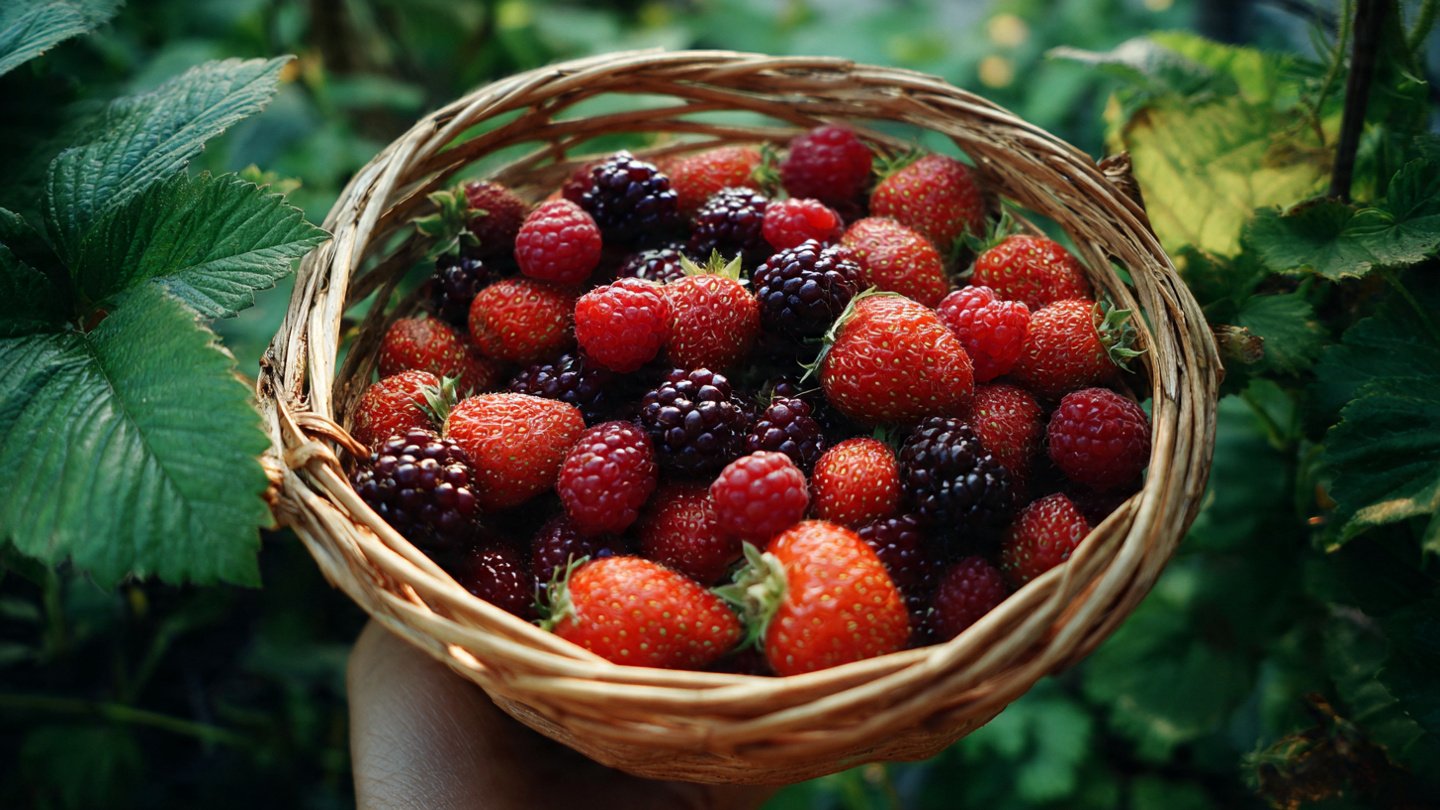
Harvest season is one of the most rewarding times in the garden. After months of watering, pruning, and waiting, your fruit trees and plants finally offer their bounty. Yet many gardeners overlook one simple tool that can make fruit picking easier, cleaner, and more enjoyable: the garden basket. If you’re still juggling plastic bags, buckets, or makeshift containers, it might be time to rethink your harvesting routine.
So, have you tried using a garden basket for picking fruit yet? If not, you may be missing out on one of gardening’s simplest upgrades.
What Is a Garden Basket?
A garden basket is a purpose-designed container made for harvesting fruits, vegetables, and herbs. Traditionally woven from materials like wicker or willow, modern garden baskets may also be made from metal wire, canvas, or durable plastic. Many feature sturdy handles, breathable sides, and ergonomic designs that allow fruit to rest safely without bruising.
Unlike ordinary containers, garden baskets are built with harvesting in mind—balancing weight, airflow, and ease of carrying.
Why a Garden Basket Makes Fruit Picking Easier
1. Protects Delicate Fruits
Soft fruits like peaches, plums, strawberries, and tomatoes bruise easily when piled into rigid buckets or plastic bags. A garden basket allows fruit to sit gently in layers, reducing pressure and damage. Breathable designs also prevent moisture buildup, which can lead to rot.
When fruit stays intact, it lasts longer and tastes better once it reaches your kitchen.
2. Improves Efficiency in the Garden
A well-designed garden basket lets you move smoothly from plant to plant without constant stops. Instead of filling small containers or running back and forth to unload, you can collect a generous harvest in one trip.
Many baskets are shaped to rest comfortably against the hip or hang from the arm, keeping both hands free for picking.
3. Encourages Mindful Harvesting
Using a basket naturally slows you down and makes you more selective. Rather than grabbing fruit quickly and carelessly, you tend to inspect ripeness, color, and firmness before placing it gently inside. This mindful approach improves harvest quality and reduces waste.
Garden Basket vs. Other Harvest Containers
You might wonder what truly sets a garden basket apart from everyday alternatives.
- Plastic bags trap heat and moisture, increasing spoilage and bruising.
- Buckets are often too deep, causing fruit at the bottom to be crushed.
- Cardboard boxes weaken with moisture and lack proper handles.
A garden basket is specifically designed to solve these issues, combining airflow, balance, and durability in one tool.
Different Types of Garden Baskets
Not all garden baskets are the same. Choosing the right one depends on your garden size and the type of fruit you grow.
Traditional Woven Baskets
These classic baskets are lightweight, breathable, and visually appealing. They work well for small to medium harvests and are ideal for home gardeners.
Wire Garden Baskets
Wire baskets offer excellent airflow and durability. They’re easy to clean and perfect for fruits that need good ventilation, such as apples or pears.
Canvas or Fabric Baskets
Often foldable and lightweight, fabric baskets are convenient for gardeners with limited storage space. Some include padded straps or waist belts for added comfort.
Harvest Apron Baskets
These wearable baskets strap around your waist or shoulders, allowing hands-free picking. They’re especially useful for berry bushes or grape vines.
How a Garden Basket Supports Fruit Quality
Freshly picked fruit continues to respire even after harvest. Proper airflow helps slow deterioration and preserves flavor. Garden baskets allow air to circulate naturally, preventing heat buildup and moisture accumulation.
Additionally, many baskets have shallow designs, preventing fruit from stacking too deeply. This means less pressure, fewer bruises, and a longer shelf life once fruit is stored.
Using a Garden Basket for Different Fruits
- Tree Fruits (Apples, Pears, Peaches): A medium-depth basket with strong handles works best. Pick gently and layer fruit carefully.
- Soft Fruits (Berries, Figs, Tomatoes): Choose a shallow or wide basket to prevent crushing.
- Citrus Fruits: Durable baskets with reinforced handles help manage heavier harvests.
- Grapes: Wearable or wide baskets make it easier to move between vines efficiently.
Tips for Getting the Most Out of Your Garden Basket
- Line the basket with a soft cloth for extra protection when harvesting delicate fruits.
- Avoid overfilling; it’s better to make two trips than risk damaging your harvest.
- Clean baskets regularly to prevent disease spread between plants.
- Keep a dedicated basket for fruit separate from vegetable harvesting if possible.
A Sustainable and Stylish Choice
Garden baskets are not only practical but also environmentally friendly. Unlike disposable bags or containers, a well-made basket can last for years. Natural materials like wicker or bamboo are biodegradable and align well with sustainable gardening practices.
There’s also something timeless and satisfying about carrying a basket filled with fresh fruit—it reconnects you with traditional harvesting methods and adds joy to the gardening experience.
Is a Garden Basket Worth It?
For most gardeners, the answer is yes. A garden basket is a small investment that delivers lasting benefits: healthier fruit, easier harvesting, and a more enjoyable gardening routine. Whether you grow fruit trees, berry bushes, or a small balcony garden, this simple tool can elevate your harvest from routine to rewarding.
Final Thoughts
If you haven’t tried using a garden basket for picking fruit yet, now might be the perfect time. It protects your harvest, improves efficiency, and brings a sense of calm and tradition to your gardening routine. Sometimes, the simplest tools make the biggest difference—and a garden basket is a perfect example of that truth.