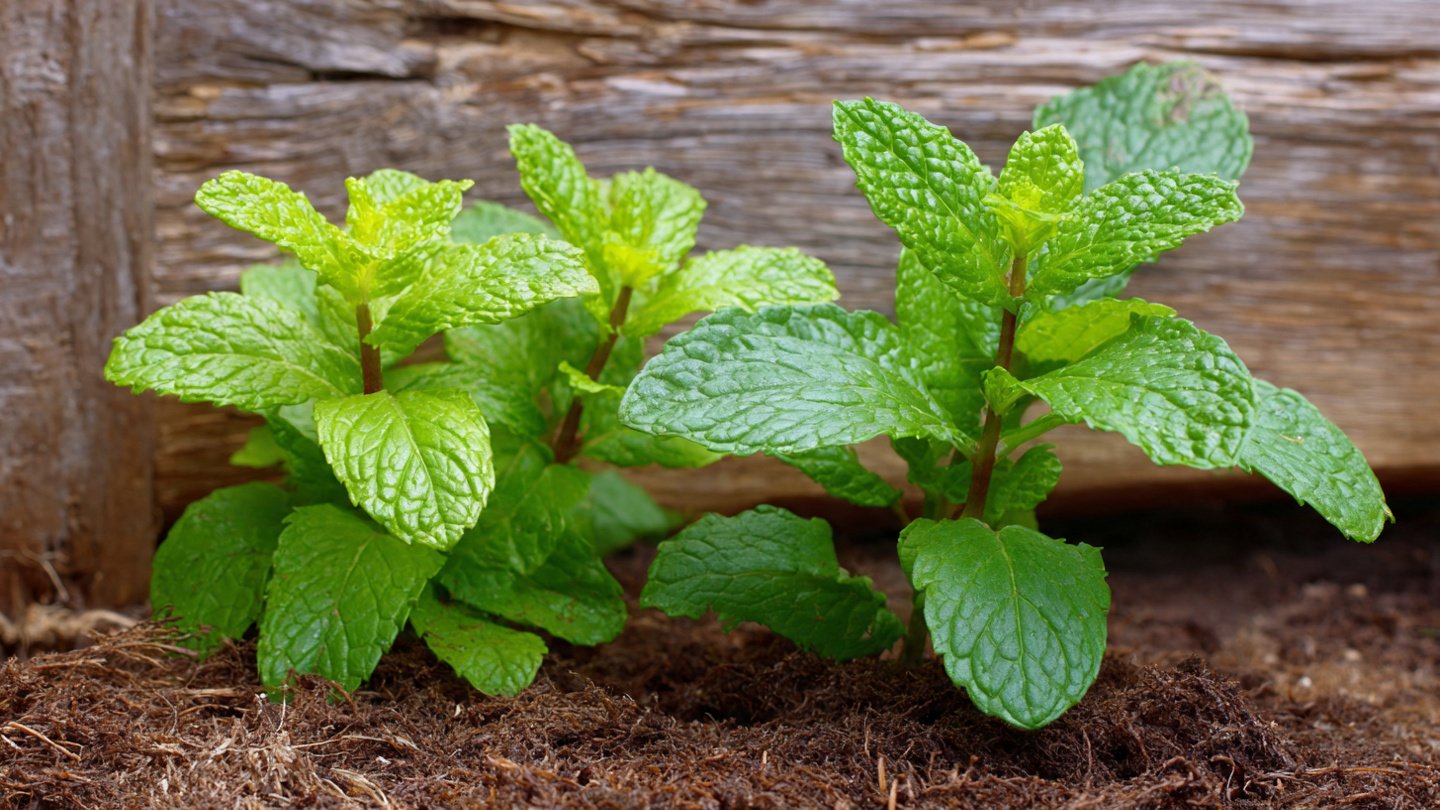
Fruit trees are the centerpiece of many home gardens, providing shade, beauty, and delicious harvests. However, growing healthy, productive trees often requires thoughtful planning beyond regular watering, pruning, and fertilization. One surprisingly effective strategy is planting mint beneath your fruit trees. Far from being just a fragrant ground cover, mint can offer numerous ecological, pest-deterring, and soil-enhancing benefits. When integrated thoughtfully, this versatile herb has the power to transform your garden into a thriving, balanced ecosystem.
Why Mint Is a Garden Ally
Mint (Mentha spp.) is a hardy, aromatic herb with vigorous growth habits. It spreads quickly and can tolerate a wide range of soil types and light conditions, making it an ideal companion plant for larger perennials like fruit trees. Beyond its culinary and aromatic qualities, mint serves several ecological roles that directly benefit fruit trees.
The relationship between mint and fruit trees demonstrates the principles of companion planting—growing plants together to mutually enhance growth, protect against pests, and improve soil health. Mint’s presence beneath a fruit tree is not only aesthetically pleasing but also functional, creating a low-maintenance ground layer that supports overall garden health.
Natural Pest Deterrent
One of the most significant advantages of planting mint beneath fruit trees is its ability to deter pests. The strong scent of mint confuses or repels many insects that target fruit trees, including aphids, whiteflies, and certain types of beetles.
By acting as a natural barrier, mint reduces the need for chemical insecticides, promoting a healthier garden ecosystem. Some studies suggest that mint can even help reduce the incidence of spider mites and caterpillars, common culprits in summer leaf damage.
For gardeners practicing organic or low-intervention methods, mint serves as an effective, natural defense against potential infestations. It allows trees to grow stronger and focus energy on producing leaves and fruit rather than repairing pest damage.
Enhancing Soil Health
Mint also contributes to soil health, an often overlooked but crucial component of a productive fruit garden. Its dense root system helps reduce soil erosion, especially around the base of fruit trees where rainwater can wash away topsoil.
As mint grows, it adds organic matter to the soil when leaves fall or roots decompose. This process enriches the soil with nutrients, promotes beneficial microbial activity, and improves soil structure. Healthy soil translates directly into stronger, more resilient fruit trees with improved fruit yield and flavor.
Additionally, mint’s fast growth helps suppress weeds. By covering bare soil, mint prevents invasive plants from taking hold, reducing competition for nutrients, water, and light. Unlike synthetic weed barriers, mint contributes positively to the soil while keeping the base of your fruit tree tidy.
Attracting Beneficial Insects
While mint deters harmful pests, it also attracts beneficial insects such as bees, hoverflies, and predatory wasps. These pollinators and natural predators are essential for fruit set and pest control.
Planting mint near fruit trees ensures that these helpful insects have a readily available habitat, encouraging them to frequent your garden regularly. This dual role—repelling pests while attracting pollinators—creates a balanced ecosystem that promotes fruit tree health and productivity.
Ground Cover and Moisture Retention
Mint acts as an excellent living mulch. By covering the soil around your fruit trees, it reduces evaporation and retains moisture in the root zone. This is particularly beneficial during hot summer months when fruit trees are prone to water stress.
Maintaining consistent soil moisture is critical for fruit tree growth, flower development, and fruit set. A mint layer beneath your trees keeps the soil cool, encourages deeper rooting, and minimizes water loss, helping your garden thrive even during periods of drought.
Practical Considerations: Managing Mint’s Vigorous Growth
While mint is highly beneficial, it’s also famously vigorous and can become invasive if not managed properly. Left unchecked, mint can spread aggressively, competing with tree roots or other desired garden plants.
To prevent unwanted overgrowth, consider the following strategies:
- Plant in Contained Areas: Use pots or root barriers to limit horizontal spread.
- Regular Pruning: Trim mint periodically to keep it within bounds and encourage fresh, lush growth.
- Spacing: Maintain a 6–12 inch buffer around the tree trunk to prevent moisture accumulation and potential fungal issues.
By controlling mint’s growth, gardeners can harness its benefits without allowing it to dominate the space or stress fruit trees.
Culinary and Aromatic Benefits
Beyond ecological advantages, planting mint beneath fruit trees adds sensory appeal. The fresh aroma releases a pleasant fragrance throughout the garden, enhancing the outdoor experience.
Home gardeners also enjoy the culinary benefits of readily available mint. Leaves can be harvested for teas, salads, desserts, or cocktails, adding a practical layer to your garden’s ecosystem. Combining beauty, utility, and function, mint is a truly multifunctional companion plant.
Seasonal Considerations
Mint grows vigorously during the spring and summer months, coinciding with the active growing season of most fruit trees. It may slow down or go dormant during colder months, depending on your climate.
In fall, mint contributes organic matter as leaves drop, preparing the soil for winter. During this period, it also protects the base of trees from erosion and soil compaction due to rain or wind. In spring, new growth emerges, ready to resume its role in pest deterrence, soil protection, and moisture retention.
Companion Planting Synergy
Planting mint beneath fruit trees is just one example of a broader companion planting strategy. When combined with other beneficial plants—such as clover for nitrogen fixation or nasturtiums for pest attraction—your garden can become a resilient, low-maintenance ecosystem.
This strategy enhances natural pest control, reduces the need for chemical fertilizers, and creates an environment where fruit trees can thrive with minimal human intervention. Over time, this thoughtful planting approach can significantly improve soil fertility, tree health, and fruit quality.
Final Thoughts
Incorporating mint beneath your fruit trees is a simple yet highly effective gardening strategy. By serving as a natural pest deterrent, improving soil health, retaining moisture, attracting pollinators, and acting as a living mulch, mint can transform the overall vitality of your garden.
When managed properly, mint provides year-round ecological benefits, culinary enjoyment, and aesthetic appeal. The result is a healthier, more productive fruit tree ecosystem that supports bountiful harvests and reduces reliance on chemical interventions.
For gardeners seeking a low-maintenance, multifunctional companion plant, mint is a standout choice. Its vigorous growth, aromatic presence, and practical benefits make it an invaluable ally for fruit trees, turning a simple garden into a thriving, balanced, and productive space.