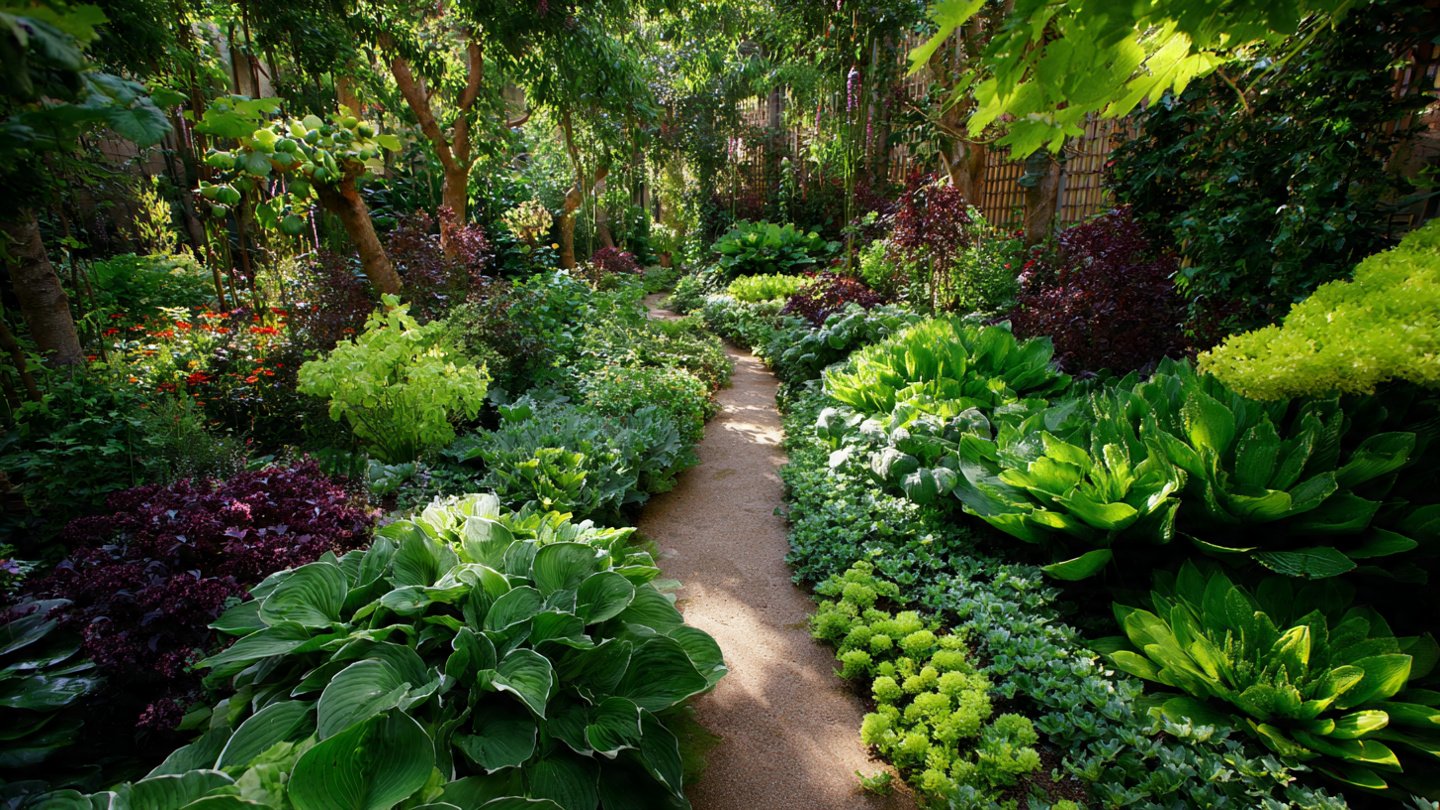
Many gardeners assume that a lush, thriving garden requires hours of sunlight each day. While sunlight is indeed important for most plants, there are countless low-light species that can transform shady spaces into vibrant, colorful, and healthy gardens. Whether you live in an apartment with limited sunlight, have a backyard shaded by trees, or simply want to create a cool, shaded oasis, low-light plants are a versatile solution.
With careful selection, proper care, and creative design, you can cultivate a garden that is not only beautiful but also resilient—without relying on full sun.
1. Understanding Low-Light Plants
Low-light plants are species that thrive in indirect, filtered, or partial light. These plants have adapted to grow under forest canopies, behind other foliage, or in shaded urban environments. Some key traits include:
- Broader leaves to capture more light
- Slower growth rates
- Tolerance for lower photosynthesis rates
Understanding these characteristics helps you select plants that will flourish where sunlight is limited.
2. Benefits of a Low-Light Garden
Low-light gardens offer numerous advantages beyond their aesthetic appeal:
- Cooler microclimates: Dense foliage reduces heat and provides shade.
- Low maintenance: Many shade-tolerant plants require less frequent watering and pruning.
- Versatility: Ideal for indoor spaces, patios, balconies, and north-facing gardens.
- Year-round greenery: Evergreen low-light plants maintain color even in winter.
By embracing low-light species, gardeners can create a serene, calming environment with minimal fuss.
3. Choosing the Right Low-Light Plants
To create a vibrant garden in shade, select a mix of foliage, flowering, and groundcover plants:
Foliage Plants
These add texture and color through leaves rather than flowers:
- Hostas: Known for their large, patterned leaves in shades of green, blue, and gold.
- Ferns: Boston ferns and maidenhair ferns create lush, feathery layers.
- Caladiums: Striking red, pink, or white-veined leaves brighten dark corners.
Flowering Plants
Even in low-light conditions, some species produce beautiful blooms:
- Impatiens: Thrives in shade with continuous bright flowers.
- Begonias: Offers vibrant flowers and textured leaves.
- Astilbes: Produces feathery flower plumes in pink, red, and white.
Groundcover Plants
Fill empty spaces and suppress weeds while enhancing visual appeal:
- Liriope: Grass-like foliage with purple flower spikes.
- Pachysandra: Evergreen and spreads easily in deep shade.
- Sweet woodruff: Fragrant and delicate, ideal for woodland gardens.
Mixing these categories ensures layers of color, texture, and interest throughout your garden.
4. Soil and Moisture Considerations
Low-light gardens often face unique soil and moisture challenges:
- Moisture retention: Shaded areas tend to retain water longer, so avoid overwatering.
- Organic matter: Adding compost or leaf mold improves fertility and drainage.
- Mulching: Helps regulate soil temperature, retain moisture, and suppress weeds.
Healthy soil supports the growth of low-light plants, helping them flourish even in less-than-ideal conditions.
5. Creative Design for Shady Spaces
A well-planned design ensures your low-light garden feels vibrant and layered:
- Vertical layers: Taller foliage in the back, medium plants in the center, low groundcovers in front.
- Textural contrast: Mix smooth, glossy leaves with feathery, delicate textures.
- Color accents: Use variegated leaves or flowering plants to add pops of color in dark areas.
- Containers and hanging baskets: Elevate plants off the ground to catch filtered light.
Thoughtful placement creates depth, draws the eye, and makes even the shadiest spots feel lively.
6. Light Management and Supplementation
Even low-light plants need some light to thrive. Consider these tips:
- Reflective surfaces: Light-colored walls or garden stones can bounce light into shaded areas.
- Artificial lighting: Indoors, LED grow lights can supplement natural light for potted low-light plants.
- Strategic pruning: Trim overhanging branches to allow dappled sunlight while maintaining shade.
Balancing light ensures that your plants grow strong without becoming leggy or pale.
7. Maintenance Tips for Low-Light Gardens
While low-light plants are generally hardy, maintenance is still important:
- Regular pruning: Prevent overcrowding and maintain airflow to reduce disease.
- Fertilization: Apply a balanced, slow-release fertilizer every few weeks during the growing season.
- Pest control: Watch for slugs, aphids, and snails, which are more prevalent in moist, shaded conditions.
- Cleaning foliage: Dust leaves indoors or rinse foliage outdoors to maximize photosynthesis.
Consistent care helps your low-light garden remain vibrant and healthy year-round.
8. Benefits Beyond Beauty
Low-light gardens offer more than just aesthetics:
- Stress reduction: Shaded, leafy spaces create a tranquil environment.
- Air purification: Many low-light indoor plants filter toxins and improve air quality.
- Biodiversity: Shaded areas attract pollinators, birds, and beneficial insects, enriching the ecosystem.
- Adaptability: Once established, low-light plants often require less intervention than sun-loving species.
These benefits make low-light gardens an excellent choice for both urban and suburban spaces.
9. Common Mistakes to Avoid
Even hardy shade plants can struggle if mismanaged. Avoid these pitfalls:
- Overwatering: Shaded areas retain moisture; too much water can cause root rot.
- Neglecting soil fertility: Low-light plants still need nutrients; poor soil leads to slow growth.
- Ignoring airflow: Stagnant, humid areas encourage fungal diseases.
- Overcrowding: Plant spacing is critical to prevent competition for light and nutrients.
Awareness of these common mistakes ensures your garden thrives rather than struggles.
10. Enjoying Your Low-Light Garden
Low-light gardens offer unique opportunities for relaxation and creativity:
- Reading nook: Place a comfortable chair under lush foliage for a cozy retreat.
- Photography and art: The interplay of shadows, textures, and colors can inspire creativity.
- Meditative space: Gentle rustling leaves and filtered sunlight create a serene environment.
A vibrant low-light garden can be as rewarding and functional as a sun-drenched space.
Final Thoughts
Creating a vibrant garden with low-light plants is not only possible—it can be exceptionally rewarding. By choosing the right plant varieties, optimizing soil and moisture, designing with layers and texture, and providing thoughtful care, you can turn shady corners into thriving, colorful sanctuaries.
Even in limited light, your garden can flourish, offering beauty, tranquility, and sustainability. With patience and creativity, you can embrace low-light conditions and enjoy a garden that is both lush and captivating.