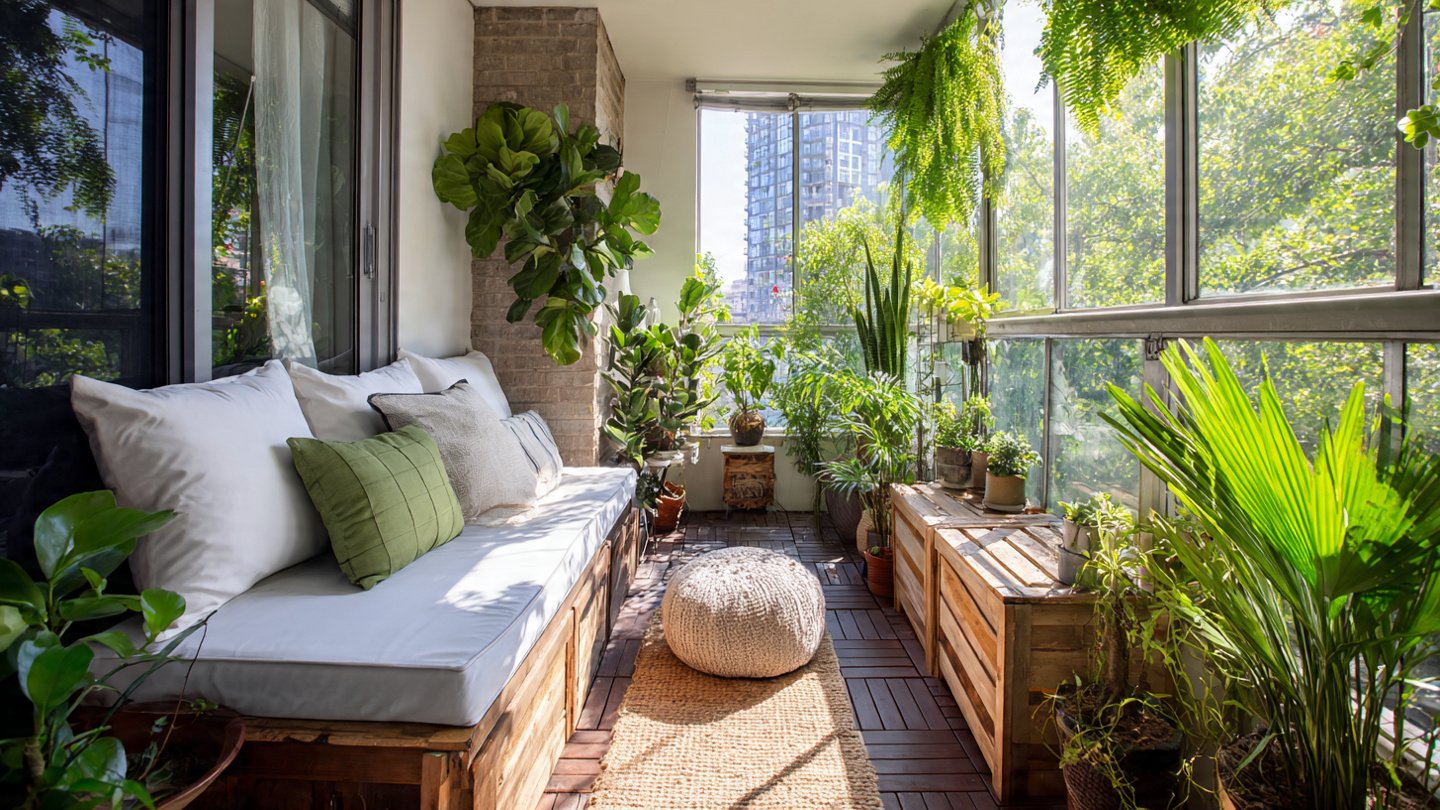
Balconies are a coveted feature in apartments and urban homes, offering a private outdoor retreat. But when space is narrow, decorating or arranging furniture can feel impossible. Many people assume that a skinny balcony can never feel spacious, but with one key trick—using vertical design strategically—you can dramatically transform a tight outdoor space into a roomy, inviting oasis. This approach emphasizes height, layering, and perspective, making even the narrowest balcony feel open and airy.
The Problem with Skinny Balconies
Most narrow balconies suffer from common design challenges:
- Crowding: Placing too many objects or furniture pieces can make the space feel cluttered.
- Flat surfaces: Without vertical elements, a balcony can feel like a narrow corridor.
- Poor perspective: Limited sightlines can make the balcony appear even smaller.
Addressing these issues requires a shift in thinking. Instead of trying to fit everything horizontally, embracing vertical space opens up new design opportunities.
The One Trick: Vertical Design
Vertical design focuses on height to maximize perceived space. By drawing the eye upward, the balcony feels taller, more open, and less constrained. This trick works because humans perceive height as freedom, and vertical elements can visually stretch a small area.
Ways to Implement Vertical Design
- Vertical Gardens:
Installing wall planters, hanging pockets, or a modular green wall can add lush greenery without taking up floor space. Vertical gardens not only save room but also create a natural backdrop, giving the illusion of depth. Trailing plants like ivy, pothos, or string-of-pearls cascading downwards further enhance the spacious feel. - Tall Furniture:
Opt for slim, tall furniture instead of wide, bulky pieces. A narrow bistro table with bar stools, for example, keeps floor space open while providing functional seating. Tall shelving units for plants or storage utilize height without overcrowding the balcony’s width. - Hanging Accessories:
Hanging lights, lanterns, or decorative elements draws attention upward and away from the narrow floor area. String lights along a railing or suspended planters create ambiance while maintaining a clean, airy floor plan. - Wall-Mounted Features:
Shelves, foldable tables, or hooks attached to the balcony wall free up space below and create functional zones. A foldable wall-mounted table can double as a dining or workspace when needed, then fold away to maintain openness.
Using Color to Enhance Vertical Space
Color plays a crucial role in making a narrow balcony feel spacious. Light and bright hues reflect light and make walls feel farther apart. Applying vertical stripes or contrasting top-to-bottom colors can further emphasize height. For example:
- Paint the railing or lower wall in a subtle neutral color.
- Add tall planters or trellises with bright green or floral accents at varying heights.
- Use cushions or textiles in a vertical gradient or pattern to extend the eye upwards.
Even small color cues guide perception and reinforce the vertical trick.
Mirrors and Reflective Surfaces
Mirrors are a classic tool for creating the illusion of space. On a balcony, vertical mirrors can double the visual depth and make the area feel more open. Consider:
- Mounting a narrow mirror along the balcony wall.
- Using reflective planters or metallic accents to bounce light and draw attention upward.
- Placing small mirrored tiles strategically to catch sunlight and expand perception.
Combined with vertical elements, mirrors amplify the feeling of spaciousness without adding clutter.
Choosing the Right Flooring
Even the balcony floor can reinforce the vertical trick. Long, narrow floorboards or tiles oriented along the length of the balcony visually elongate the space. Adding a vertical runner or narrow mat creates directional guidance, pulling the eye along the balcony rather than focusing on its limited width.
Minimalist Furniture and Layout
Less is more on a skinny balcony. Avoid bulky furniture that takes up horizontal space. Prioritize lightweight, slim designs that complement vertical elements:
- Foldable chairs or tables
- Stools or benches that double as storage
- Stackable furniture that can be moved easily
Leave enough open floor space to allow foot traffic and maintain an uncluttered, airy feel. Vertical design is most effective when the floor is not overcrowded.
Lighting to Enhance the Vertical Effect
Proper lighting reinforces verticality and spaciousness. Use upward-facing lights, such as wall sconces or LED strips, to highlight walls and vertical plants. Hanging lanterns or pendant lights create layers of illumination, making the balcony feel taller and more dynamic. Avoid heavy floor lamps or large fixtures that dominate horizontal space.
Accessorizing Without Crowding
Even in a skinny balcony, accessories can add personality and style without reducing space:
- Tall planters with narrow bases allow greenery without taking up much floor area.
- Hanging baskets add color at eye level or above.
- Vertical art or wall décor reinforces the upward visual flow.
By keeping the focus on vertical height, accessories enhance the design without making the balcony feel cramped.
Creating Functional Zones
A vertical design approach doesn’t just make the balcony look spacious—it also maximizes functionality. Consider:
- A vertical herb garden for cooking enthusiasts
- A wall-mounted folding table for coffee or laptop use
- A slim shelf for plants and décor that doubles as storage
By stacking functions vertically rather than spreading them horizontally, the balcony feels open yet highly usable.
Seasonal Adaptations
One of the benefits of vertical design is flexibility. You can switch plants or decorations seasonally without affecting floor space. For example:
- Summer: Hanging tropical plants, flowering vines, or colorful planters
- Autumn: Tall grasses or cascading pumpkins for a festive look
- Winter: Evergreen vertical arrangements or fairy lights for warmth and ambiance
The vertical trick allows easy rotation of elements while keeping the balcony uncluttered year-round.
Conclusion
A skinny balcony doesn’t have to feel cramped or neglected. By focusing on vertical design, you can transform even the narrowest space into a luxurious, airy, and functional outdoor retreat. Using vertical gardens, tall furniture, hanging accessories, mirrors, and appropriate lighting, you can create the illusion of height and depth while maintaining open floor space. Combined with thoughtful color choices, minimalist furniture, and functional layering, this single design trick is enough to make a small balcony feel spacious, stylish, and inviting.
The next time you stare at a narrow balcony, remember: verticality is your secret weapon. With careful planning and attention to height and layering, your compact outdoor space can feel bigger, brighter, and more beautiful than ever.