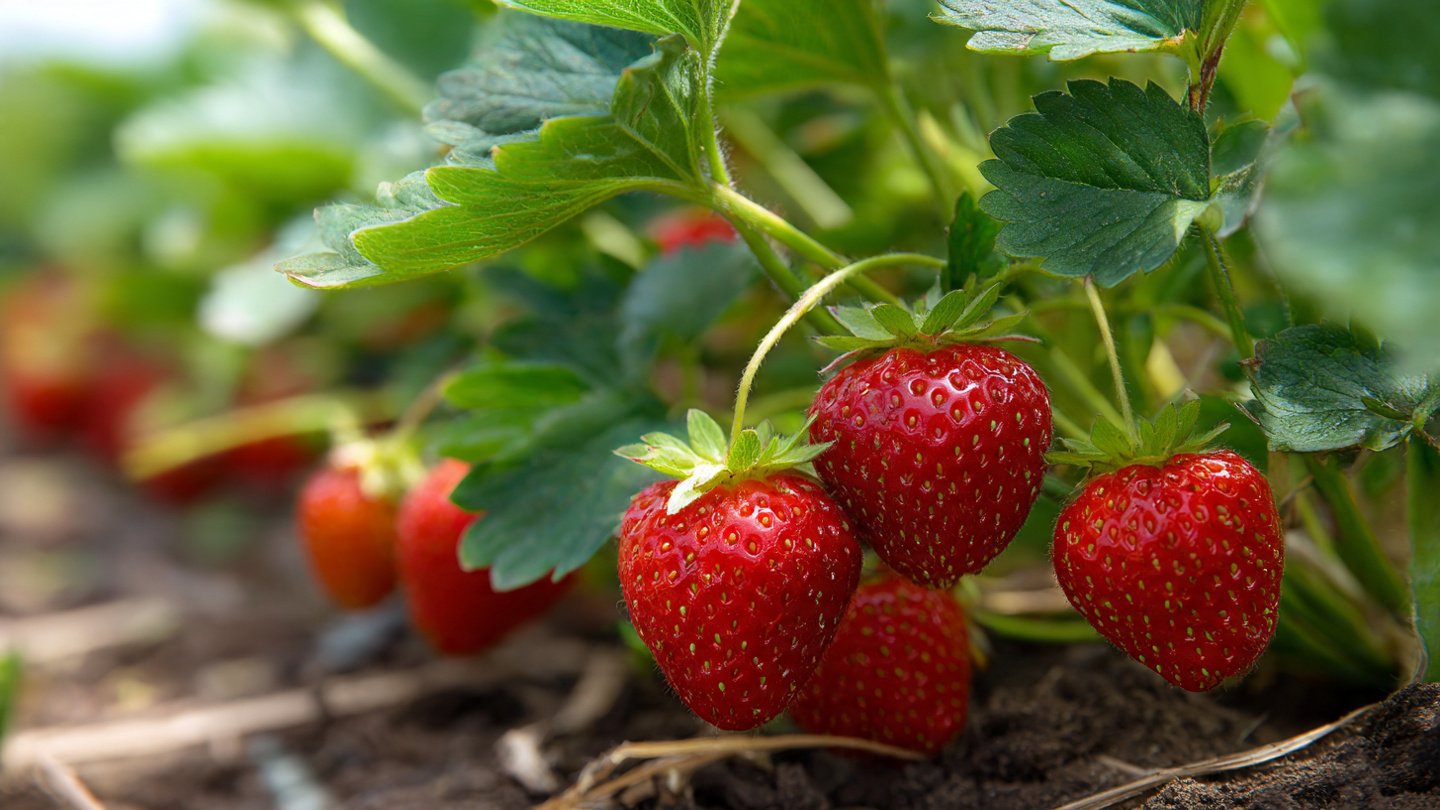
Strawberries are among the most beloved garden fruits, prized for their juicy sweetness and vibrant color. Yet growing them successfully requires careful attention to soil health, moisture, and protection from pests and diseases. One often overlooked secret to creating a lush, thriving strawberry patch is pine needles. These natural, readily available materials can transform your strawberry garden into a fertile, productive paradise when used properly.
Whether you’re a beginner gardener or an experienced grower, understanding how pine needles benefit strawberries can help you boost yield, improve soil health, and reduce garden maintenance.
Why Pine Needles Are Ideal for Strawberries
Pine needles, sometimes called pine straw, offer several advantages for strawberries:
- Natural Mulch – Pine needles form a light, airy layer over the soil, acting as a protective mulch that conserves moisture and suppresses weeds.
- Soil Improvement – As they decompose slowly, pine needles enhance soil structure, improve aeration, and gradually add organic matter.
- pH Moderation – Pine needles are slightly acidic, which complements the preference of strawberries for slightly acidic soil (pH 5.5–6.5).
- Temperature Regulation – A pine needle mulch insulates the soil, keeping roots cooler in summer and protecting them from frost in winter.
- Clean Fruit Production – Strawberries grow close to the ground and are prone to rot if they sit directly on moist soil. A pine needle layer keeps fruit clean, reducing spoilage.
By integrating pine needles into your strawberry garden, you address multiple growing challenges simultaneously, creating ideal conditions for healthy plants.
How to Use Pine Needles in Your Strawberry Garden
1. Prepare Your Strawberry Beds
Before applying pine needles, it’s important to prepare the soil:
- Remove weeds – Clear the area of existing weeds to prevent competition for nutrients.
- Amend soil – Incorporate compost or well-rotted manure to boost fertility. Strawberries thrive in rich, well-drained soil.
- Check pH – While pine needles help maintain acidity, test the soil to ensure pH is within the ideal range for strawberries.
2. Apply a Mulch Layer
Once your beds are ready, it’s time to apply pine needles:
- Depth – Spread a 2–3 inch layer over the soil. Too thin a layer won’t suppress weeds effectively, while too thick may restrict air circulation.
- Spacing – Keep a small gap around the crown of each strawberry plant to prevent rot and allow airflow.
- Edges – Extend the mulch to cover paths between rows to suppress weeds and prevent soil erosion.
This layer will help retain soil moisture, minimize evaporation, and reduce the frequency of watering, especially during hot summer months.
3. Combine With Other Organic Practices
For optimal strawberry growth, pine needles work best in combination with other organic gardening techniques:
- Companion Planting – Plant herbs like thyme or borage near strawberries to repel pests and attract pollinators.
- Crop Rotation – Avoid planting strawberries in the same spot every year to prevent disease buildup.
- Watering Techniques – Use drip irrigation or soaker hoses beneath the pine needle layer to provide consistent moisture without wetting the foliage, which reduces fungal disease risk.
Benefits of Pine Needles Throughout the Growing Season
Spring
- Weed suppression – As new growth emerges, pine needles prevent weeds from taking over the bed.
- Moisture retention – Young strawberry plants require steady moisture, which pine needles help maintain.
Summer
- Fruit protection – Mulch keeps berries off the soil, reducing rot and soil splashing.
- Temperature moderation – Pine needles help keep roots cool during heat waves.
Fall
- Winter insulation – A layer of pine needles protects crowns from frost and soil freezing.
- Soil enrichment – As needles slowly decompose, they contribute organic matter for the next season.
Potential Considerations
While pine needles are highly beneficial, gardeners should be aware of a few considerations:
- Slow Decomposition – Pine needles break down slowly, which is great for long-term mulch but can slightly limit immediate nutrient availability. Complement with compost for fast-release nutrients.
- Acidity Build-Up – In extremely sandy or already acidic soils, pine needles may slightly lower pH. Monitor soil and amend if necessary with lime or other soil conditioners.
- Debris Management – Pine needles can scatter in windy conditions. Edging beds or lightly tucking needles around plants helps maintain tidy rows.
Additional Tips for Thriving Strawberry Gardens
- Plant Selection – Choose disease-resistant varieties suited to your climate for the best results.
- Regular Maintenance – Remove dead leaves and runners selectively to focus energy on fruit production.
- Fertilization – Side-dress with organic fertilizer during early growth and fruiting periods to support maximum yield.
- Pest Control – Mulch helps deter slugs and some pests, but regular inspection is necessary for aphids, birds, and other threats.
Long-Term Advantages of Pine Needle Mulch
- Sustainable Resource – Pine needles are a renewable material, often available free in areas with pine trees. Using them reduces reliance on synthetic mulches.
- Soil Health – Over time, decomposing needles improve soil texture, increase water retention, and support beneficial soil organisms.
- Aesthetics – Pine needles create a natural, tidy, and visually appealing garden bed, enhancing overall garden beauty.
Final Thoughts
Transforming your strawberry garden into a thriving paradise doesn’t require expensive fertilizers, exotic soil amendments, or high-tech irrigation systems. Pine needles offer a simple, sustainable, and highly effective solution to multiple gardening challenges. By providing insulation, moisture retention, weed suppression, and clean growing conditions, pine needles create the ideal environment for healthy, productive strawberry plants.
When combined with sound gardening practices—composting, proper watering, and pest management—pine needles can help you enjoy lush strawberry beds, abundant harvests, and vibrant, delicious fruit season after season.
Whether you have a backyard plot or raised beds on a balcony, incorporating pine needles into your strawberry garden is an eco-friendly, cost-effective way to create a sustainable and productive growing paradise.