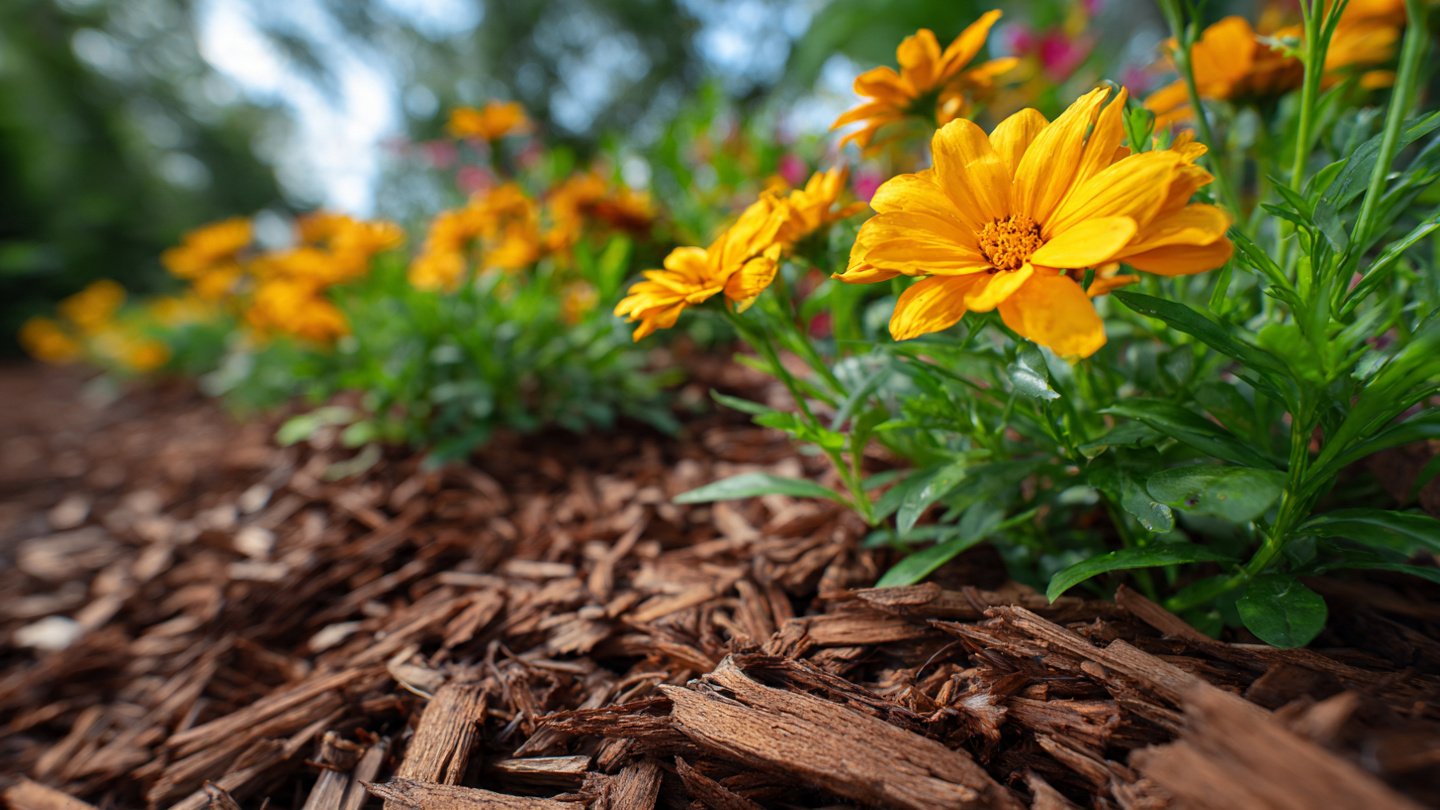
Mulching is one of the simplest and most effective ways to improve your garden’s health, appearance, and productivity. Many gardeners know that mulch can make a flower bed look tidy, but few realize the full range of surprising advantages it provides. From conserving water to boosting soil fertility and even deterring pests, mulching is a powerhouse gardening practice that benefits both plants and the environment.
Whether you’re a novice gardener or a seasoned green thumb, understanding how to mulch properly can transform your flower beds into thriving, vibrant displays.
1. What Is Mulch?
Mulch refers to a layer of material applied to the soil surface around plants. It can be organic, like shredded bark, compost, straw, or leaves, or inorganic, such as gravel, stones, or landscape fabric. While both types have their uses, organic mulches offer the most benefits for flower beds, as they break down over time and enrich the soil.
2. Conserves Moisture and Reduces Watering Needs
One of the most immediate benefits of mulching is water conservation. A good layer of mulch:
- Reduces evaporation from the soil
- Keeps roots consistently moist
- Lowers the frequency of watering
During hot summer months, mulched flower beds can retain moisture for days longer than bare soil. This not only helps plants survive heatwaves but also reduces your water usage—an eco-friendly bonus.
3. Regulates Soil Temperature
Mulch acts as a natural insulator for your flower beds. It:
- Keeps soil cool in the summer, protecting delicate roots from heat stress
- Retains warmth in the winter, shielding plants from sudden temperature drops
- Creates a more stable environment for soil microorganisms
By moderating temperature extremes, mulch helps flowers grow more consistently and remain healthier year-round.
4. Suppresses Weeds Naturally
Weeds compete with flowers for nutrients, water, and sunlight. A thick layer of mulch blocks light from reaching weed seeds, reducing their ability to germinate. Over time, this means fewer weeds, less weeding effort, and more nutrients available for your plants. Organic mulch can be replenished seasonally to maintain a consistent barrier against unwanted growth.
5. Improves Soil Health and Fertility
Organic mulches gradually decompose, enriching the soil with valuable nutrients. This process:
- Adds organic matter to the soil
- Enhances soil structure and aeration
- Boosts microbial activity, creating a healthy soil ecosystem
Fertile soil encourages stronger root systems, better flowering, and more resilient plants. In essence, mulch acts as a slow-release natural fertilizer, benefiting your flower beds over time.
6. Protects Plants from Soil-Borne Diseases
Mulch creates a barrier between plant leaves and the soil. This simple layer of protection:
- Prevents soil from splashing onto leaves during rain or watering
- Reduces the risk of fungal infections such as powdery mildew or leaf spot
- Keeps flowers cleaner and healthier, improving overall garden aesthetics
By minimizing contact with contaminated soil, mulching promotes long-term plant health.
7. Prevents Soil Erosion and Compaction
Heavy rain can wash away topsoil and compact the soil, reducing its ability to retain water and nutrients. Mulch cushions the soil surface, allowing:
- Rain to penetrate slowly
- Roots to breathe freely
- Soil structure to remain intact
For sloped flower beds, mulch is especially valuable, as it prevents erosion and keeps your garden landscape intact.
8. Enhances Flower Bed Appearance
Mulch isn’t just functional—it’s decorative. A well-mulched flower bed looks neat, cohesive, and professionally maintained. Different types of mulch can be chosen to complement the color and texture of your flowers, such as:
- Dark shredded bark for a dramatic contrast
- Straw for a natural, rustic look
- Colored wood chips to match landscaping themes
Even if your garden is small, a layer of mulch can make it feel more polished and visually appealing.
9. Encourages Beneficial Insects and Wildlife
Certain organic mulches attract helpful insects, such as earthworms, which aerate the soil and break down organic matter into nutrients. Other beneficial organisms include:
- Pollinators that find refuge near flowering plants
- Ladybugs and predatory insects that help control garden pests
By enriching your flower beds with mulch, you create a mini ecosystem that supports your plants naturally.
10. How to Mulch Properly
For the best results, follow these simple guidelines:
- Choose the right mulch: Organic mulches like bark, wood chips, or compost work best for flowers.
- Apply the right thickness: A 2–4 inch layer is ideal. Too thin won’t be effective, and too thick can suffocate roots.
- Keep mulch away from plant crowns: Avoid piling mulch directly against stems or trunks to prevent rot.
- Replenish annually: Organic mulch decomposes over time, so top it up each season to maintain benefits.
Proper application ensures your flowers get all the advantages without unintended side effects.
11. Common Mistakes to Avoid
Even with mulch, mistakes can hinder plant growth:
- Using excessive mulch, which can trap moisture and cause root rot
- Using non-composted material, which may introduce weed seeds
- Ignoring signs of pest infestation under mulch, such as slugs or rodents
- Forgetting to replenish decomposed mulch
Being mindful of these issues allows you to enjoy all the benefits without problems.
Final Thoughts
Mulching your flower beds is a deceptively simple practice with profound benefits. From conserving water and regulating soil temperature to preventing weeds, improving fertility, and enhancing aesthetics, mulch is one of the most effective tools in any gardener’s toolkit. By incorporating organic mulch into your flower beds, you create healthier soil, stronger plants, and a more vibrant garden year after year.
Whether you’re planting roses, perennials, or annual blooms, mulch is a small investment with big rewards. Once you start, you’ll quickly realize why seasoned gardeners swear by it—your flower beds will thrive, and your garden will look its absolute best.