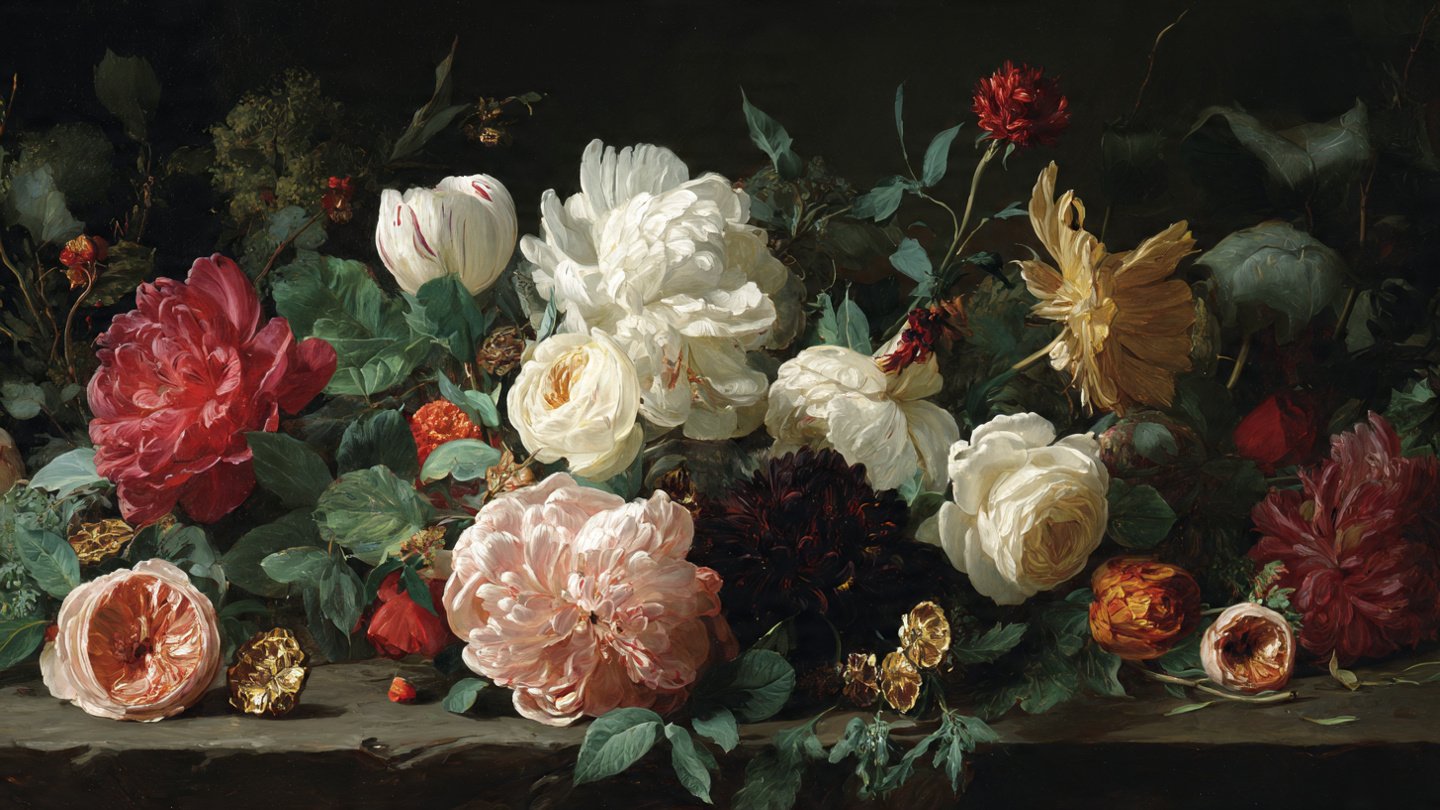
Throughout history, flowers have never been just decorative elements in paintings—they have served as powerful symbols, carrying meaning, emotion, and social messages. From Renaissance masterpieces to Victorian still lifes, artists have used blossoms to communicate complex ideas without words. Understanding these floral codes allows viewers to unlock deeper layers of interpretation in some of the world’s most iconic artworks.
Whether representing love, mortality, purity, or power, flowers in historical paintings offer a fascinating glimpse into cultural values, personal narratives, and artistic innovation. Their significance often goes unnoticed by casual observers, yet decoding these visual messages can dramatically enrich our appreciation of art.
Flowers as Symbols in Historical Art
Many historical paintings rely on flowers to convey meaning, drawing on well-established symbolic systems. In Western art, for instance, the language of flowers—also known as floriography—was widely understood in certain eras. Each flower, color, and arrangement could represent a specific emotion, virtue, or societal concept.
- Roses often symbolize love, passion, or divine beauty, depending on color and context.
- Lilies frequently appear in religious scenes, representing purity, innocence, or the Virgin Mary.
- Poppies can denote sleep, death, or remembrance.
- Violets suggest humility, fidelity, or devotion.
By carefully selecting blossoms, artists could communicate layered meanings to audiences familiar with these symbolic traditions. For example, a portrait featuring a woman holding a single rose might indicate romantic interest, spiritual devotion, or fleeting beauty—all depending on context.
Religious and Mythological Significance
In religious art, flowers often carry spiritual or mythological weight. During the Renaissance, painters used specific blossoms to connect earthly scenes with divine ideas. For instance:
- In depictions of the Annunciation, lilies signify Mary’s purity and divine favor.
- In mythological paintings, roses might appear in scenes of Venus, symbolizing love, desire, and fertility.
These floral symbols were not decorative afterthoughts—they were carefully chosen to guide the viewer’s understanding of narrative and moral themes. Recognizing the types of flowers and their placement allows modern audiences to interpret the subtle messages encoded by historical artists.
Flowers as Political or Social Statements
Flowers could also carry political or social messages. In certain historical periods, specific blossoms were associated with dynasties, regions, or social ranks. For example, the Tudor rose symbolized the unification of the Houses of Lancaster and York in 15th-century England. Including this flower in a painting might convey loyalty to the monarchy or national pride.
Similarly, during the Dutch Golden Age, detailed still lifes featuring flowers often reflected wealth and status. Exotic blooms imported from colonies symbolized sophistication, luxury, and global connections, while their fleeting beauty served as a reminder of mortality—a theme known as vanitas.
Emotional and Personal Symbolism
Artists frequently used flowers to encode personal emotions or hidden narratives. In intimate portraiture, a hand holding a particular blossom might indicate secret love or personal virtue. In still lifes, wilted flowers could convey grief, loss, or the passage of time.
These symbolic nuances allowed artists to express ideas subtly, creating a dialogue between the painter, the subject, and the viewer. Understanding these floral meanings provides insight into the emotional and intellectual climate of the period in which the artwork was created.
Botanical Accuracy and Aesthetic Innovation
Beyond symbolism, historical artists often took great care to depict flowers with scientific precision. Botanical accuracy was not only a mark of technical skill but also reflected the era’s growing interest in natural history and exploration.
- During the Renaissance, detailed floral depictions in altarpieces and secular paintings showcased both artistic mastery and botanical knowledge.
- Dutch painters in the 17th century, such as Jan van Huysum, created highly detailed floral still lifes that celebrated both beauty and realism, often including rare or exotic flowers that reflected the global trade of the time.
Through careful observation, artists elevated flowers from mere decoration to objects of intellectual interest, blending science, aesthetics, and symbolism.
Cross-Cultural Symbolism
While much of Western art relies on floriography, flowers carry significance in global artistic traditions as well. In Japanese Edo-period paintings, cherry blossoms symbolize the transience of life, while chrysanthemums represent longevity and nobility. In Indian Mughal miniatures, lotus flowers convey spiritual enlightenment and divine purity.
Recognizing these cross-cultural associations enriches our understanding of how artists across the world have employed flora to convey universal themes, from beauty and love to mortality and transcendence.
Flowers in Iconic Historical Paintings
Several famous works demonstrate the depth of floral symbolism:
- “The Arnolfini Portrait” (Jan van Eyck, 1434): The small bouquet in this painting has been interpreted as a symbol of fidelity, wealth, and domestic virtue.
- “Virgin with the Lily” (various artists): Lilies frequently appear in depictions of the Virgin Mary, signifying purity and divine grace.
- Dutch floral still lifes: Artists like Rachel Ruysch created lavish floral compositions featuring tulips, roses, and exotic blooms, combining beauty with lessons on mortality (vanitas).
In each case, understanding the flowers’ symbolic meaning adds richness to the viewer’s interpretation, revealing layers of narrative, cultural context, and artistic intention.
Why Understanding Floral Symbolism Matters Today
For modern audiences, knowing the “language” of flowers in historical paintings transforms the way we experience art. Instead of seeing flowers as mere decoration, we begin to appreciate them as a form of storytelling, a bridge between the artist’s intent and the viewer’s understanding.
This knowledge also deepens our appreciation of art history, connecting botanical detail with cultural, political, and emotional contexts. By recognizing the subtle messages hidden in petals, leaves, and arrangements, we engage more fully with the artwork, discovering new narratives each time we look.
Conclusion
Flowers in historical paintings are far more than aesthetic flourishes. They are symbols of love, purity, mortality, political allegiance, and cultural values. From Renaissance altarpieces to Dutch Golden Age still lifes, flowers serve as conduits of meaning, conveying ideas that transcend words.
Understanding these floral codes allows us to uncover hidden narratives, appreciate botanical accuracy, and see the artistry behind every brushstroke. Blossoms, in essence, reveal the secrets of the past—inviting modern viewers to decode the visual language carefully crafted by artists across centuries.
Whether admired for their beauty or analyzed for their symbolism, flowers continue to captivate audiences and remind us that even the smallest details in art can carry profound meaning.