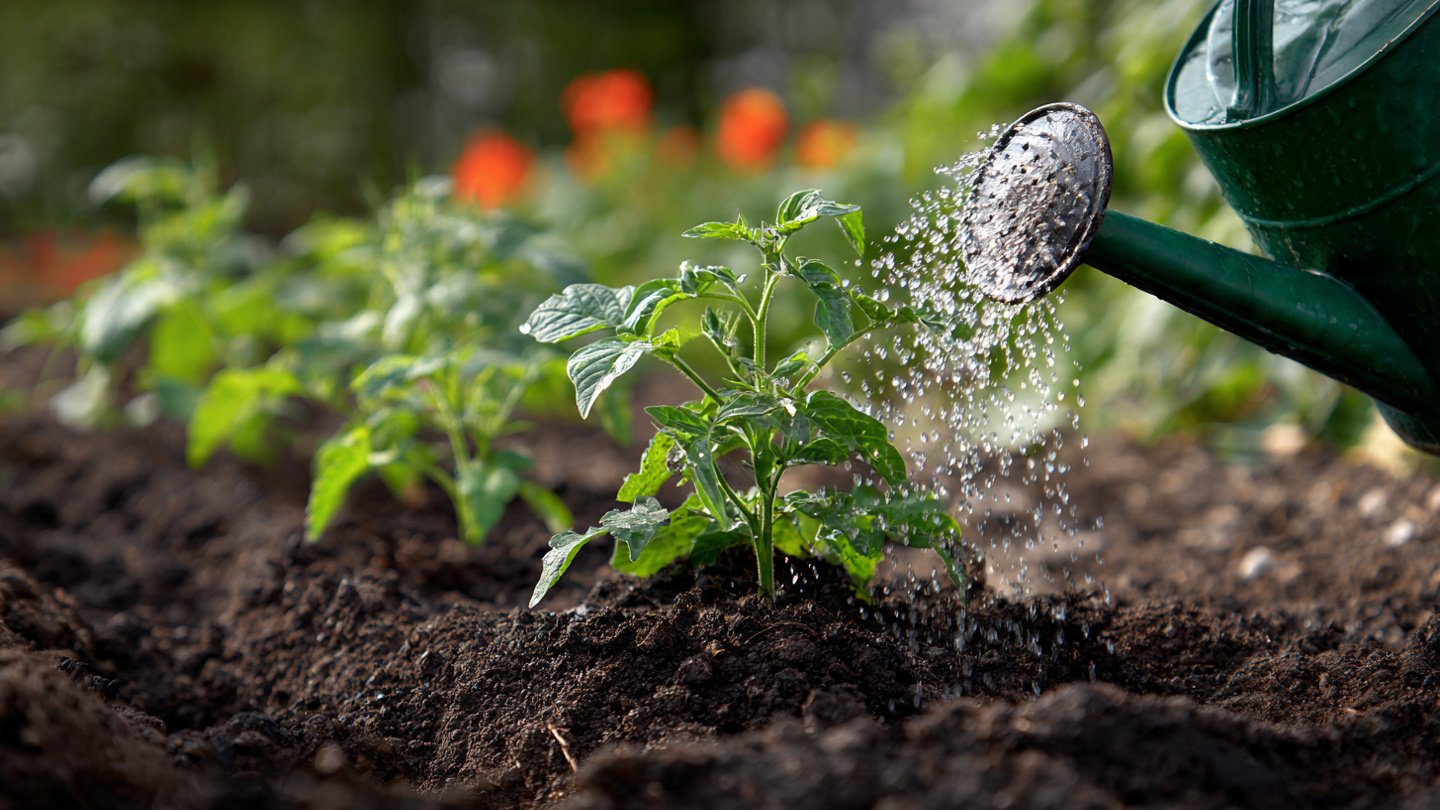
Maintaining consistent soil moisture is one of the most important yet challenging aspects of gardening. Plants need water to thrive, but overwatering can be just as harmful as letting the soil dry out. Gardeners often wonder how to keep soil evenly moist throughout the day, especially during hot summer months or in areas with sandy, fast-draining soil.
With the right techniques, it’s possible to conserve water, reduce stress on plants, and maintain a healthy, vibrant garden without constantly running the hose. This guide explores effective strategies for keeping your garden soil moist from morning to evening.
Why Consistent Soil Moisture Matters
Plants rely on soil moisture for several critical functions:
- Nutrient absorption: Roots absorb nutrients dissolved in water. Dry soil limits this process.
- Photosynthesis and growth: Adequate water keeps leaves turgid, allowing plants to capture sunlight efficiently.
- Stress reduction: Sudden drying can cause wilting, flower drop, and reduced fruiting.
Uneven watering creates cycles of stress and recovery, which can stunt growth and weaken plants. Keeping soil moist ensures steady growth and optimal yields.
Understand Your Soil Type
Different soils retain water differently, so your approach depends on the soil in your garden:
- Sandy soil: Drains quickly and dries out fast; needs frequent watering or water retention strategies.
- Loamy soil: Balanced, retains moisture well, ideal for most plants.
- Clay soil: Holds water for long periods but can become waterlogged; careful monitoring is needed.
By knowing your soil type, you can select the most effective moisture-retaining methods.
Mulching: Your First Line of Defense
Mulching is one of the easiest and most effective ways to keep soil moist all day.
- Organic mulches: Straw, shredded leaves, wood chips, and compost reduce evaporation, keep soil cooler, and enrich the soil as they decompose.
- Inorganic mulches: Stones, gravel, or landscape fabric reduce surface evaporation but do not improve soil fertility.
Tips for mulching:
- Apply a 2–4 inch layer around plants.
- Keep mulch a few inches away from stems to prevent rot.
- Replenish mulch as it decomposes over the season.
Mulching creates a protective blanket that slows water loss, keeping roots hydrated longer.
Watering Techniques for All-Day Moisture
How you water is just as important as how much you water.
1. Deep, Infrequent Watering
Watering deeply encourages roots to grow downward, where soil moisture lasts longer. Shallow watering leads to surface roots that dry out quickly.
- Water slowly until the top 6–12 inches of soil are moist.
- Use a soaker hose or drip irrigation to ensure even penetration.
2. Watering Early in the Day
Watering in the morning reduces evaporation and ensures plants have water to withstand midday heat. Evening watering can leave soil wet overnight, increasing the risk of fungal diseases.
3. Drip Irrigation and Soaker Hoses
Installing a drip irrigation system or soaker hoses allows water to reach the root zone directly, minimizing loss from runoff or evaporation.
- Drip lines can be placed at the base of each plant.
- Timers allow slow, consistent watering throughout the day or early morning.
This method keeps soil consistently moist without overwatering.
Soil Amendments for Moisture Retention
Adding organic matter to your soil improves its ability to hold water.
- Compost: Enhances soil structure, improves drainage in clay soils, and increases water retention in sandy soils.
- Coconut coir or peat moss: Retains water while keeping soil aerated.
- Aged manure: Adds nutrients and helps retain moisture.
Incorporating these amendments during planting or in seasonal top-dressing ensures soil remains hydrated longer.
Shade and Plant Placement
Plants in direct sunlight dry out faster than those in partial shade. Strategic placement can reduce soil evaporation:
- Group plants with similar water needs together.
- Use taller plants to shade smaller plants or mulch surfaces.
- Consider temporary shade cloths during peak summer heat.
This method reduces water stress and helps the soil retain moisture naturally.
Using Water-Retaining Materials
Modern gardening offers water retention solutions that act like small reservoirs in the soil:
- Hydrogels: Water-absorbing crystals mixed into the soil slowly release water as needed.
- Self-watering containers: Containers with reservoirs maintain consistent soil moisture for potted plants.
- Wicking systems: Wicks draw water from a reservoir into the soil gradually.
These techniques are particularly useful for container gardening or areas with fast-draining soil.
Smart Planting Choices
Some plants tolerate slight drought better than others. Pairing water-conscious plants with moisture-conserving strategies makes it easier to maintain consistent soil moisture:
- Deep-rooted plants access water from lower soil layers.
- Native or drought-tolerant plants often thrive with reduced irrigation but still benefit from mulching.
- Companion planting with groundcovers reduces soil exposure and evaporation.
By designing your garden with these principles, moisture management becomes simpler.
Regular Monitoring
Even with mulching, irrigation, and soil amendments, regular monitoring is essential:
- Check soil moisture: Use a soil probe or simply stick your finger 2–4 inches into the soil.
- Observe plant behavior: Wilting, yellowing, or curling leaves may indicate moisture stress.
- Adjust watering schedules: Based on temperature, rainfall, and seasonal changes.
Keeping an eye on your soil ensures your strategies are effective and your plants remain healthy.
Combining Strategies for Best Results
No single method is perfect. For optimal soil moisture:
- Apply mulch around plants.
- Water deeply early in the morning.
- Use drip irrigation or soaker hoses for consistent delivery.
- Incorporate compost or soil amendments.
- Place plants strategically for shade and airflow.
Together, these approaches maintain even soil moisture, reduce water waste, and enhance plant health.
Benefits of Consistently Moist Soil
Maintaining soil moisture all day provides multiple advantages:
- Stronger root development and healthier plants
- Continuous flowering and fruiting for vegetables and ornamental plants
- Reduced plant stress during hot, dry weather
- Lower water bills through efficient use of irrigation
- Improved soil structure and long-term fertility
Healthy, hydrated soil is the foundation for thriving gardens, whether in containers, raised beds, or open plots.
Conclusion
Keeping garden soil moist throughout the day is achievable with a combination of smart watering techniques, soil amendments, mulching, and careful plant placement. By understanding your soil type, providing protective cover, and using water-efficient irrigation methods, you can maintain consistent moisture without constant attention.
A well-moisturized garden not only reduces stress on plants but also supports strong root systems, vibrant blooms, and productive harvests. With these strategies, gardeners can enjoy lush, healthy gardens—even in the heat of summer—while conserving water and simplifying maintenance.
By investing a little time and effort in soil care, your garden can thrive day after day, keeping roots hydrated, plants flourishing, and your outdoor space vibrant and productive.