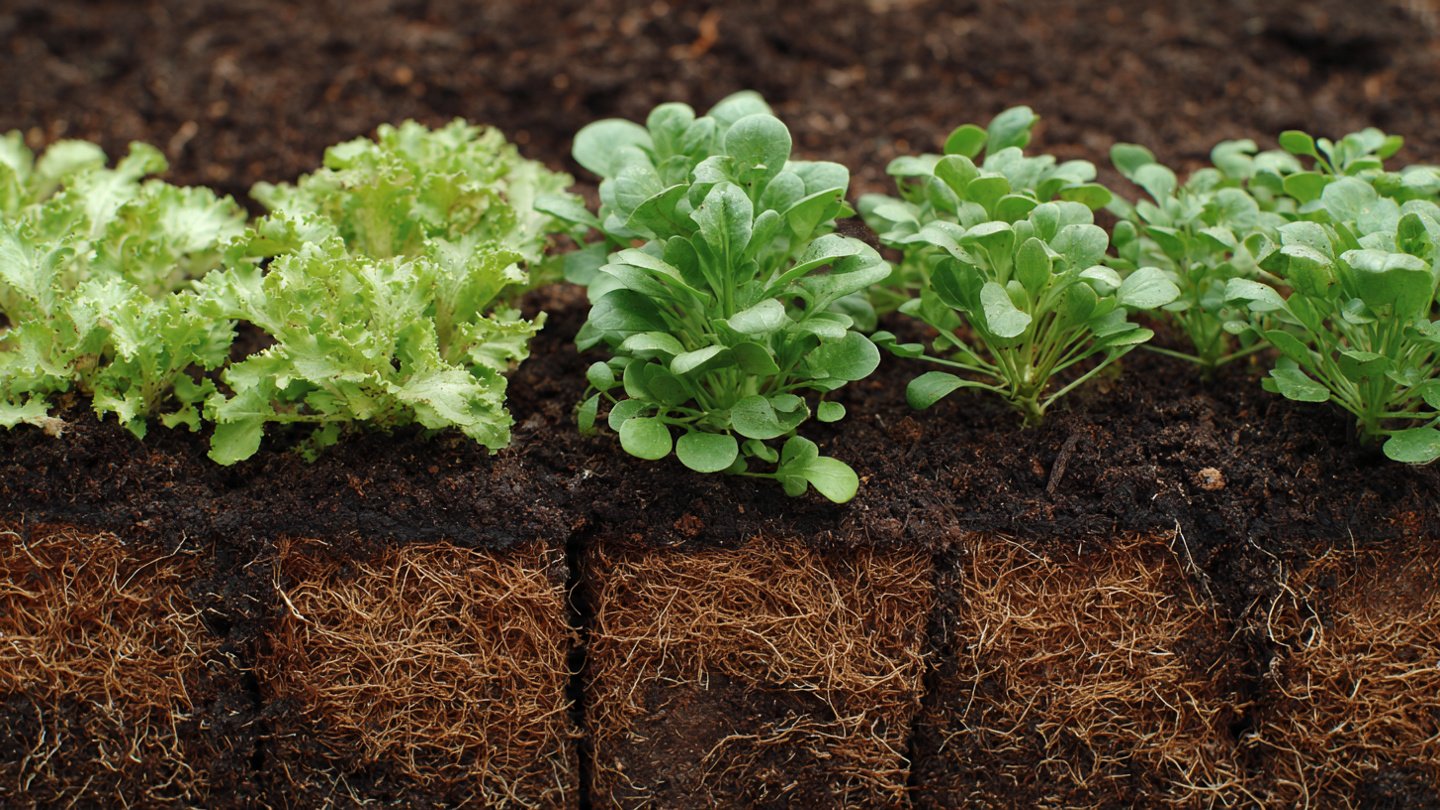
Healthy soil is the foundation of a thriving garden. No matter how carefully you select seeds, water regularly, or apply fertilizers, compacted or poorly aerated soil can stunt growth, limit nutrient uptake, and leave plants vulnerable to disease. Gardeners often overlook the simple but transformative practice of soil aeration, yet it plays a crucial role in creating a vibrant, productive garden. By understanding why your garden soil needs aeration and how to do it effectively, you can give your plants the best possible environment to grow strong and flourish.
What is Soil Aeration?
Soil aeration is the process of loosening and perforating compacted soil to improve air, water, and nutrient movement. Over time, soil naturally becomes compacted due to rainfall, foot traffic, gardening tools, and the weight of plants themselves. Compacted soil restricts root growth and prevents essential elements—like oxygen, water, and nutrients—from reaching the roots where they are needed most.
Aeration creates small holes or channels in the soil, giving roots space to expand and access vital resources. Think of it as giving your soil “breathing room,” allowing plants to thrive in a healthier, more natural environment.
Why Aeration Matters for Garden Health
- Improved Root Growth:
Roots need space to grow and spread. In compacted soil, roots struggle to penetrate, limiting their ability to anchor plants and absorb water and nutrients. Aeration reduces compaction, enabling roots to grow deeper and stronger, which supports taller, more resilient plants. - Enhanced Oxygen Availability:
Roots require oxygen for respiration, a process that fuels energy production and nutrient uptake. Compacted soil restricts airflow, causing roots to suffocate and weakening plant health. Aeration introduces fresh oxygen into the soil, revitalizing root systems and boosting overall plant vigor. - Better Water Absorption and Drainage:
Heavy, compacted soil often leads to water pooling on the surface or draining poorly, causing root rot in some areas and drought stress in others. Aerated soil absorbs water more efficiently and distributes it evenly, helping plants withstand both dry spells and heavy rains. - Improved Nutrient Uptake:
Even with the best fertilizers, plants cannot absorb nutrients effectively if the soil is dense and compacted. Aeration allows nutrients to penetrate deeper, reaching the roots directly. This results in greener leaves, healthier stems, and more robust blooms or crops. - Reduced Soil Erosion:
Compacted soil is more prone to runoff and erosion, especially during heavy rains. Aerating your garden increases soil structure and stability, reducing erosion and helping maintain fertile topsoil.
Signs Your Garden Soil Needs Aeration
Before aerating, it helps to recognize the warning signs of compacted soil:
- Water pooling or poor drainage after watering or rain.
- Patchy, weak grass or plants that fail to thrive despite proper care.
- Hard, dense soil that is difficult to dig or poke with a garden fork.
- Surface crusting on garden beds, making it hard for seedlings to emerge.
- Roots growing in shallow, horizontal patterns rather than deep and vertical.
If you notice any of these signs, your garden will likely benefit from aeration.
When to Aerate Your Garden Soil
Timing is critical for effective aeration. For most gardens:
- Spring: Aerating in early spring prepares soil for planting by improving root development and nutrient uptake.
- Fall: Aerating in the fall helps roots recover from summer stress and strengthens them before winter.
- Before Planting New Beds: Always aerate new garden beds to ensure young plants establish quickly.
Avoid aerating frozen or overly wet soil, as this can damage soil structure rather than improve it.
Methods of Soil Aeration
Several methods allow gardeners to aerate soil effectively, depending on garden size and soil type:
- Manual Tools:
- Garden Fork: Simply push a fork into the soil and wiggle it to loosen compacted areas. This is ideal for small garden beds.
- Hand Aerator: A tool with hollow tines or spikes that create small holes in the soil. Perfect for patios, raised beds, or small lawns.
- Mechanical Aerators:
- Spike Aerators: Tread over the soil with spiked rollers, creating holes for water and air. Best for larger areas with moderate compaction.
- Core or Plug Aerators: Remove small plugs of soil to reduce compaction deeply. This method is highly effective for lawns and vegetable plots with dense soil.
- Natural or Organic Aeration Techniques:
- Adding Organic Matter: Incorporate compost, leaf mold, or well-rotted manure to improve soil texture and encourage natural aeration by soil organisms.
- Cover Crops: Planting deep-rooted cover crops like radishes or clover naturally aerates soil over time. Their roots penetrate compacted layers, creating channels for water and air.
Tips for Aerating Different Soil Types
- Clay Soil: Clay tends to compact easily. Core aeration is most effective, followed by the addition of organic matter to improve drainage.
- Sandy Soil: Sandy soils are naturally loose but may still benefit from aeration to mix in nutrients and improve water retention.
- Loamy Soil: Loam is ideal for most plants, but aeration helps maintain structure and prevent occasional compaction from foot traffic.
Maintaining Aerated Soil
Aeration is most effective when combined with other good soil management practices:
- Mulching: Apply a 2-3 inch layer of organic mulch to retain moisture, regulate soil temperature, and prevent compaction.
- Regular Composting: Feeding soil with compost encourages beneficial microbial activity, which naturally aerates soil over time.
- Avoid Over-Tilling: Excessive tilling can destroy soil structure and harm beneficial organisms. Aerate gently and only as needed.
- Reduce Foot Traffic: Walkways and garden paths prevent repeated compaction of garden beds.
Benefits Beyond Plants
Aerating your garden soil doesn’t just help plants—it strengthens the entire ecosystem of your garden:
- Encourages Earthworms: Looser soil attracts earthworms, which further aerate and enrich soil naturally.
- Reduces Disease Pressure: Improved drainage and airflow reduce fungal and bacterial infections.
- Enhances Microbial Life: Soil microbes that aid nutrient cycling thrive in aerated soil.
Conclusion
Soil aeration is a simple yet transformative practice that every gardener should incorporate. By loosening compacted soil, increasing airflow, improving water and nutrient access, and encouraging healthy root systems, aeration sets the stage for stronger, more resilient plants. From vegetables to flowers and lawns, aerated soil improves growth, flowering, and productivity, while reducing disease and stress.
Whether you use a manual fork, mechanical aerator, or natural methods like compost and cover crops, the benefits are undeniable. Aerating your garden soil not only enhances plant health but also strengthens the soil ecosystem, creating a sustainable foundation for years of gardening success.
Remember, healthy soil equals healthy plants. By prioritizing aeration, you give your garden the space to breathe, grow, and thrive.