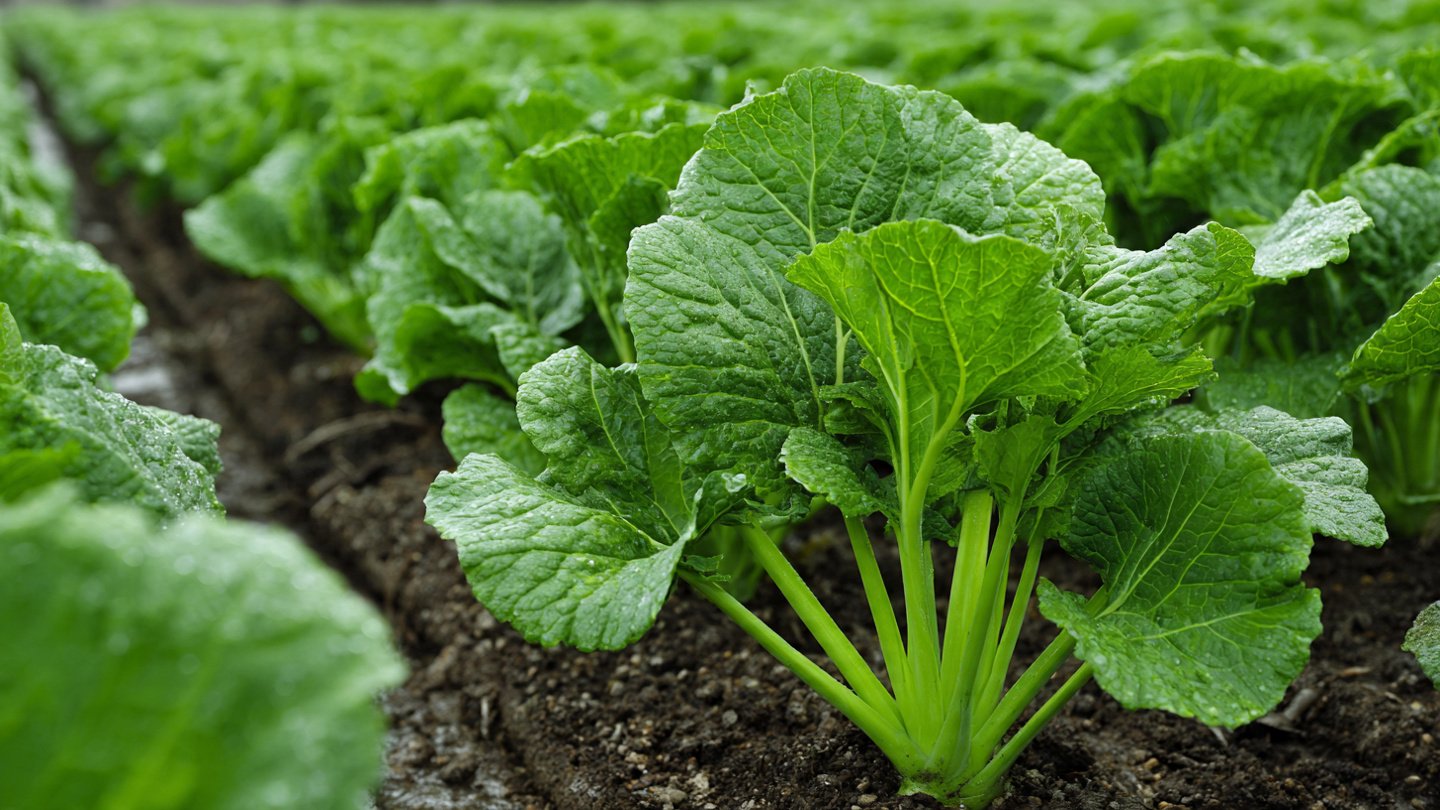
Turnip greens are a hidden gem in the world of leafy vegetables. Packed with vitamins A, C, K, calcium, and fiber, they are not only nutritious but also versatile in the kitchen. From stir-fries and soups to sautéed side dishes, turnip greens can add both flavor and health benefits to your meals. However, growing abundant, tender, and flavorful turnip greens requires more than tossing seeds into the soil. Understanding their needs and providing proper care is the key to a successful harvest.
1. Choosing the Right Variety
Before planting, selecting the right turnip variety is essential. Different varieties have varying growth habits, flavors, and hardiness. Some popular choices include:
- ‘Seven Top’ – Grows quickly and produces tender, flavorful leaves.
- ‘Tokyo Cross’ – Heat-tolerant with smooth leaves ideal for salads.
- ‘Purple Top White Globe’ – Known for both its edible roots and greens.
- ‘Scarlet Queen’ – Compact growth and fast maturity, perfect for small gardens.
Choosing a variety suited to your climate, soil, and intended use will set the stage for abundant growth.
2. Soil Preparation: The Foundation of Healthy Greens
Turnip greens thrive in loamy, well-drained soil rich in organic matter. Soil preparation is crucial for vigorous growth:
- Soil pH: Aim for a slightly acidic to neutral pH between 6.0 and 7.0.
- Fertility: Incorporate compost or well-rotted manure to provide nutrients and improve soil structure.
- Moisture retention: Adding organic matter helps the soil retain moisture while still allowing excess water to drain.
Proper soil preparation ensures strong root development, which supports healthy, leafy growth.
3. Planting and Spacing
Turnip greens are easy to grow from seed. Planting technique and spacing are critical for abundant leaves:
- Direct sowing: Sow seeds ½ inch deep and 1–2 inches apart in rows 12–18 inches apart.
- Thinning: Once seedlings reach 2–3 inches, thin to 4–6 inches apart to reduce competition for nutrients.
- Succession planting: Plant seeds every 2–3 weeks during the growing season for a continuous harvest.
Adequate spacing ensures each plant receives sufficient sunlight, water, and nutrients, which translates into larger, more tender greens.
4. Watering: Keep Soil Consistently Moist
Turnip greens thrive with consistent moisture. Dry soil leads to bitter, tough leaves, while overwatering can cause root rot or fungal diseases.
- Water deeply 1–2 times per week, depending on rainfall and temperature.
- Mulch around the base of plants to conserve moisture and regulate soil temperature.
- Avoid wetting foliage excessively to reduce the risk of fungal infections.
Maintaining balanced moisture is a cornerstone of high-quality, nutrient-rich greens.
5. Fertilization: Feed Your Greens Wisely
Turnip greens are heavy feeders, requiring adequate nutrients for optimal leaf growth:
- Nitrogen: Essential for lush, green foliage. Apply a nitrogen-rich fertilizer or compost tea every 3–4 weeks.
- Phosphorus and potassium: Support root development and overall plant health.
- Trace minerals: Micronutrients like magnesium and calcium improve leaf quality and flavor.
Regular feeding ensures that your turnip greens remain vibrant, tender, and full of nutrients.
6. Sunlight Requirements
Turnip greens prefer full sun, though they tolerate partial shade. At least 4–6 hours of direct sunlight daily is ideal:
- Too little sunlight results in slow growth and smaller leaves.
- Excessive heat can cause leaves to become bitter or bolt (flower prematurely).
For hot climates, providing afternoon shade can protect leaves from stress while still promoting growth.
7. Pest and Disease Management
Turnip greens are susceptible to several pests and diseases. Proactive management helps prevent yield loss:
- Flea beetles: Tiny insects that create small holes in leaves. Use floating row covers or organic neem oil to deter them.
- Aphids: Cluster on undersides of leaves, sucking sap. Spray with water or insecticidal soap.
- Downy mildew: A fungal disease that causes yellowing and white mold. Ensure proper spacing, air circulation, and avoid overhead watering.
Healthy plants, maintained with proper care and hygiene, are less likely to be severely affected.
8. Harvesting for Maximum Nutrition and Flavor
Harvest timing impacts both yield and nutrient content:
- Baby greens: Harvest leaves when 4–6 inches long for tender, mild flavor.
- Mature greens: Larger leaves are suitable for cooked dishes but may be slightly tougher.
- Continuous harvesting: Pick outer leaves first, leaving inner leaves to continue growing.
Regular harvesting encourages new growth, providing a longer harvest period and more consistent yields.
9. Companion Planting Benefits
Turnip greens benefit from companion planting, which improves growth and reduces pests:
- Onions, garlic, and herbs: Help deter insect pests naturally.
- Legumes: Beans or peas enrich soil nitrogen, supporting leafy growth.
- Marigolds and nasturtiums: Attract beneficial insects and repel harmful ones.
Strategic companion planting enhances soil health, pest resistance, and overall productivity.
10. Storing and Using Turnip Greens
To enjoy their full nutritional value:
- Fresh use: Rinse, trim, and cook within a few days of harvest for maximum nutrients.
- Refrigeration: Store wrapped in a damp cloth in the fridge for up to a week.
- Freezing: Blanch greens for 2 minutes, cool in ice water, and freeze for longer storage.
By handling greens properly, you preserve their flavor, texture, and nutritional content.
Final Thoughts
Cultivating abundant and nutritious turnip greens is both an art and a science. From choosing the right variety to careful soil preparation, proper watering, sunlight management, pest control, and timely harvesting, every step contributes to a thriving crop.
By following these practices, gardeners can enjoy lush, nutrient-packed turnip greens season after season. With consistent care and attention to detail, even a small garden can yield a bounty of healthy, flavorful leaves that elevate meals and nourish the body.