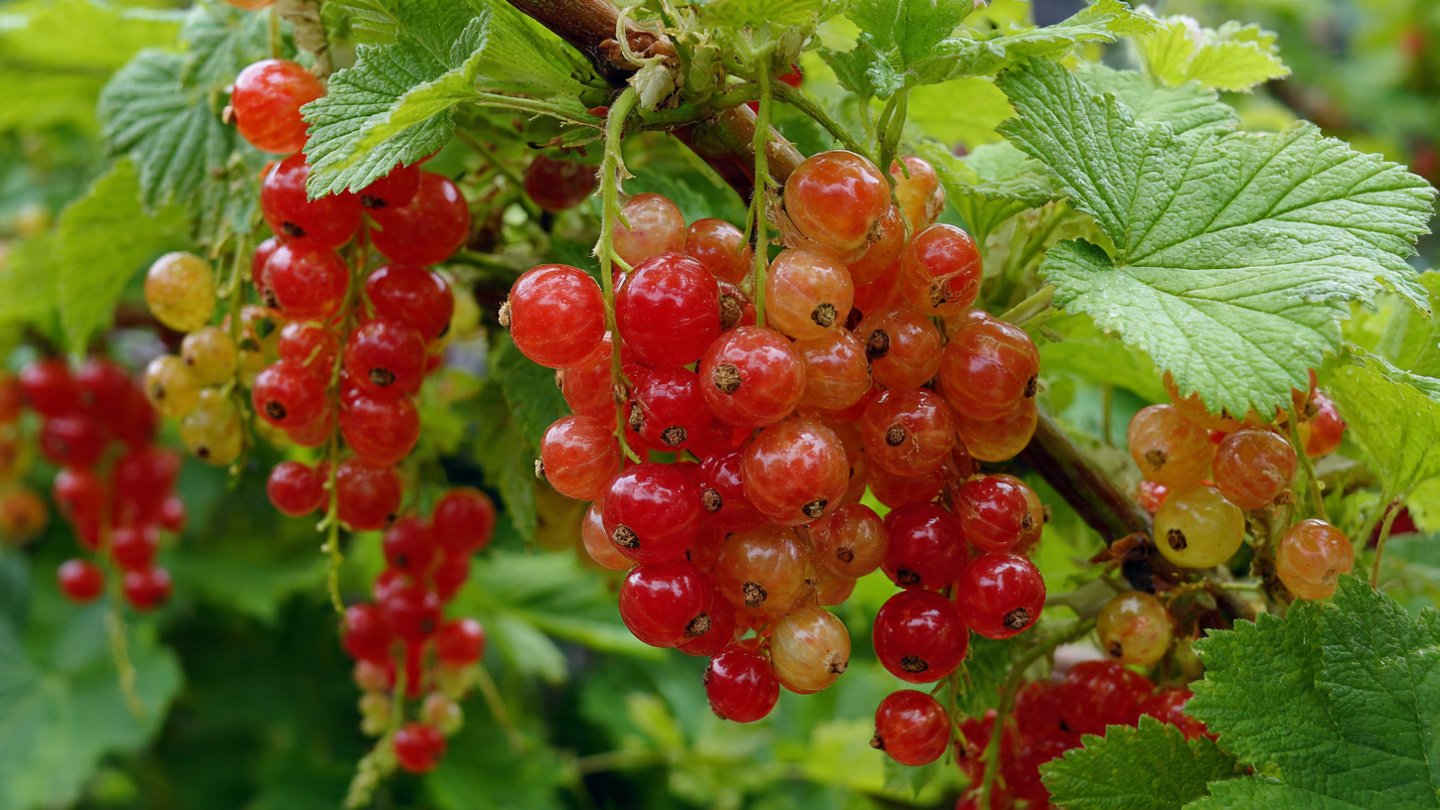
Red currants are a gardener’s delight. Their vibrant, ruby-colored clusters add beauty to the garden while offering tangy, vitamin-rich berries perfect for jams, desserts, or fresh snacking. However, many gardeners struggle to get more than a modest yield. Even healthy bushes sometimes produce sparse fruit, leaving gardeners frustrated. The good news is that with a simple trick and the right care, you can dramatically increase your red currant harvest and enjoy bountiful crops year after year.
Understanding Red Currants
Before diving into the trick, it helps to understand red currants. Scientifically known as Ribes rubrum, these shrubs are native to parts of Europe and northern Asia. They prefer cool climates, thrive in well-drained soil, and flourish when given plenty of sunlight. While they are hardy and relatively low-maintenance, maximizing fruit production requires attention to pruning, fertilization, and watering.
Red currants bloom in spring and produce fruit by early to mid-summer. Each flower cluster has the potential to become a bunch of berries, but without proper care, plants may allocate energy to foliage or flowers instead of fruit, limiting your harvest.
The Simple Trick: Strategic Summer Pruning
While many gardeners focus on winter pruning, one simple but highly effective trick to increase red currant yield is strategic summer pruning. By removing certain shoots during the growing season, you can redirect the plant’s energy into developing larger, healthier fruit clusters instead of excessive leafy growth.
Summer pruning involves cutting back long, vigorous shoots that emerge after spring growth. These are often called “water shoots” or “suckers.” They compete with fruiting branches for nutrients and sunlight, which can reduce both the size and number of berries. By selectively removing these shoots, you allow the plant to focus its resources on ripening fruit.
How to Summer Prune Red Currants
- Timing: Perform summer pruning in early to mid-June, once the flowering period is over and berries are starting to form. Avoid pruning too early, as it may remove potential fruit buds.
- Identify Competing Shoots: Look for long, upright shoots that don’t have fruit clusters or small lateral branches. These are typically vigorous and leafy but unproductive.
- Cut Strategically: Use clean, sharp pruning shears to cut these shoots back to their base or to a strong lateral branch. Avoid over-pruning—only remove 10–20% of the current growth to prevent stressing the plant.
- Maintain Airflow: Remove any crowded branches in the center of the bush. This improves light penetration and air circulation, reducing the risk of fungal diseases such as powdery mildew or leaf spot.
- Monitor Growth: After pruning, continue regular care. Water consistently and feed with a balanced fertilizer to support the remaining fruiting branches.
Additional Tips for Maximizing Red Currant Yields
While summer pruning is the single most impactful trick, combining it with other best practices ensures maximum harvests:
1. Choose the Right Variety
Some red currant varieties naturally produce more berries than others. Popular high-yielding cultivars include ‘Rovada’, ‘Jonkheer van Tets’, and ‘Red Lake’. Selecting vigorous, fruit-rich varieties provides a solid foundation for a bountiful harvest.
2. Proper Plant Spacing
Currants require adequate airflow and light. Plant bushes at least 4–5 feet apart to prevent overcrowding and ensure each bush receives sufficient sunlight. Poor spacing can lead to dense foliage and reduced fruiting, even if pruning is done correctly.
3. Fertilization
Red currants benefit from a nutrient boost during spring and early summer. Apply a balanced fertilizer rich in nitrogen, phosphorus, and potassium. Nitrogen supports leafy growth early in the season, while phosphorus and potassium are critical for flowering and fruit development.
4. Mulching
Mulching around the base of the bush helps retain moisture, suppress weeds, and regulate soil temperature. Organic mulch such as compost, straw, or shredded leaves also slowly enriches the soil, providing a natural source of nutrients.
5. Consistent Watering
Red currants need consistent moisture, particularly during flowering and fruit development. Deep watering once or twice a week is more effective than frequent shallow watering. Ensure the soil remains moist but not waterlogged, as excessive water can cause root rot and dilute berry flavor.
6. Pest and Disease Management
Common pests like aphids or currant sawflies can damage leaves and reduce fruit yield. Inspect plants regularly and remove affected leaves or branches. Organic treatments such as insecticidal soap or neem oil can help manage infestations without harming beneficial insects.
Harvesting for Maximum Flavor
Even with abundant fruit, harvest timing impacts quality. Pick red currants when they are fully colored, firm, and slightly glossy. Overripe berries may drop prematurely or ferment, while underripe berries can be too tart. Regular harvesting also encourages the bush to continue producing fruit throughout the season.
Why This Trick Works
Summer pruning works because it mimics natural growth regulation. In the wild, plants often shed competing shoots to optimize energy allocation. By pruning, gardeners artificially replicate this process, ensuring that the bush invests resources in fruiting rather than excessive foliage. The result is larger, more flavorful berries and a consistently higher yield.
A Word About Winter Pruning
While summer pruning directly impacts this year’s fruit, winter pruning remains important for long-term productivity. During dormancy, remove old or weak wood, thin crowded branches, and shape the bush for optimal light exposure. Combining winter and summer pruning creates a cycle of healthy growth and abundant harvests.
Success Stories from Home Gardeners
Many home gardeners report dramatic improvements in yield after adopting summer pruning. One gardener noted that a single bush went from producing a few small clusters to yielding enough red currants for fresh eating, jam, and freezing—all thanks to selectively cutting competing shoots during early summer.
The trick is simple, low-cost, and requires minimal equipment, yet its effect is transformative. Even gardeners with limited space can significantly boost their harvest using this method.
Conclusion
Growing a massive crop of red currants doesn’t require expensive fertilizers, complicated techniques, or fancy equipment. By understanding the plant’s natural growth habits and applying a simple trick—strategic summer pruning—you can redirect the bush’s energy into producing more, larger, and healthier berries.
Combined with proper variety selection, spacing, watering, fertilization, and pest management, this trick unlocks the full potential of your red currant bushes. The result? A bountiful harvest of vibrant, ruby-red fruit ready for jams, desserts, or fresh enjoyment straight from your garden.
With just a little knowledge and timely pruning, your red currants can flourish like never before, transforming a modest bush into a fruiting powerhouse.