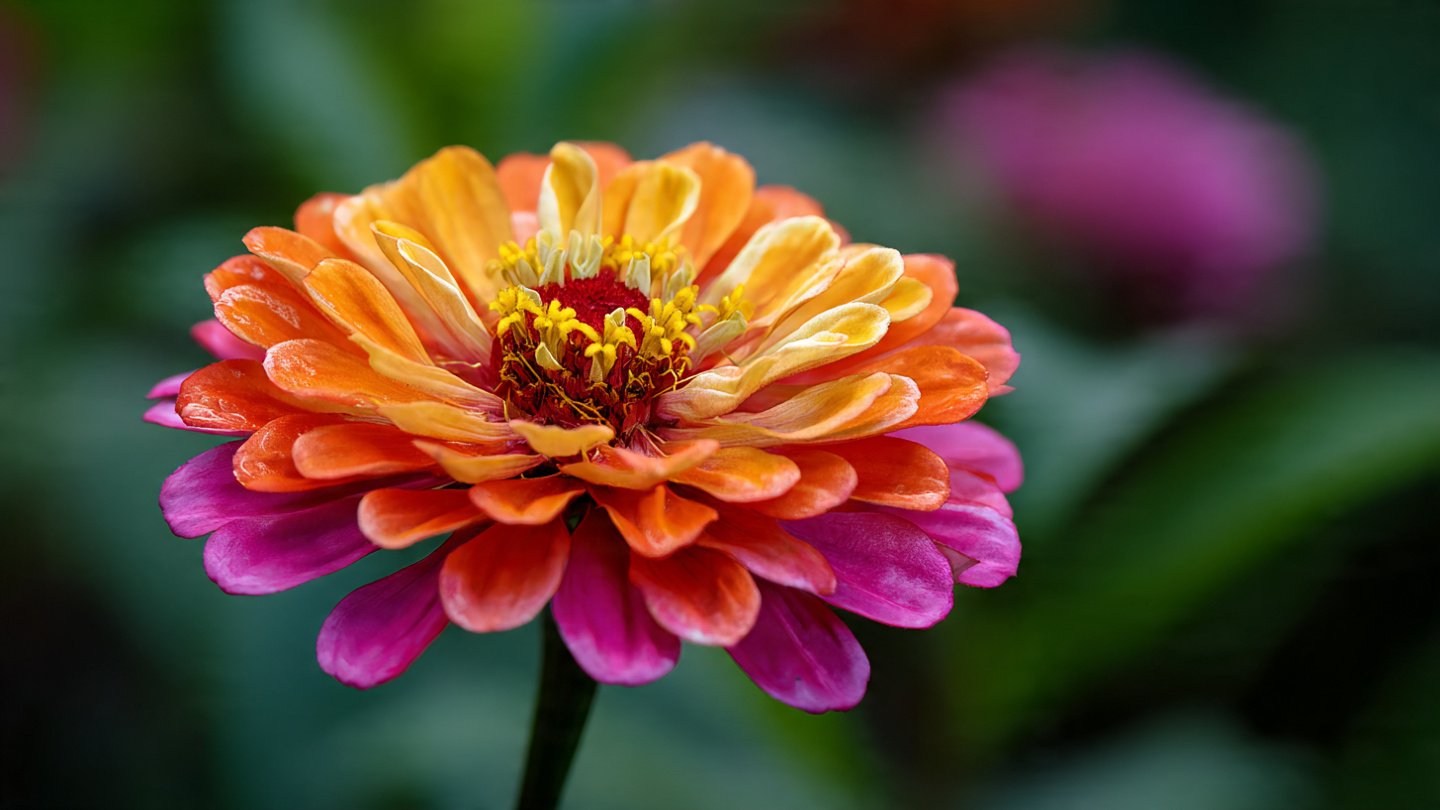
If you’ve ever strolled through a garden full of bright, cheerful zinnias, you may have noticed a curious habit among professional gardeners: they consistently deadhead their zinnias, especially in mid-summer, around July. While casual gardeners may overlook this simple task, it is a secret to vibrant, long-lasting blooms, and it explains why professionally maintained gardens often look so lush and full.
Understanding why deadheading is done—and how it benefits zinnias—can transform your own garden from sporadic flowers to a spectacular, continuous display.
What Is Deadheading?
Deadheading is the process of removing spent or faded flowers from a plant before they go to seed. In zinnias, this involves pinching or snipping off the old flower heads, leaving the plant’s stems, leaves, and new buds intact.
Deadheading serves multiple purposes:
- Encourages new blooms
- Prevents energy from going into seed production
- Maintains a neat, tidy appearance
- Reduces disease risk
In essence, deadheading tells the plant, “Keep growing and flowering,” rather than diverting energy into seeds.
Why July Is the Prime Deadheading Month
Zinnias are summer bloomers, typically flowering from early summer through the first frost. July marks the heart of the flowering season, which is why professional gardeners focus their deadheading efforts during this month.
Reasons July is key include:
- Peak Bloom Period: Zinnias produce the majority of their flowers in midsummer. Deadheading during peak bloom maximizes flower production.
- Energy Redirection: By removing faded flowers, the plant focuses its energy on creating new buds rather than developing seeds.
- Heat Stress Prevention: Summer heat can stress plants. Regular deadheading keeps the plant compact and encourages stronger growth despite high temperatures.
By targeting July, gardeners maintain continuous color and vitality throughout the height of the season.
How Deadheading Zinnias Promotes More Flowers
Zinnias, like many annuals, naturally transition from flowering to seed production if old blooms are left on the plant. When a flower goes to seed, the plant directs nutrients and energy into developing seeds rather than producing new blossoms.
Deadheading interrupts this natural cycle. By removing the spent flowers:
- The plant is tricked into thinking it hasn’t yet produced seeds.
- Hormonal signals encourage the growth of new flower buds.
- Blooming is prolonged well into late summer and early fall.
Professional gardeners rely on this simple practice to maintain gardens that are consistently full of flowers.
Step-by-Step Deadheading for Zinnias
Deadheading zinnias is simple, but proper technique ensures maximum benefit:
- Identify spent blooms: Look for flowers that are wilting, browning, or losing petals.
- Pinch or snip: Use your fingers or small garden scissors to remove the flower just above the first set of healthy leaves.
- Avoid cutting healthy buds: Be careful not to damage emerging flowers or stems.
- Dispose of removed blooms: This prevents decay and reduces the risk of fungal disease spreading.
Regular deadheading—every 5–7 days during peak bloom—keeps the plants looking tidy and encourages steady flowering.
Additional Benefits of Deadheading Zinnias
Deadheading isn’t just about prolonging blooms. It has several additional advantages:
1. Keeps Plants Healthy
Spent flowers can attract pests and harbor fungal diseases. Removing them reduces the risk of powdery mildew or leaf spots, which are common in crowded summer gardens.
2. Improves Garden Aesthetics
Deadheading maintains neat, well-manicured plants. Zinnias are often planted in borders, containers, and mass plantings, where appearance is important. Clean, vibrant blooms contribute to a visually striking garden.
3. Encourages Bushier Growth
Pinching flowers often stimulates side shoots. For zinnias, this means a bushier, fuller plant rather than tall, leggy stems.
4. Supports Pollinators
Although removing spent blooms might seem counterintuitive for pollinators, healthy, vibrant flowers attract more bees, butterflies, and hummingbirds over time. A consistently blooming plant provides a steady food source for pollinators throughout the season.
When Not to Deadhead
While deadheading is generally beneficial, there are a few situations to consider:
- Seed Saving: If you want zinnia seeds for next season, leave some blooms to go to seed.
- End-of-Season Plants: In late fall, when frost approaches, deadheading may not be necessary since plants naturally slow down and stop flowering.
- Newly Planted Seedlings: Young plants should focus on establishing roots rather than repeated flowering, so deadheading can wait until they mature.
Knowing when to deadhead versus when to let flowers remain ensures the plant’s energy is used efficiently.
Tools and Tips for Efficient Deadheading
Professional gardeners often use simple tools to speed up the process:
- Garden scissors or snips: For precise cuts on large plantings.
- Gloves: To protect hands from scratches or prickly stems.
- Buckets or bags: To collect spent flowers for disposal.
- Regular schedule: Deadhead at the same time each week to maintain consistency.
Efficiency is key when managing larger flower beds or public gardens with dozens—or hundreds—of zinnias.
Complementary Care for Zinnias in July
Deadheading works best when combined with other summer care practices:
- Watering: Keep soil evenly moist but avoid waterlogging. Morning watering reduces fungal risk.
- Mulching: Conserves moisture and keeps roots cool during hot summer days.
- Fertilization: A balanced, low-nitrogen fertilizer encourages flowering rather than excessive foliage growth.
- Sunlight: Zinnias thrive in full sun, so ensure at least 6–8 hours of sunlight daily.
Together with deadheading, these practices ensure robust growth and peak floral display.
The Impact of Consistent Deadheading
Professional gardeners deadhead consistently for one reason: results. Gardens with regular deadheading produce:
- Up to 50% more blooms than neglected plants
- Longer flowering periods, sometimes extending several weeks beyond untreated plants
- Healthier, more resilient plants with stronger stems and leaves
This simple maintenance practice transforms average flower beds into visually spectacular, long-lasting displays.
Conclusion
Deadheading zinnias in July is not just a gardening ritual—it’s a strategic technique that maximizes bloom, maintains plant health, and ensures gardens look their best during peak summer. By removing spent flowers, gardeners redirect the plant’s energy toward new buds, encourage bushier growth, and prevent disease.
For home gardeners seeking professional results, regular deadheading is the secret to vibrant, continuous flowering. Combined with proper watering, fertilization, and sunlight, this practice keeps zinnias thriving throughout summer and well into early fall.
Next time you see a perfectly blooming zinnia bed, remember: much of that success comes from careful attention to detail—like a simple July deadhead—that makes all the difference between fleeting blooms and a full, colorful garden.