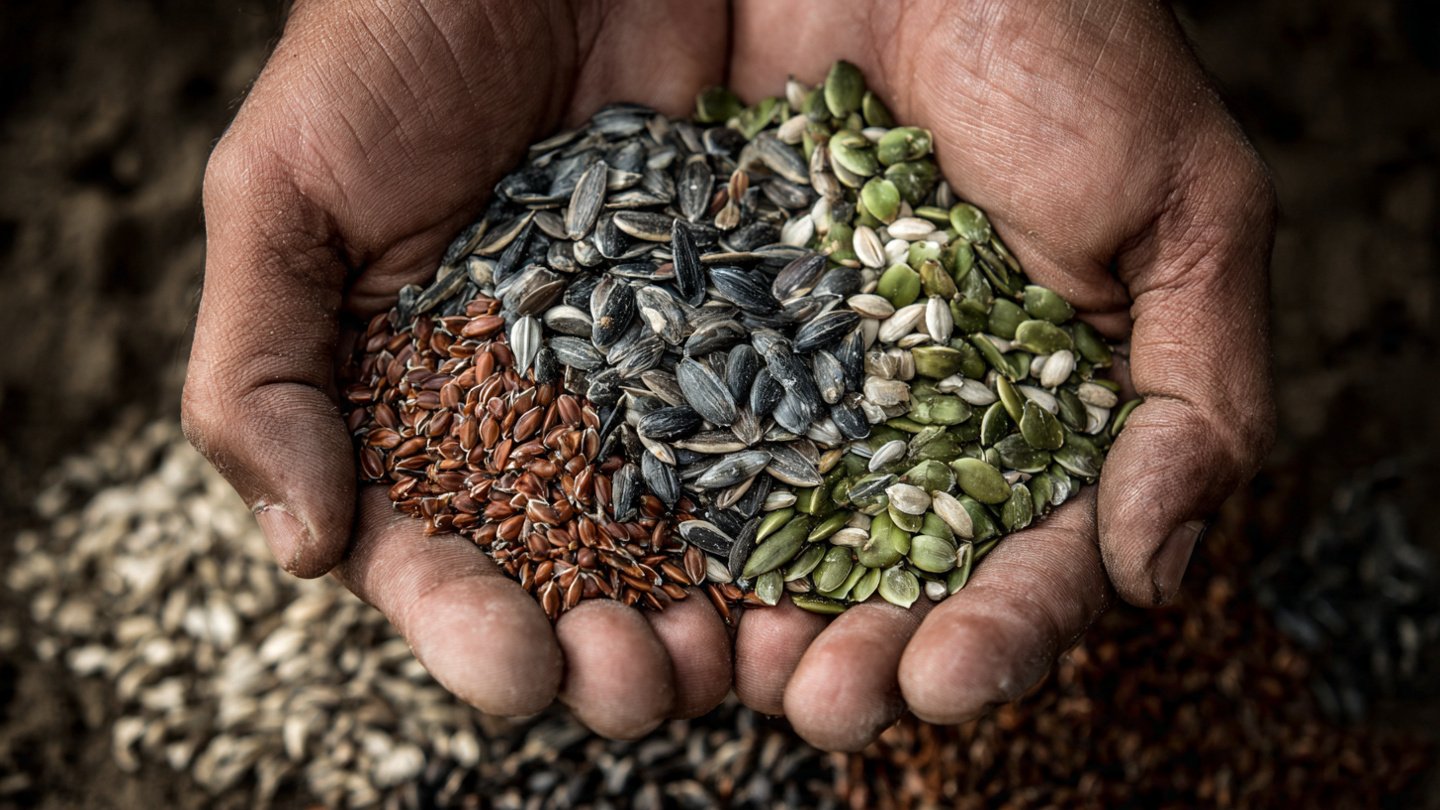
In recent years, gardeners around the world have been turning away from mass-produced hybrid seeds and embracing heirloom varieties. From juicy tomatoes to vibrant carrots and aromatic herbs, heirloom seeds promise something special: exceptional flavor. But why are so many people choosing heirloom seeds, and what makes them different from modern hybrids? The answer lies in history, genetics, and a renewed appreciation for taste and tradition.
What Are Heirloom Seeds?
Heirloom seeds are varieties of plants that have been passed down for generations, often for 50 years or more. Unlike hybrid seeds, which are bred for uniformity, disease resistance, or high yield, heirloom seeds are preserved for their unique characteristics, flavor, and adaptability to local conditions. Each heirloom plant carries a story, a legacy of the families, communities, and regions that cultivated it.
Heirloom seeds can be vegetables, fruits, herbs, or flowers. Some are rare, and many have distinctive shapes, colors, or flavors that you won’t find in store-bought produce. Growing heirloom plants connects gardeners not only with nature, but also with culinary and cultural history.
Flavor That Stands Out
The most compelling reason gardeners choose heirloom seeds is taste. Modern hybrid varieties are often bred for shelf life, transportability, and appearance. While they look uniform and survive long shipping processes, these plants sometimes sacrifice depth of flavor. Heirloom varieties, on the other hand, have been selected for flavor first. The result is produce that bursts with rich, complex tastes, making salads, sauces, and fresh eating unforgettable.
For example, heirloom tomatoes come in a kaleidoscope of colors and textures, each with a flavor profile ranging from tangy and acidic to sweet and mild. Carrots, beets, and peppers from heirloom seeds often have deeper, more intense flavors than their hybrid counterparts.
Preserving Biodiversity
Another reason gardeners are planting heirloom seeds is conservation. Many heirloom varieties are rare or endangered. By growing them in home gardens, gardeners help preserve genetic diversity that has been lost in commercial agriculture. This biodiversity is not only important for flavor and cultural heritage, but also for resilience against pests, diseases, and climate change.
Unlike monoculture crops that dominate supermarkets, heirloom varieties offer a broader genetic pool. This diversity increases the chances that some varieties will thrive even under challenging conditions, contributing to a more resilient food system.
Connection to History and Culture
Heirloom seeds are living artifacts of our agricultural history. Each seed has been nurtured over generations, often carrying traits that reflect the region or family that cultivated it. Planting heirloom seeds allows gardeners to participate in a centuries-old tradition of seed saving and stewardship. It’s a tangible way to honor the ingenuity of farmers and gardeners who came before us.
For many, growing heirloom varieties also reconnects them with family recipes and traditional dishes. Imagine harvesting a vibrant, flavorful tomato to recreate a sauce your grandparents made—heirloom seeds make that possible.
Gardening for Flavor
To maximize the flavor of heirloom plants, gardeners need to focus on soil health, sunlight, and proper watering. Unlike some hybrids that can tolerate mediocre conditions, heirloom varieties respond best to attentive care. Compost-enriched soil, consistent moisture, and plenty of sun encourage plants to express their full flavor potential. Heirloom gardening is both an art and a science, rewarding patience and observation.
Seed Saving: Continuing the Legacy
One of the unique advantages of heirloom seeds is that gardeners can save seeds from each harvest for future planting. Unlike hybrids, which often do not reliably reproduce true-to-type, heirloom plants produce offspring that carry the same characteristics as the parent. Seed saving is an empowering practice that promotes self-sufficiency and strengthens the connection between gardeners and the plants they grow.
Saving seeds also ensures that rare varieties remain in cultivation. Each gardener becomes a steward, contributing to the ongoing preservation of flavorful, resilient crops.
Community and Culinary Impact
Heirloom gardening often sparks community engagement. Seed swaps, local markets, and community gardens allow gardeners to share varieties, tips, and stories. This not only strengthens social bonds but also promotes the availability of diverse, flavorful produce in local food systems.
For chefs and home cooks, heirloom produce is a game-changer. The intense flavors and vibrant colors elevate dishes and inspire creativity in the kitchen. From farm-to-table restaurants to backyard salads, heirloom vegetables and fruits bring depth and authenticity to every meal.
Environmental Benefits
Planting heirloom seeds also has positive environmental effects. These plants are often well-adapted to their local climates and require fewer chemical inputs than conventional crops. By choosing heirloom varieties, gardeners reduce reliance on fertilizers and pesticides while supporting soil health and local ecosystems. In many cases, heirloom crops can thrive in smaller spaces, making them ideal for urban gardens, balconies, and community plots.
Why Heirloom Seeds Are More Popular Than Ever
Several trends have fueled the growing popularity of heirloom seeds. Interest in sustainable and organic gardening, the farm-to-table movement, and a renewed focus on flavor over appearance have all contributed. Additionally, the availability of heirloom seeds through seed catalogs, online marketplaces, and local cooperatives makes it easier than ever for gardeners to access these varieties.
The combination of taste, tradition, and sustainability creates a compelling reason to plant heirloom seeds today. They offer an opportunity to enjoy exceptional produce while contributing to biodiversity and cultural preservation.
Final Thoughts
Heirloom seeds are more than just plants—they are living stories, carriers of flavor, and tools for sustainable gardening. By choosing heirloom varieties, gardeners tap into centuries of cultivation knowledge, protect biodiversity, and bring extraordinary taste to their tables. Whether you’re a seasoned gardener or a beginner, heirloom seeds offer an opportunity to grow something truly unique and meaningful.
In a world dominated by mass-produced, uniform produce, heirloom seeds stand out as a reminder of the value of taste, history, and patience. Every heirloom tomato, carrot, or pepper grown in a home garden carries more than flavor—it carries legacy. And for those who savor both gardening and cuisine, planting heirloom seeds is a decision that rewards the senses, the soul, and the planet.