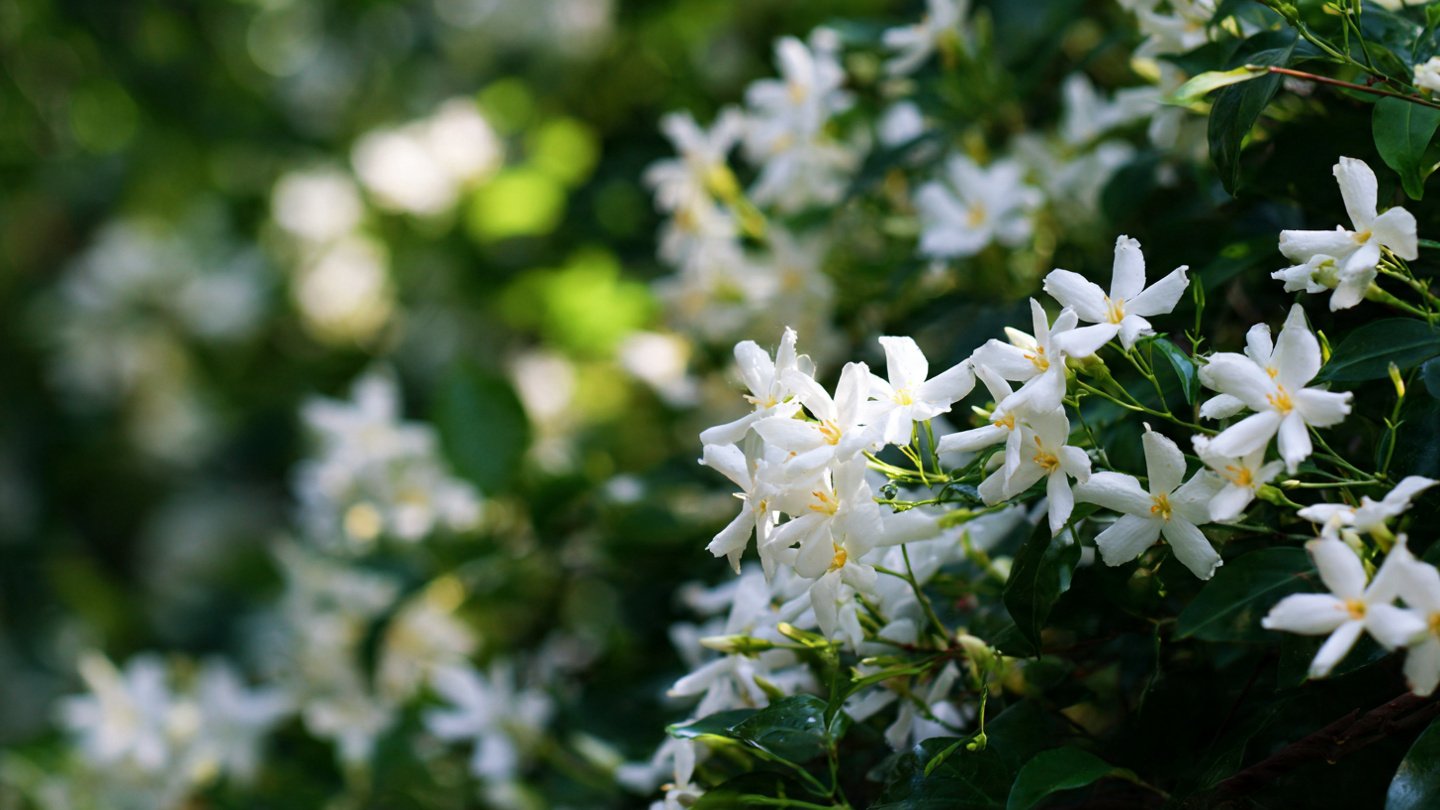
Few plants evoke as much romance and tranquility as jasmine. Its delicate white or yellow blooms and intoxicating fragrance make it a favorite for gardens, patios, and balconies. But what if you could enjoy its scent without taking up valuable ground space? The answer lies in creating a vertical jasmine garden—a living wall that brings beauty, aroma, and greenery to even the smallest areas.
Vertical gardens, also known as green walls, are increasingly popular in urban and indoor gardening because they maximize space, improve air quality, and add aesthetic appeal. By growing jasmine vertically, you can fill walls, fences, or trellises with cascading vines that release their sweet perfume day and night.
This guide will help you plan, plant, and care for a vertical jasmine garden that thrives while filling your surroundings with fragrance.
Why Choose Jasmine for a Vertical Garden?
Jasmine is ideal for vertical planting for several reasons:
- Climbing Habit: Many jasmine varieties naturally climb and twine around supports, making them perfect for trellises and walls.
- Compact Growth Options: Certain types, like Jasminum sambac or Jasminum polyanthum, adapt well to container and vertical growing.
- Long Bloom Period: With proper care, jasmine can flower for months, giving prolonged fragrance.
- Low Maintenance: Once established, jasmine is relatively hardy, drought-tolerant, and requires minimal pruning.
By selecting the right variety and providing support, you can create a garden that is both visually stunning and wonderfully aromatic.
Step 1: Choose Your Jasmine Variety
Selecting the right variety is crucial for vertical success:
- Star Jasmine (Trachelospermum jasminoides): Not a true jasmine but highly fragrant, ideal for trellises and walls.
- Arabian Jasmine (Jasminum sambac): Small, white flowers with strong scent, excellent for container vertical walls.
- Pink Jasmine (Jasminum polyanthum): Fast-growing climber, produces cascading blooms in spring.
Consider growth habits, flower size, and fragrance strength when choosing the variety for your space.
Step 2: Select a Vertical Structure
Your jasmine needs support to climb and display beautifully. Options include:
- Trellises: Wooden or metal trellises provide classic support.
- Vertical Planters: Pocket-style vertical planters allow container growing with a grid of plants.
- Walls with Wire or String: String or wire guides attached to a wall let vines weave naturally.
- Hanging Frames: Modular frames can be mounted on balconies or fences.
Choose a structure sturdy enough to hold multiple plants as they grow and mature.
Step 3: Prepare the Soil and Containers
Whether planting in the ground or containers, jasmine requires well-draining soil rich in organic matter. For vertical gardens:
- Use lightweight potting soil with added compost.
- Ensure containers have drainage holes to prevent root rot.
- Consider using felt pockets or planter boxes that allow moisture retention without waterlogging.
Healthy soil is key to vigorous growth and continuous flowering.
Step 4: Planting Your Jasmine
Planting is straightforward but requires attention to spacing and support:
- Space plants adequately to avoid overcrowding. For vertical walls, 12–18 inches between plants is ideal.
- Position the root zone at the base of your trellis or support system.
- Gently tie young vines to guides or twine to encourage upward growth.
Regular monitoring ensures vines attach naturally and begin climbing efficiently.
Step 5: Training and Pruning for Vertical Growth
Proper training encourages lush growth and abundant blooms:
- Training: As the vines grow, weave them along wires, trellis slats, or frame grids.
- Pruning: Trim after flowering to maintain shape, remove dead stems, and encourage side shoots.
- Thinning: Remove excessive growth to prevent shading of flowers and improve airflow.
Well-trained vines result in a dense, fragrant wall without overcrowding or tangling.
Step 6: Watering and Fertilization
Vertical gardens dry out faster than ground beds, so consistent care is essential:
- Watering: Keep soil evenly moist, especially for container-based vertical walls. Avoid overwatering to prevent root rot.
- Fertilization: Feed jasmine monthly during the growing season with a balanced liquid fertilizer or slow-release organic fertilizer.
- Mulching: Apply a thin layer of mulch in containers to retain moisture and regulate soil temperature.
Proper hydration and nutrition support continuous flowering and strong growth.
Step 7: Maximizing Fragrance
To enjoy jasmine’s scent fully:
- Position your vertical garden near seating areas, balconies, or windows.
- Ensure adequate sunlight—most jasmine varieties require at least 4–6 hours of bright, indirect sunlight.
- Encourage air circulation around the vines, which releases aromatic compounds more effectively.
The right combination of placement, light, and airflow creates a garden that delights the senses.
Step 8: Protecting Your Jasmine
Pests and diseases can affect vertical jasmine gardens:
- Common Pests: Aphids, mealybugs, and spider mites. Use natural insecticidal soap or neem oil.
- Fungal Issues: Powdery mildew can appear in poorly ventilated areas; prune densely packed vines for better airflow.
- Winter Protection: Some jasmine varieties are sensitive to frost. Container plants can be moved indoors, while others may need mulch protection.
Monitoring and preventative care ensure your vertical garden stays healthy year-round.
Step 9: Combining Plants for a Rich Vertical Display
Vertical gardens don’t have to be exclusively jasmine. Pairing plants enhances both aesthetics and fragrance:
- Companion Plants: Ferns, ivy, or trailing begonias complement jasmine foliage.
- Layered Fragrance: Mix night-blooming jasmine with scented foliage like lemon balm or lavender for multi-season aroma.
- Color Contrast: Use flowering plants with different colors to accentuate jasmine’s white or pink blooms.
Thoughtful combinations create a dynamic and visually appealing green wall.
Benefits of a Vertical Jasmine Garden
Creating a vertical jasmine garden provides multiple advantages:
- Space Efficiency: Ideal for small patios, balconies, or urban apartments.
- Sensory Delight: Continuous fragrance elevates the atmosphere of your space.
- Air Quality: Plants improve air circulation and filter pollutants.
- Privacy and Aesthetics: Vertical walls can act as screens while beautifying the area.
- Sustainable Gardening: Container or vertical planting reduces soil disturbance and encourages conservation.
The result is a functional, beautiful, and aromatic garden that maximizes both space and sensory enjoyment.
Conclusion
Designing a scented vertical jasmine garden is both an art and a science. By choosing the right variety, providing a supportive structure, and attending to watering, pruning, and training, you can create a living wall that’s bursting with fragrance and life.
Vertical gardens allow even small spaces to flourish, bringing the romance and charm of jasmine to patios, balconies, or indoor walls. With patience and care, your vertical jasmine garden will become a centerpiece that delights the eyes, fills the air with scent, and transforms any space into a fragrant oasis.
Whether you’re a seasoned gardener or just starting, vertical jasmine planting offers a rewarding way to merge beauty, fragrance, and space-efficient greenery. Step by step, you can grow upwards, turning walls into living, scented works of art.