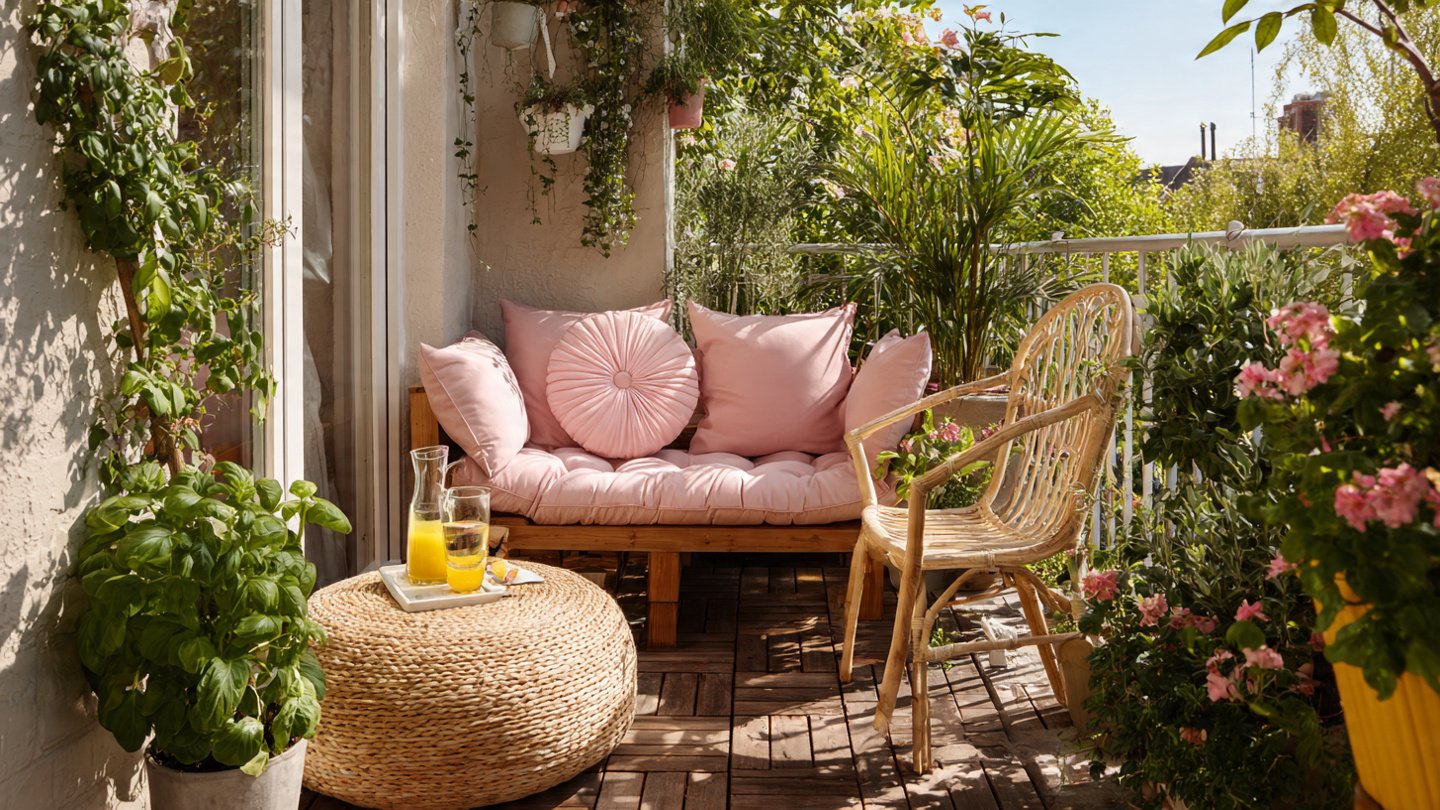
A balcony can be more than just a place to hang laundry or store extra chairs—it has the potential to become a serene, stylish retreat that rivals professional garden layouts. Transforming your balcony into a stunning magazine-worthy space isn’t just about planting flowers; it’s about combining design, function, and personality in a compact outdoor area.
Whether you’re a city dweller with limited space or someone looking to elevate your outdoor aesthetic, creating a balcony garden that looks professional requires planning, creativity, and a few key strategies.
1. Start with a Clear Vision
Before bringing plants, furniture, or décor onto your balcony, decide what you want the space to feel like. Do you envision:
- A lush, tropical oasis?
- A minimalist Zen retreat?
- A cozy nook for morning coffee and evening relaxation?
Creating a clear vision helps guide your choice of plants, furniture, and decorative elements. Professional designers often sketch layouts or create mood boards to ensure every element aligns with the desired aesthetic.
2. Optimize Your Space
Balconies are often narrow or irregularly shaped, so space management is crucial. Maximize every inch by:
- Using vertical planters and wall-mounted shelves to free up floor space.
- Choosing multi-functional furniture, like benches with storage or foldable tables.
- Grouping plants at varying heights to create depth and visual interest.
The goal is to make the balcony feel open and inviting, not cluttered.
3. Choose Plants That Thrive in Your Conditions
The most magazine-worthy balconies feature healthy, vibrant plants. Start by evaluating your light exposure:
- Full Sun: Opt for sun-loving plants like geraniums, succulents, lavender, and herbs.
- Partial Shade: Consider ferns, begonias, impatiens, or caladiums.
- Full Shade: Choose plants like ivy, hostas, or fuchsia.
Incorporating a mix of textures, colors, and plant heights adds richness to your balcony. Hanging plants, trailing vines, and tall vertical greenery create a layered, dynamic look that feels natural yet curated.
4. Select Stylish Containers
Planters are more than functional—they’re key design elements. Professional balcony gardens often feature a cohesive container scheme:
- Stick to a color palette (neutral tones or bold contrasts).
- Mix materials like ceramic, stone, terracotta, and wood.
- Consider shapes and heights to complement plant arrangement.
For a high-end look, elevate plants with plant stands or stack smaller pots on tiered shelving to create visual hierarchy.
5. Incorporate Comfortable Furniture
A balcony is not just a garden—it’s a living space. Even in small areas, a comfortable seating arrangement can make a dramatic difference:
- A small bistro set works for cozy dining or coffee breaks.
- A cushioned bench or chaise lounge encourages relaxation.
- Add soft throws or outdoor cushions in complementary colors to tie the space together.
Balcony furniture should be weather-resistant but stylish, blending seamlessly with your greenery.
6. Use Lighting for Atmosphere
Lighting is a critical element in creating a magazine-ready feel. The right illumination transforms your balcony after dark:
- String lights or fairy lights add warmth and a whimsical touch.
- Lanterns or candle holders create intimacy and charm.
- LED spotlights or solar-powered uplights highlight focal plants or decorative features.
Warm white lights, rather than harsh cool tones, give the balcony a cozy, inviting glow—perfect for evening enjoyment or entertaining guests.
7. Add Decorative Accents
To achieve a curated, high-end appearance, incorporate decorative elements:
- Outdoor rugs define seating zones and add color or texture.
- Mirrors or reflective panels make the space feel larger.
- Small sculptures, water features, or bird feeders provide interest.
- Wall art or trellises enhance vertical space without crowding the floor.
The key is moderation; select a few impactful items rather than overloading the balcony with clutter.
8. Maintain Balance and Flow
Magazine-worthy balcony gardens are harmonious. Pay attention to proportion, symmetry, and movement:
- Arrange taller plants toward corners or the back, with shorter plants in front.
- Mix trailing plants with upright varieties to create a natural flow.
- Repeat colors or textures to create cohesion and prevent visual chaos.
This thoughtful placement makes the balcony feel intentionally designed rather than randomly decorated.
9. Ensure Easy Maintenance
A stunning balcony garden is sustainable when it’s easy to maintain:
- Group plants with similar water and light needs.
- Use self-watering planters or drip irrigation for convenience.
- Regularly prune and clean foliage to keep plants vibrant and healthy.
Low-maintenance greenery like succulents, herbs, or hardy perennials ensures your balcony remains attractive year-round without constant upkeep.
10. Personalize the Space
Finally, add touches that reflect your personality:
- Display favorite books, magazines, or small personal treasures.
- Include fragrant plants for a sensory experience.
- Rotate seasonal plants or décor to keep the space fresh and dynamic.
Personalized touches elevate a balcony from simply beautiful to truly magazine-worthy, making it a reflection of you.
Conclusion
Transforming a balcony garden into a stunning, professional-looking space is achievable with careful planning and attention to detail. From selecting the right plants and containers to incorporating lighting, furniture, and décor, every element contributes to a cohesive, inviting outdoor retreat.
With layered greenery, stylish accents, and thoughtful maintenance, even the smallest balcony can feel expansive, luxurious, and ready to impress—whether for personal enjoyment or magazine-worthy photographs. Your balcony isn’t just a patch of outdoor space; it’s a canvas waiting for creativity, comfort, and natural beauty.