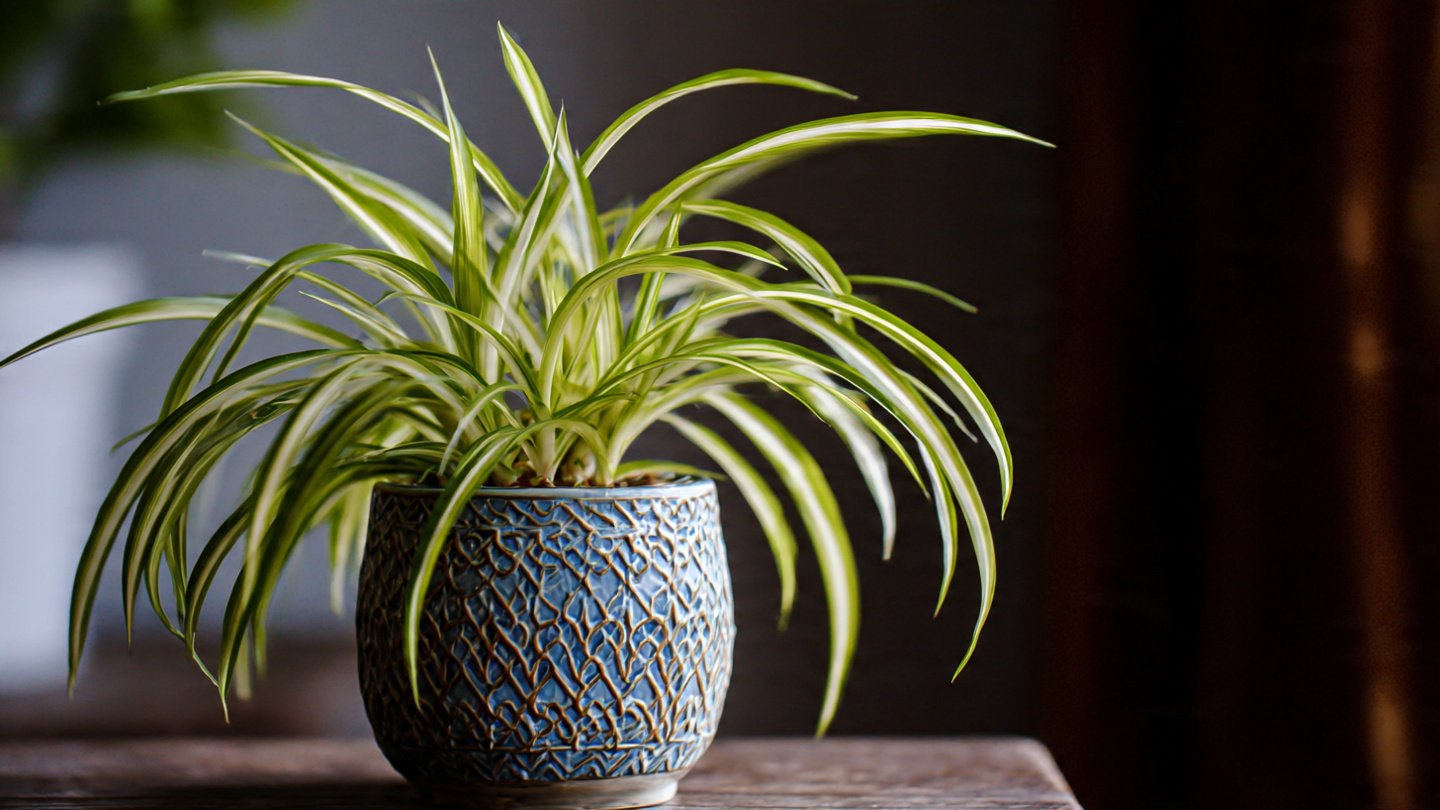
For both novice and experienced plant lovers, the spider plant (Chlorophytum comosum) has earned a reputation as one of the easiest indoor plants to grow. Its lush, arching leaves, charming baby “spiderettes,” and forgiving nature make it a favorite in homes, offices, and classrooms. But what exactly makes this plant so resilient and beginner-friendly? Understanding the traits and care requirements of spider plants can help anyone cultivate a thriving indoor garden with minimal effort.
A Plant Built for Resilience
Spider plants are native to southern Africa, where they evolved in variable light and temperature conditions. This adaptability translates perfectly to indoor environments. Unlike more delicate tropical plants, spider plants tolerate a range of conditions, including lower light, fluctuating temperatures, and occasional lapses in watering. This natural resilience is one of the key reasons they’re so easy to maintain.
They also have robust root systems that recover quickly from minor stress, such as overwatering or pot movement. Even if the tips of the leaves brown due to inconsistent watering, the plant often bounces back once proper care is resumed.
Minimal Light Requirements
One of the biggest obstacles for indoor gardening is providing enough light. Many houseplants struggle in low-light conditions, requiring bright, indirect sunlight to thrive. Spider plants, however, are exceptionally forgiving. They grow well in medium to bright indirect light but can even survive in lower light spots, making them perfect for apartments, offices, or rooms with limited natural light.
Of course, while spider plants tolerate lower light, brighter indirect sunlight encourages fuller growth and more abundant spiderettes. This flexibility allows indoor gardeners to place the plant almost anywhere without worry.
Watering Made Simple
Overwatering and underwatering are common mistakes for beginner plant owners. Spider plants are surprisingly forgiving when it comes to watering schedules. They prefer the soil to dry slightly between waterings but can withstand short periods of drought or neglect.
A good rule of thumb is to water when the top inch of soil feels dry. During winter, water less frequently, while summer growth may require more regular watering. This forgiving nature reduces the risk of plant stress or sudden decline, making spider plants ideal for busy or forgetful gardeners.
Rapid Growth and Propagation
Another reason spider plants are popular is their rapid growth. Under proper care, they produce long arching leaves and baby plants—called spiderettes—throughout the growing season. These tiny offshoots are easily rooted in water or soil, allowing gardeners to create new plants effortlessly.
This ability to propagate quickly makes spider plants not only easy to grow but also easy to share. Many people gift spiderettes to friends, family, or coworkers, spreading greenery and joy with minimal effort.
Air-Purifying Benefits
Beyond their resilience and beauty, spider plants also improve indoor air quality. NASA studies on air-purifying plants found that spider plants can remove harmful toxins like formaldehyde and xylene from indoor environments. This means your easy-to-grow plant doesn’t just look good—it actively contributes to a healthier living space.
For beginner gardeners, this added benefit creates a sense of accomplishment. You’re not only cultivating a beautiful plant, but also enhancing your home’s air quality with minimal maintenance.
Pest Resistance
Many houseplants are susceptible to pests such as aphids, mealybugs, or spider mites. Spider plants, however, are naturally resistant to most common indoor pests. Occasional infestations may occur, particularly if the plant is stressed, but they are relatively rare and easily managed with basic plant care techniques.
This resistance reduces the need for pesticides or intensive monitoring, making spider plants an ideal choice for those just starting their indoor gardening journey.
Adaptability to Containers and Spaces
Spider plants are also highly versatile when it comes to containers. They thrive in hanging baskets, traditional pots, or even decorative planters. Their trailing foliage makes them particularly attractive in hanging setups, allowing leaves to cascade gracefully while keeping the plant healthy.
They’re also suitable for various indoor spaces—from small apartments to large rooms—because their roots are non-aggressive and do not require constant repotting. Occasional repotting every 1–2 years is enough to keep the plant thriving.
Tips for Keeping Your Spider Plant Thriving
Even though spider plants are forgiving, following a few simple care tips ensures peak growth and vitality:
- Light: Place in bright, indirect sunlight for optimal growth, but low light is acceptable.
- Watering: Water when the top inch of soil is dry. Reduce watering in winter.
- Soil: Use well-draining potting soil.
- Humidity: Average indoor humidity is sufficient, though occasional misting encourages lush leaves.
- Fertilizer: Feed with a balanced liquid fertilizer every 4–6 weeks during the growing season.
- Propagation: Trim off spiderettes and root them in water or soil to create new plants.
- Leaf Care: Remove brown tips or damaged leaves to maintain aesthetics and overall plant health.
By following these basic guidelines, even someone with minimal gardening experience can enjoy a thriving, decorative, and beneficial houseplant.
Decorative and Functional Value
Spider plants are not just functional—they’re visually appealing. Their arching, variegated leaves provide texture and color contrast, enhancing interior decor. The ability to trail or drape the foliage makes them excellent choices for shelves, hanging baskets, and windowsills.
Additionally, the production of spiderettes adds dynamic movement to indoor greenery. Watching the plant grow and propagate offers a rewarding experience for gardeners, creating a tangible sense of achievement without the need for complex care routines.
Final Thoughts
The spider plant has earned its reputation as one of the easiest indoor plants to grow for good reason. Its resilience, adaptability, minimal care requirements, pest resistance, and rapid growth make it ideal for beginners and busy plant enthusiasts alike. Beyond ease of care, spider plants also purify indoor air, propagate readily, and add natural beauty to any space.
Whether you’re a first-time plant owner or a seasoned gardener looking for a low-maintenance option, the spider plant is a reliable and rewarding choice. With minimal effort, you can cultivate a vibrant, thriving plant that not only brightens your home but also contributes to a healthier indoor environment.