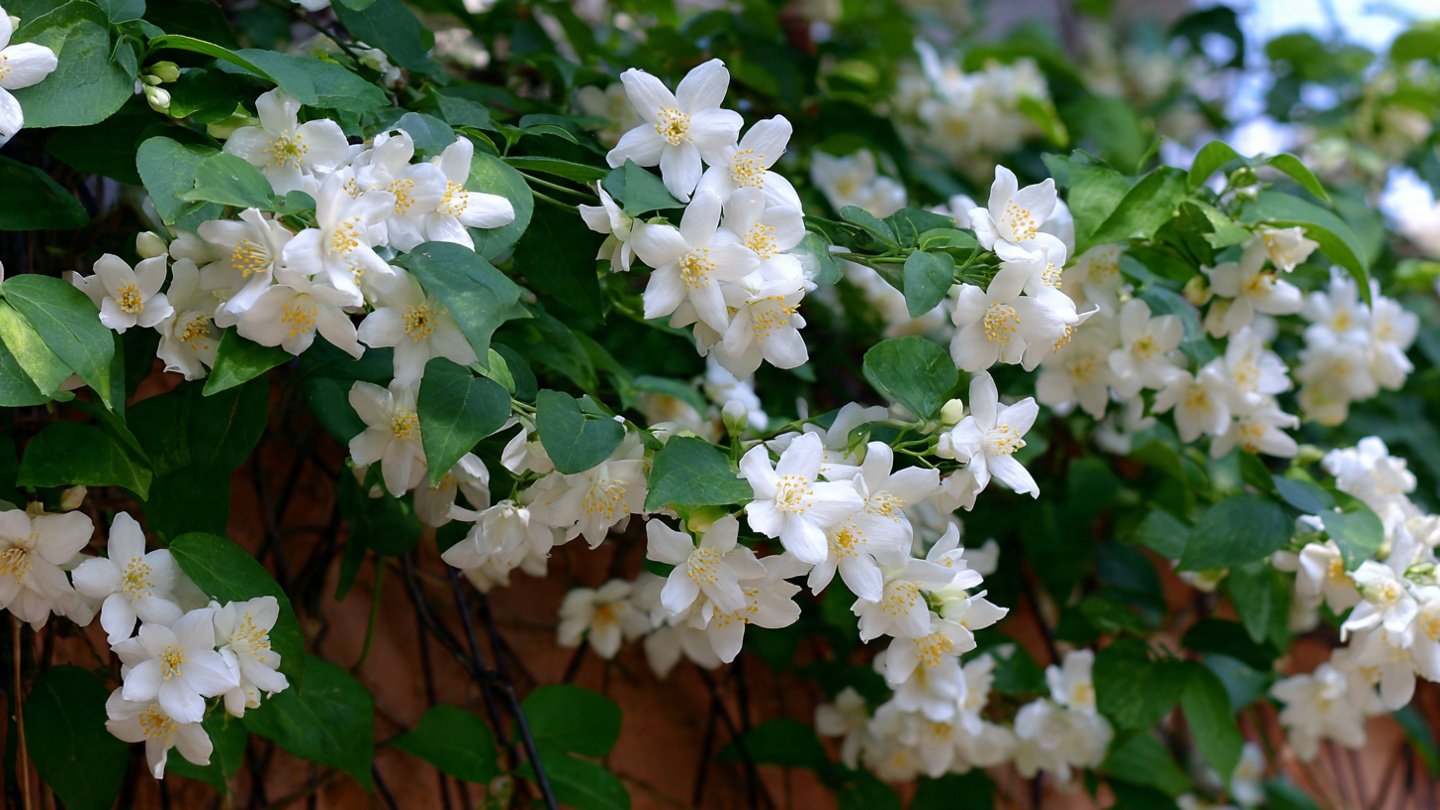
There’s something magical about the scent of jasmine drifting through the air—sweet, calming, and instantly transporting. Imagine being able to enjoy that fragrance every day, even in a small outdoor space or balcony. A vertical garden of jasmine not only brings aromatic delight but also maximizes space, adds greenery, and creates a stunning visual feature. By growing upward, you can turn walls, fences, and trellises into living tapestries of scent and beauty. In this article, we’ll explore how to create a vertical jasmine garden, from plant selection and structure design to care tips and seasonal maintenance.
Why Jasmine is Perfect for Vertical Gardens
Jasmine is a climber by nature, making it ideal for vertical spaces. Its twining stems, lush foliage, and profuse blossoms make it both visually attractive and fragrant. In addition, jasmine is relatively low-maintenance once established and adapts well to containers, trellises, or walls.
Benefits of using jasmine in vertical gardens include:
- A constant, natural fragrance in your living space
- Dense foliage that can act as a privacy screen
- Seasonal blooms that create dynamic visual appeal
- Attracting pollinators such as bees and butterflies
Choosing the Right Jasmine Variety
There are many jasmine varieties, but not all are suited for vertical gardens. Selecting the right type ensures optimal growth, fragrance, and bloom timing. Some popular options include:
- Common Jasmine (Jasminum officinale): Strong fragrance, white flowers, vigorous climber
- Star Jasmine (Trachelospermum jasminoides): Evergreen, fragrant, ideal for trellises and walls
- Arabian Jasmine (Jasminum sambac): Intense scent, suitable for pots and smaller spaces
- Italian Jasmine (Jasminum humile): Hardy and fast-growing, with yellow blooms
Consider your climate, space, and desired fragrance intensity when choosing a variety. Star Jasmine, for example, thrives in warmer climates and tolerates container growth, making it perfect for balconies.
Planning Your Vertical Structure
A vertical garden needs a strong structure to support climbing plants. Depending on your space, options include:
- Trellises: Simple and elegant, perfect for walls or freestanding setups
- Wall-mounted wire grids: Minimalist option that allows stems to twine naturally
- Wooden lattice panels: Adds rustic charm and easy integration with containers
- Hanging pockets or vertical planter towers: For smaller balconies or patios
When planning, ensure the structure can support mature jasmine plants and allows for airflow to prevent fungal issues.
Planting Jasmine in Vertical Gardens
The foundation of a thriving vertical jasmine garden is the planting stage. Steps include:
- Choose suitable containers: For balcony setups, use deep pots or planter boxes with good drainage
- Use nutrient-rich soil: Jasmine prefers well-draining soil rich in organic matter
- Position for sunlight: Most jasmine varieties need at least 4–6 hours of direct sunlight daily
- Anchor the plant: Train young stems to climb your trellis or support system gently using soft ties
- Water consistently: Keep the soil moist but not waterlogged, especially during the growing season
Early care during planting ensures strong establishment and encourages dense foliage.
Training and Pruning for Vertical Growth
Jasmine requires regular training and pruning to maintain a neat, vertical appearance:
- Tie stems loosely: Use soft ties or twine to guide new shoots along your support structure
- Prune after flowering: Remove old or weak stems to encourage new growth and more blooms
- Thin crowded areas: This improves airflow and prevents fungal infections
- Shape the plant: Decide whether you want a formal, straight climbing pattern or a natural cascading look
Consistent training helps the plant reach full height without becoming unruly and maximizes fragrance release.
Maximizing Fragrance
To enjoy the full aromatic potential of jasmine:
- Plant near areas where people gather, such as patios, balcony seating, or walkways
- Combine different blooming varieties to extend the fragrance season
- Position plants to receive morning sunlight, which can intensify scent release
- Avoid over-fertilizing with nitrogen-heavy fertilizers, which may boost foliage growth at the expense of flowers
Fragrance is strongest during warmer months, so thoughtful placement enhances the sensory experience.
Companion Plants for Added Appeal
Adding companion plants can enhance both aesthetics and biodiversity. Consider:
- Climbing roses or honeysuckle: Complement jasmine with color and scent variety
- Trailing ivy or ferns: Provide greenery and soft texture at the base
- Herbs like mint or lemon balm: Add fresh scents that layer with jasmine’s fragrance
Companion planting also benefits pollinators and encourages a thriving micro-ecosystem within your vertical garden.