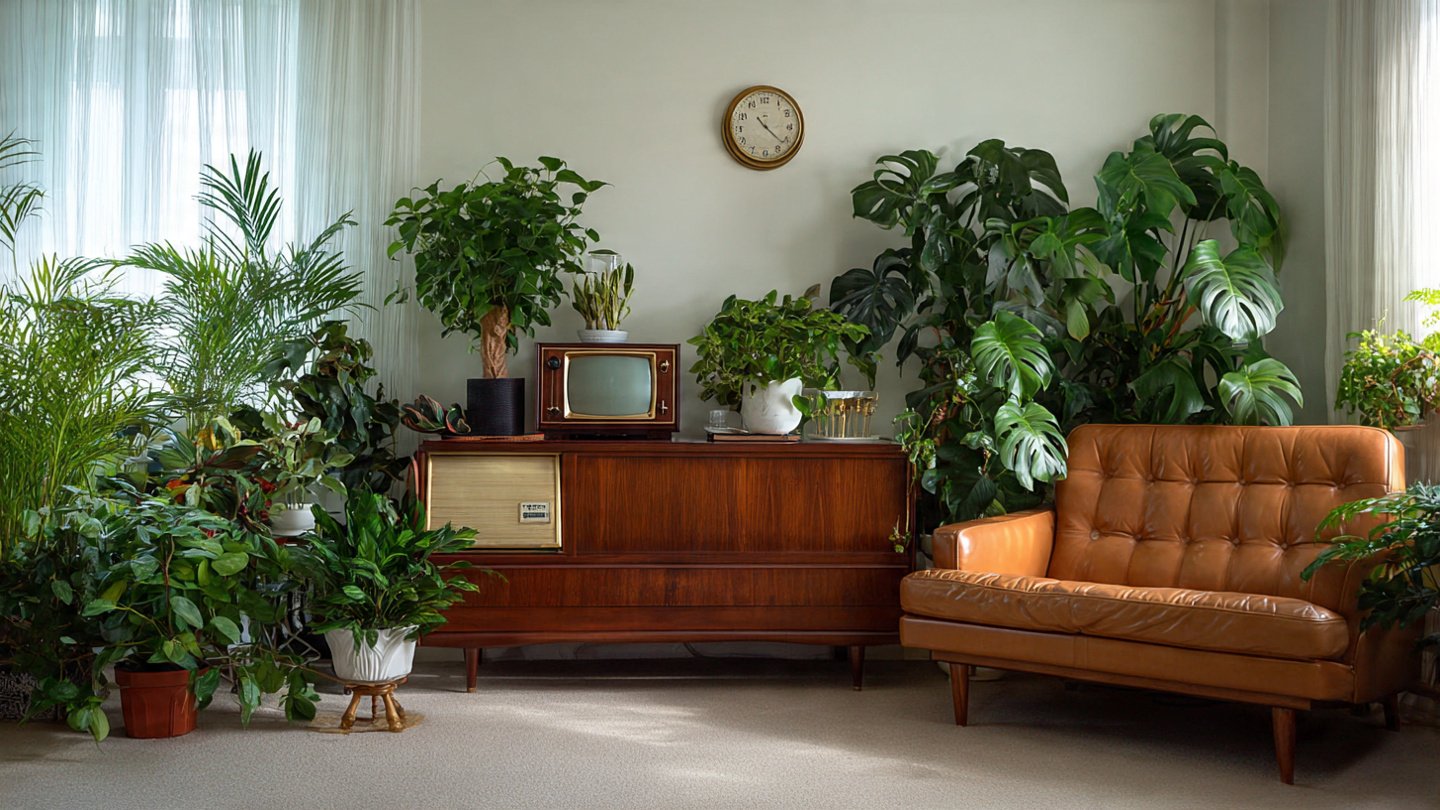
Indoor plants have long been cherished for their ability to brighten a space, purify the air, and bring a touch of nature indoors. But beyond these benefits, the way you arrange your plants can dramatically alter the look, feel, and energy of a room. Specifically, grouping plants together—rather than scattering them individually—can create a living, breathing centerpiece, transforming your living room into a lush, vibrant sanctuary.
If you’ve ever wondered whether your greenery could do more than sit quietly in a corner, the answer is yes. Grouping plants strategically can elevate interior design, improve mood, and even encourage healthier growth for the plants themselves.
Why Grouping Plants Works
Plants, like people, thrive in communities. In the wild, they often grow in clusters rather than in isolation. Mimicking this natural tendency indoors can make your living room feel more cohesive and intentional. A cluster of plants creates visual impact: the eye is drawn to the group as a single feature, rather than being distracted by individual pieces scattered throughout the room.
Grouping also allows you to play with textures, heights, and colors. A tall fiddle leaf fig next to a trailing pothos and a bushy fern can create a layered, dynamic composition. The diversity of shapes and shades adds depth, turning a collection of plants into a living piece of art.
Choosing the Right Plants for Your Group
Not all plants are best suited for group arrangements. When choosing plants to cluster together, consider their light, water, and humidity requirements. Grouping plants with similar needs simplifies care, making it easier to maintain healthy, thriving greenery.
For example:
- High-light plants: succulents, cacti, and some palms thrive in sunny spots.
- Medium-light plants: monstera, snake plants, and rubber plants do well in filtered light.
- Low-light plants: ferns, peace lilies, and ZZ plants adapt to corners or dimly lit areas.
Combining different sizes and textures adds interest. Pairing a tall, sculptural plant with smaller, bushier ones creates a sense of balance. Trailing plants like pothos or string-of-pearls can soften the edges of shelves or tables, connecting elements within the room.
Creating a Focal Point
One of the greatest advantages of plant grouping is its ability to establish a focal point in a living room. A single large plant or a carefully curated cluster can replace traditional artwork, adding both beauty and life to the space. Place your plant arrangement near a window, beside a couch, or in an empty corner to draw attention naturally.
Grouping plants at varying heights enhances the effect. Use plant stands, shelves, or hanging planters to elevate some plants while keeping others closer to the floor. This layered approach creates visual intrigue and encourages movement through the space.
Psychological Benefits of Plant Clusters
Beyond aesthetics, grouped plants influence mood and well-being. Studies show that being around greenery reduces stress, improves concentration, and even boosts creativity. When plants are clustered together, their collective presence amplifies these effects. A living wall of greenery can transform a sterile or cluttered room into a relaxing, energizing retreat.
Additionally, clusters encourage mindfulness. Watering, pruning, and rearranging plants can become a meditative routine. Engaging with a well-planned plant display promotes a deeper connection with nature and with your home environment.
Tips for Styling Plant Groups
To maximize impact, consider these styling strategies:
- Balance Sizes: Mix tall, medium, and small plants to create a natural rhythm. Avoid placing all large plants together, which can feel top-heavy.
- Mix Textures: Combine smooth-leaved plants like philodendrons with feathery ferns or spiky succulents for contrast.
- Coordinate Colors: While green is dominant, consider foliage in varying shades, from dark forest green to silvery blue. A few plants with colorful leaves or flowers can add subtle pops of interest.
- Use Decorative Pots: Choose containers that complement your décor. Grouped plants in matching or complementary pots create harmony, while contrasting pots can inject personality.
- Consider Light and Placement: Group plants in locations that meet their collective light needs. Rotating plants occasionally ensures even growth.
Encouraging Plant Health in Clusters
Grouping plants isn’t just about looks; it can also benefit their growth. Clusters create microenvironments with slightly higher humidity, which helps moisture-loving plants thrive. Plants can shield each other from drafts, temperature fluctuations, and excessive sun exposure.
However, be mindful of airflow. Overcrowding can lead to fungal growth or pests. Allow space between leaves and monitor soil moisture carefully. With attentive care, grouped plants flourish, creating a sustainable indoor ecosystem.
Innovative Grouping Ideas
Modern interior design embraces creativity in plant arrangements. Consider these ideas for transforming your living room:
- Plant Corners: Fill an empty corner with plants of varying heights and textures to create a natural nook.
- Shelving Displays: Use tiered shelves to display multiple plants at different levels.
- Hanging Gardens: Mix hanging planters with floor plants for a layered, vertical effect.
- Tabletop Centerpieces: Cluster smaller plants on coffee tables, consoles, or side tables to bring greenery to eye level.
- Window Gardens: Group sun-loving plants on windowsills or plant stands to maximize light exposure.
The Transformative Effect on Living Spaces
When done thoughtfully, plant groupings can redefine a living room. They soften hard architectural lines, add color and texture, and create a sense of serenity. The space feels more alive, inviting, and harmonious. Visitors are naturally drawn to the greenery, making your living room a more social and engaging space.
Final Thoughts
Yes, it is absolutely possible to transform your living room by grouping plants together. The right combination of plant types, sizes, textures, and placements creates visual impact, improves mood, and encourages healthy growth. Beyond decoration, plant clusters foster a deeper connection with nature and a more mindful approach to indoor living.
By thinking strategically about plant arrangements, you can turn your living room into a lush, vibrant sanctuary. Each cluster of greenery becomes more than a decorative element—it becomes a statement of life, vitality, and balance. The result is a space that doesn’t just look better, but feels better.
Whether you are a plant enthusiast or a beginner, embracing the power of grouping plants can unlock the full potential of your living room, transforming it into a natural retreat that nourishes both your home and your spirit.