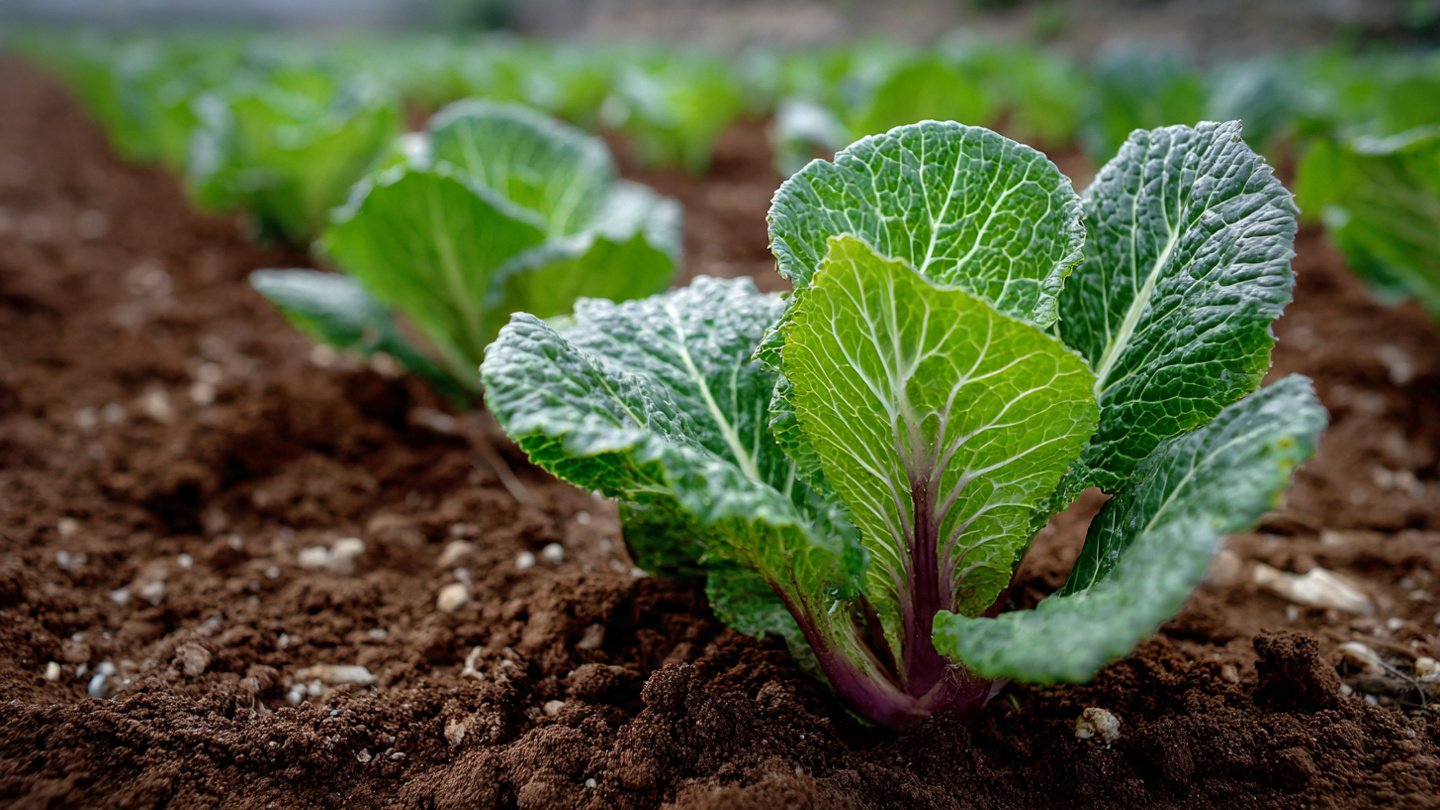
A thriving vegetable garden doesn’t happen by chance. While sunlight, water, and care are essential, the foundation of any successful garden is the soil beneath your feet. Yet, many home gardeners overlook a crucial practice that can dramatically improve yields, plant health, and sustainability: annual soil testing. By understanding the nutrient content, pH balance, and overall fertility of your soil, you can make informed decisions that elevate your vegetable garden from good to exceptional.
Soil testing may sound like a scientific or time-consuming task, but it is simpler than most gardeners think. Its benefits, however, are profound and can transform how your garden grows year after year.
Why Soil Testing Matters
Soil is more than dirt—it’s a complex living ecosystem composed of minerals, organic matter, microbes, and nutrients. Over time, planting and harvesting vegetables deplete the soil of essential nutrients like nitrogen, phosphorus, potassium, and trace minerals. Improper fertilization or pH imbalance can further reduce soil fertility and crop quality.
Without soil testing:
- You might apply too much or too little fertilizer, wasting resources and potentially harming plants
- Nutrient deficiencies or toxicities can go unnoticed until crops fail
- Soil pH may drift out of the ideal range for vegetable growth
- Long-term soil health may decline
Annual soil testing provides a clear snapshot of your garden’s health, allowing precise corrections and sustainable gardening practices.
What Soil Tests Can Reveal
Modern soil tests go far beyond a simple nutrient check. Key insights include:
- Macronutrient Levels
Tests reveal the amount of nitrogen (N), phosphorus (P), and potassium (K) in your soil. These nutrients are essential for leaf growth, flowering, and fruit production. - Micronutrient Availability
Calcium, magnesium, iron, zinc, and other trace elements are critical for plant development. Deficiencies may cause stunted growth, leaf yellowing, or poor yields. - Soil pH
The pH level affects nutrient availability. Most vegetables thrive in slightly acidic to neutral soil (pH 6.0–7.0). Soil that is too acidic or alkaline can lock up nutrients, making them unavailable to plants. - Organic Matter and Texture
Tests often estimate organic matter content, helping gardeners understand soil structure, drainage, and water-holding capacity. - Salinity and Contaminants
For coastal or urban gardens, soil tests can detect salt buildup or heavy metals that could harm plants or make vegetables unsafe to eat.
How Annual Testing Improves Vegetable Growth
Armed with accurate soil data, gardeners can take targeted actions that directly benefit their crops:
Correct Nutrient Deficiencies
Instead of guessing which fertilizer to apply, you can address specific deficiencies. For instance, if phosphorus is low, adding bone meal or rock phosphate ensures strong root development.
Adjust Soil pH
If the soil is too acidic, lime can raise pH; if it’s too alkaline, sulfur can lower it. Proper pH ensures plants can absorb nutrients efficiently, preventing common issues like yellow leaves or poor fruiting.
Optimize Fertilizer Use
Soil testing prevents over- or under-fertilization, saving money and protecting the environment from excess runoff.
Boost Long-Term Soil Health
By knowing your soil’s strengths and weaknesses, you can rotate crops, add organic matter, and build a resilient ecosystem that continues to improve year after year.
Step-by-Step: How to Test Your Soil
Testing soil at home or through a professional lab is straightforward. Here’s a simple guide:
1. Collect Soil Samples
- Choose several spots across your garden to get a representative sample
- Remove surface debris like leaves and mulch
- Dig 6–8 inches deep and collect small amounts from each spot
- Mix all samples in a clean bucket to create a composite sample
2. Dry and Prepare the Sample
- Air-dry soil for a few days
- Break up clumps and remove rocks or roots
3. Submit to a Lab or Use a DIY Kit
- Local agricultural extension offices often offer soil testing services
- Home soil kits provide quick pH and nutrient readings, though lab tests are more comprehensive
4. Interpret the Results
- Look for nutrient levels, pH, and recommendations
- Labs often provide detailed advice for amendments
5. Apply Amendments Wisely
- Use organic or synthetic fertilizers based on recommendations
- Adjust pH gradually over time
- Incorporate compost to improve texture and microbial life
Seasonal Benefits of Annual Testing
Testing soil every year allows gardeners to track changes over time. Seasonal benefits include:
- Spring: Correct deficiencies before planting for vigorous early growth
- Summer: Monitor nutrient depletion in high-demand crops like tomatoes or peppers
- Fall: Amend soil with compost or cover crops to prepare for the next season
- Winter: Evaluate long-term trends and plan crop rotation or soil improvement strategies
This cyclical approach ensures continuous improvement and healthier plants year after year.
Beyond Fertility: Supporting Sustainable Gardening
Annual soil testing doesn’t just increase yields; it fosters sustainable practices:
- Reduces unnecessary chemical use
- Prevents nutrient runoff that can harm waterways
- Encourages organic amendments like compost or green manure
- Promotes soil biodiversity by maintaining balanced nutrient levels
In short, soil testing supports both your garden’s productivity and environmental responsibility.
Real-World Impact
Gardeners who test their soil annually often notice significant improvements over time:
- Stronger, greener leaves
- Higher fruit and vegetable yields
- Reduced pest and disease problems
- More resilient soil that retains moisture and nutrients better
By understanding your soil, every planting decision—from crop choice to fertilizer application—becomes smarter and more effective.
Common Mistakes to Avoid
Even with soil testing, some gardeners make errors that reduce its benefits:
- Testing only once: Soil changes every year; annual checks are crucial
- Ignoring recommendations: Applying amendments blindly wastes resources
- Sampling only one area: Soil variability across a garden requires multiple samples
- Neglecting organic matter: Nutrients alone don’t build healthy soil; compost and mulch are essential
Avoiding these mistakes ensures soil testing translates into real improvements.
Final Thoughts
Proper soil testing is a powerful yet often overlooked tool for vegetable gardeners. By understanding the nutrient profile, pH, and overall condition of your soil, you can make informed decisions that maximize yields, improve plant health, and support long-term sustainability. Annual testing transforms gardening from guesswork into a science-driven, productive, and environmentally responsible practice.
For anyone serious about growing vibrant vegetables year after year, soil testing isn’t optional—it’s essential.