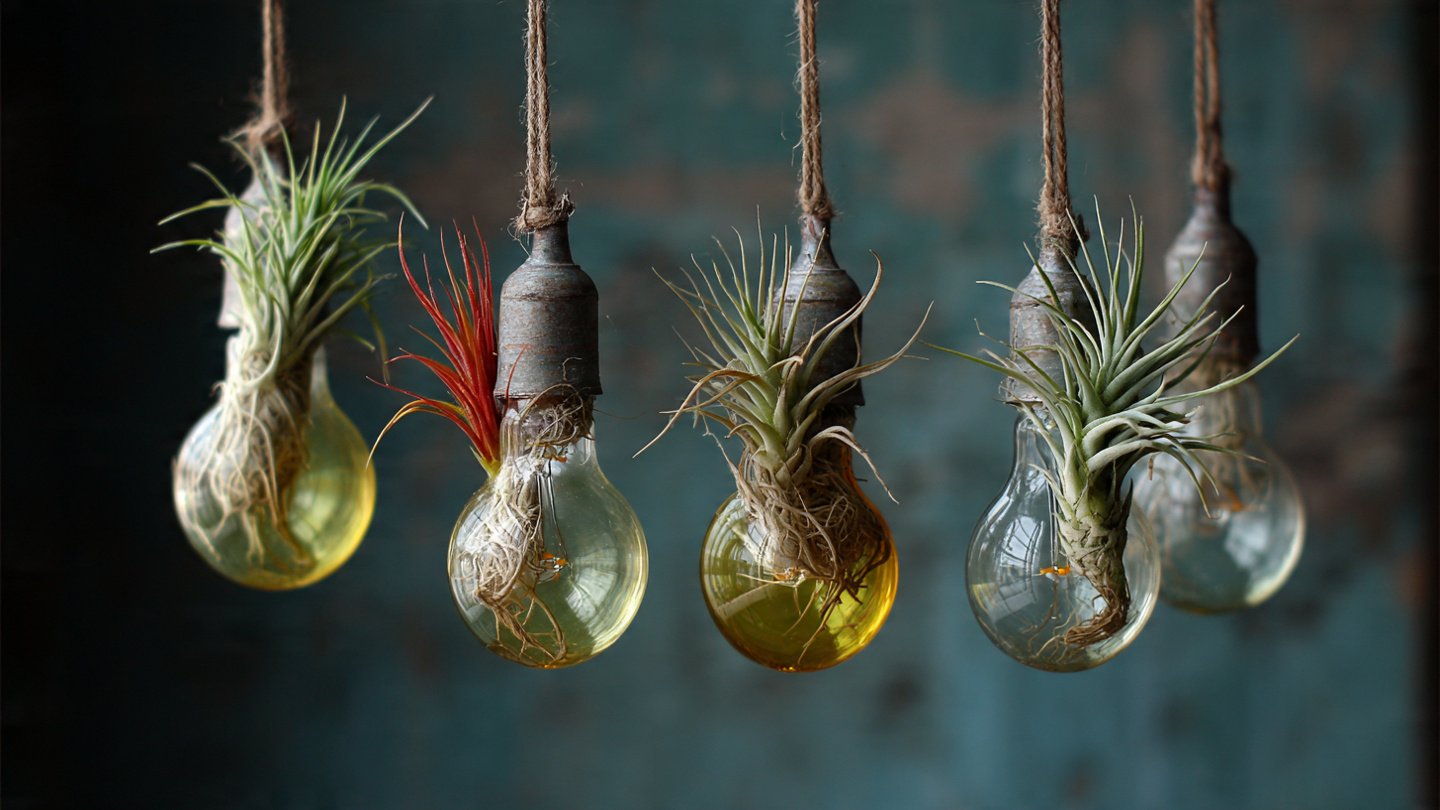
Air plants, or Tillandsia, have captured the hearts of indoor gardeners for their low-maintenance care and whimsical appearance. Their ability to thrive without soil makes them ideal for creative displays. One particularly charming idea is transforming old light bulbs into unique hanging air plant pods—a sustainable, eye-catching way to bring greenery into your home while giving discarded bulbs a second life.
This project combines upcycling, interior design, and gardening into a single activity that’s both practical and fun. Let’s explore how to safely turn old light bulbs into thriving air plant habitats.
Why Use Light Bulbs for Air Plants?
Using old light bulbs as air plant holders offers several benefits:
- Eco-Friendly: Repurposing bulbs reduces waste and keeps them out of landfills.
- Compact Design: The small size of bulbs is perfect for air plants, which don’t require soil.
- Visual Appeal: Clear glass bulbs showcase the plant from every angle, adding elegance to any room.
- Hanging Flexibility: Bulbs can be suspended individually or grouped for dynamic displays.
This makes light bulbs an ideal combination of sustainability and style.
Choosing the Right Bulbs
Not all light bulbs are suitable for this DIY project. Here’s what to consider:
- Incandescent Bulbs: Classic choices, easy to hollow out.
- Non-Shatter or Safety Bulbs: Reduce the risk of breakage when handling.
- Avoid CFL or LED Bulbs: These are difficult to hollow and often contain harmful materials.
Using bulbs with intact glass and metal components ensures a durable, functional air plant pod.
Tools and Materials You’ll Need
Safety is key when handling glass and electricity components. Gather the following:
- Old incandescent bulbs
- Needle-nose pliers and wire cutters
- Screwdriver or small metal tool for removing the filament
- Protective gloves and safety glasses
- Twine, wire, or fishing line for hanging
- Air plants
- Optional: sand, small stones, or moss for decoration
Having the right tools makes the process smoother and safer.
Step 1: Prepare the Bulb
Safety first: Always wear gloves and eye protection. The glass is fragile, and small shards can cause injury.
- Remove the metal base by gently prying it off with pliers.
- Take out the black glass insulation at the base using a small screwdriver.
- Carefully remove the filament and inner wires.
Once hollowed, the bulb becomes an open, transparent vessel ready for plants.
Step 2: Clean the Bulb
Before adding plants, ensure the bulb is clean:
- Rinse with warm water to remove debris from the filament.
- Allow it to dry completely—moisture can harm air plants if trapped inside.
A clean bulb provides a healthy environment for your air plants to thrive.
Step 3: Add Decorative Substrate (Optional)
Although air plants don’t need soil, a decorative base can enhance the visual appeal:
- Sand or gravel: Creates a miniature landscape.
- Moss: Adds a natural, soft texture and retains some moisture.
- Colored stones: Perfect for modern or artistic displays.
Keep the layer light to allow air circulation and easy maintenance.
Step 4: Insert the Air Plant
Carefully place your air plant inside the bulb. Make sure it sits securely but is not cramped—air plants need airflow around their leaves to prevent rot.
Tips for positioning:
- Angle the bulb slightly downward to prevent water from pooling inside.
- Avoid overcrowding; each bulb is best suited for one or two small air plants.
This ensures healthy growth and allows you to easily remove the plant for care.
Step 5: Hang the Bulb
Now that the bulb is ready, it’s time to hang it:
- Attach twine, wire, or fishing line around the metal base or secure it with a small hook.
- Hang the bulbs in bright, indirect sunlight. Air plants thrive with moderate light and good air circulation.
- Group several bulbs at different heights for a visually striking display.
Ensure the suspension system is secure to prevent accidents.
Caring for Air Plants in Bulbs
Air plants are low-maintenance, but they still need care:
- Watering: Mist the plants 2–3 times per week or soak them briefly every 1–2 weeks.
- Light: Bright, indirect sunlight is best; avoid direct, harsh rays.
- Airflow: Leave space around the leaves to prevent moisture buildup.
- Cleaning: Occasionally wipe the inside of the bulb to remove dust.
With proper care, air plants thrive for years in these creative pods.
Creative Display Ideas
Turning bulbs into air plant pods opens up endless design possibilities:
- Hanging Windows: Let sunlight filter through glass bulbs for a whimsical effect.
- Cluster Displays: Group multiple bulbs at varying heights for a chandelier-like installation.
- Seasonal Decorations: Add miniature ornaments, shells, or colored sand for seasonal flair.
- Desk Gardens: Use bulbs on small stands for indoor greenery without taking up much space.
These displays work well in kitchens, living rooms, or office spaces.
Benefits Beyond Aesthetic Appeal
Repurposing light bulbs for air plants has several practical and environmental advantages:
- Reduces landfill waste by giving old bulbs new life.
- Encourages creative DIY practices and upcycling awareness.
- Provides natural, low-maintenance greenery that purifies the air.
- Offers a personal touch to interior design and gift-giving.
It’s a project that blends sustainability with style, making it ideal for conscious home decorators.
Safety Considerations
Working with glass and old bulbs comes with risks:
- Always wear gloves and eye protection when removing filaments.
- Avoid using broken or damaged bulbs.
- Keep bulbs out of reach of children and pets.
- Do not attempt this with CFL or LED bulbs containing hazardous materials.
Following these precautions ensures a safe and enjoyable project.
Conclusion
Transforming old light bulbs into hanging air plant pods is a simple, creative, and eco-friendly way to add greenery to your home. With minimal tools and a little care, discarded bulbs become charming terrariums that showcase the beauty of air plants.
This DIY project not only gives a second life to old materials but also allows gardeners and decorators to experiment with suspended displays, groupings, and mini ecosystems. By blending sustainability, creativity, and plant care, your upcycled bulbs can become a unique feature of your living space—sparking conversation, inspiring design, and nurturing nature, all in one small package.
Whether you’re a seasoned indoor gardener or looking for a fun weekend project, these hanging air plant bulbs offer a rewarding and visually stunning result.