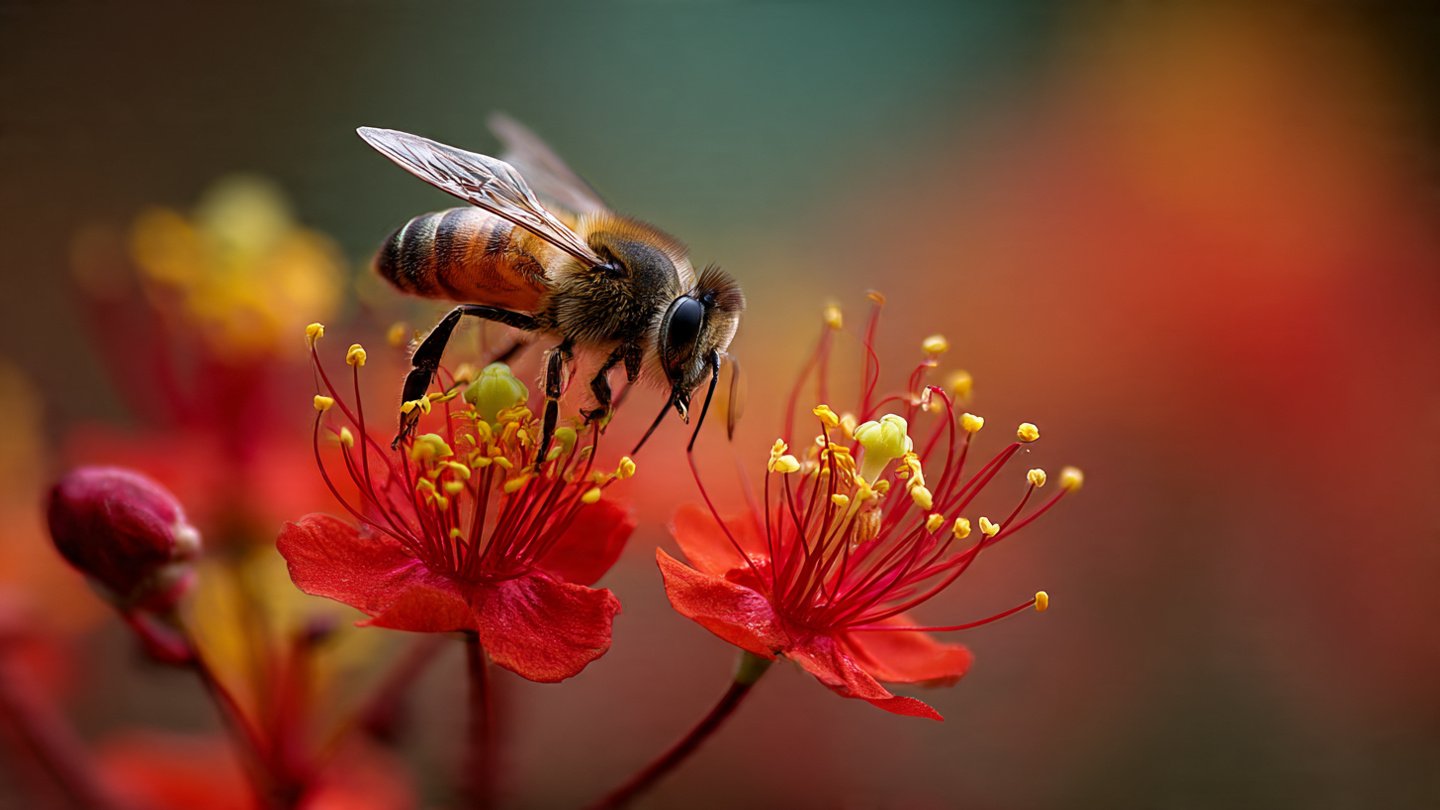
Nature is filled with extraordinary tricks, but few are as fascinating—or as deceptive—as the way some flowers imitate insects to attract pollinators. At first glance, a blossom may look beautiful simply because of its colors or shape. Look closer, however, and you may discover something astonishing: the flower isn’t just decorative—it’s pretending to be an insect.
This form of botanical mimicry is one of evolution’s most ingenious strategies. By copying the appearance, scent, and even texture of insects, certain flowers manipulate pollinators into doing exactly what the plant needs for survival: transferring pollen.
Why Pollinators Matter So Much
Pollinators such as bees, butterflies, moths, flies, and beetles play a crucial role in ecosystems. They help plants reproduce by moving pollen from one flower to another, enabling seed and fruit formation. Without pollinators, many plants—and the animals and humans that depend on them—would struggle to survive.
Because pollination is so vital, plants have evolved countless methods to attract pollinators. Some offer nectar rewards, others rely on bright colors or strong scents. But some flowers take a far more dramatic approach: they deceive pollinators through imitation.
What Is Insect Mimicry in Flowers?
Insect mimicry occurs when a flower evolves traits that closely resemble an insect or insect-related cues. These traits may include:
- Shape that resembles an insect’s body
- Colors that match insect patterns
- Fuzzy or glossy textures similar to wings or exoskeletons
- Scents that mimic insect pheromones
The goal is simple: trick the pollinator into approaching, landing on, or interacting with the flower long enough to collect or deposit pollen.
Visual Mimicry: Flowers That Look Like Insects
Some flowers are so convincing that even humans mistake them for insects at first glance. Petals may resemble wings, antennae, or segmented bodies. These visual cues are especially effective for insects that rely heavily on sight.
Pollinators are drawn to familiar shapes because they signal food, mates, or shelter. When a flower mimics these shapes, the pollinator approaches instinctively—unaware that it’s being fooled.
This strategy is particularly effective in environments where pollinators are scarce. Instead of competing with other flowers by offering nectar, the mimicking plant uses deception to secure pollination.
Scent Mimicry: Smelling Like an Insect
For many pollinators, smell is even more important than sight. Some flowers emit chemical compounds that closely resemble insect pheromones—the scents insects use to attract mates.
Male insects, drawn by what they believe is a potential partner, land on the flower and attempt to mate with it. During this interaction, pollen sticks to their bodies and is transferred to the next flower they visit.
This phenomenon, known as sexual deception, is one of the most precise forms of mimicry in nature. The scent signals are often so specific that they attract only one particular insect species, ensuring highly targeted pollination.
Texture and Touch: Completing the Illusion
Imitation doesn’t stop at appearance and smell. Some flowers have evolved surfaces that feel like insect bodies. Velvety textures, waxy coatings, or tiny hair-like structures reinforce the illusion when pollinators land.
These tactile cues encourage insects to stay longer, increasing the chances that pollen will attach to their bodies. The longer the interaction, the more successful the pollination.
Why Deception Works So Well
You might wonder why insects don’t “learn” to avoid these deceptive flowers. The answer lies in instinct and evolution.
Pollinators are driven by powerful biological urges—such as reproduction and survival—that override caution. Even if an insect gains no reward from a mimicking flower, the instinct to respond to familiar signals remains strong. From the plant’s perspective, even a small number of successful interactions is enough to ensure reproduction.
Benefits for the Flower
Insect mimicry offers several advantages:
- No need to produce nectar, saving energy
- Highly specific pollination, reducing wasted pollen
- Less competition with nectar-producing plants
- Greater efficiency in challenging environments
By specializing in one pollinator species, mimicking flowers often achieve remarkable pollination success with minimal resources.
Are Pollinators Harmed?
In most cases, pollinators are not physically harmed by these deceptive interactions. While they may not receive food or mating success, the energy cost is usually small. However, scientists continue to study whether repeated deception could affect insect behavior or population dynamics over time.
So far, the balance appears to favor coexistence, with both plants and pollinators continuing their evolutionary dance.
Evolution’s Arms Race
Insect-mimicking flowers are a prime example of coevolution, where two species influence each other’s development over time. As pollinators evolve sharper senses, flowers refine their mimicry. This ongoing “arms race” leads to increasingly sophisticated forms of deception.
Some flowers even evolve slightly different scents or shapes in different regions, adapting to local pollinator species with astonishing precision.
What This Teaches Us About Nature
The ability of flowers to imitate insects reminds us that nature is not just beautiful—it is strategic, experimental, and endlessly creative. These plants are not passive organisms but active participants in their ecosystems, using illusion and manipulation to survive.
Understanding these relationships deepens our appreciation for biodiversity and highlights the importance of protecting pollinators, whose behaviors shape the evolution of countless plant species.
Final Thoughts
Flowers that imitate insects reveal one of nature’s most remarkable survival strategies. Through visual, chemical, and tactile deception, these plants exploit pollinator instincts with extraordinary precision. What looks like a delicate bloom may, in fact, be a master of disguise—proof that in nature, survival often favors the cleverest illusionists.
The next time you admire a flower, take a closer look. You may be witnessing one of evolution’s most convincing impersonations.