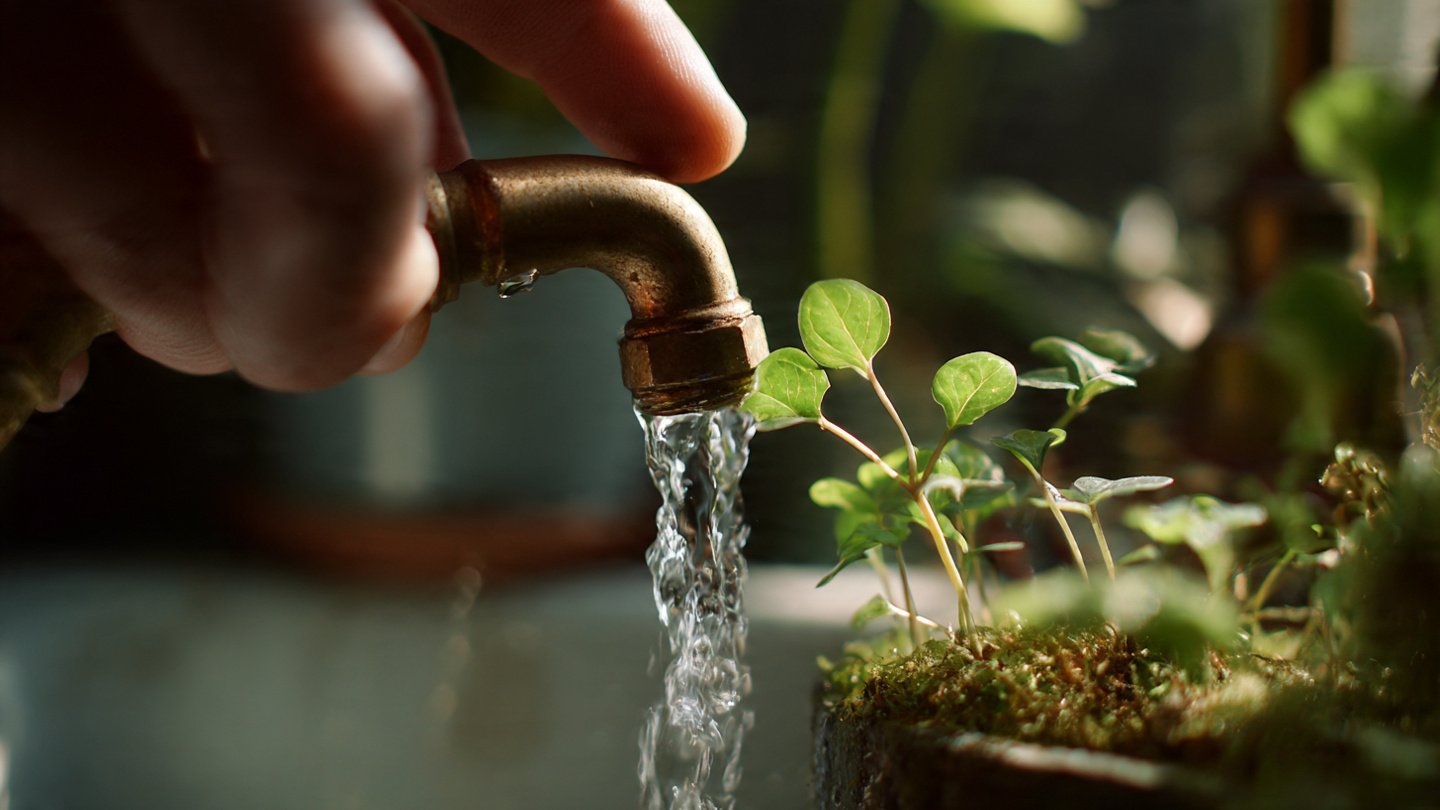
Propagating plants from cuttings is one of the most rewarding gardening practices. Watching a simple stem develop roots and new growth feels almost magical. Yet many gardeners unknowingly undermine this process with a seemingly harmless choice: using tap water. While convenient and readily available, tap water can pose hidden risks for delicate cuttings—especially during their most vulnerable early stages.
Understanding these risks can make the difference between thriving new plants and cuttings that wilt, rot, or fail to root altogether.
Why Cuttings Are Extra Sensitive
Cuttings lack a fully developed root system, which makes them far more sensitive to environmental conditions than mature plants. Without roots to filter and regulate water uptake, the exposed plant tissue absorbs whatever it’s given directly. This means water quality plays a much larger role during propagation than during regular watering.
What mature plants can tolerate, delicate cuttings often cannot. Even minor chemical imbalances or dissolved substances can interfere with cell development, root formation, and overall plant health.
The Chemicals Hidden in Tap Water
Most tap water is treated to make it safe for human consumption. While these treatments are essential for public health, they can be problematic for plant cuttings. Disinfectants such as chlorine and chloramine are commonly added to kill bacteria and pathogens in drinking water.
These chemicals, however, don’t distinguish between harmful microbes and beneficial plant processes. When absorbed by tender plant tissue, they can damage cells, slow root development, and stress the cutting before it has a chance to establish itself.
In some cases, repeated exposure can cause leaf yellowing, browning at the stem base, or complete failure to root.
Mineral Buildup and pH Imbalances
Tap water often contains dissolved minerals such as calcium, magnesium, and sodium. Over time, these minerals can accumulate in propagation containers, especially when water is not frequently changed.
For cuttings, mineral buildup can interfere with water absorption and nutrient balance. High mineral content may also alter the pH of the water, making it more alkaline than many plants prefer. Since root initiation is highly sensitive to pH, even small shifts can slow or prevent rooting.
Plants that prefer slightly acidic conditions are particularly vulnerable, as alkaline water can block the uptake of essential nutrients needed for new root growth.
Temperature Shock and Oxygen Levels
Another overlooked issue with tap water is temperature. Cold water straight from the tap can shock delicate cuttings, stressing plant tissue and slowing cellular activity. This shock can delay root formation or cause cuttings to wilt prematurely.
Additionally, freshly treated tap water may contain lower levels of dissolved oxygen. Oxygen is crucial for root development, and reduced oxygen availability can encourage rot rather than healthy root growth.
Increased Risk of Stem Rot
One of the most common failures in propagation is stem rot. Tap water can contribute to this problem by disrupting the plant’s natural defenses. Chemical residues may weaken cell walls, making the cutting more susceptible to fungal and bacterial infections.
When combined with stagnant water or poor airflow, the risk increases significantly. What appears to be a healthy cutting one day may collapse the next, with darkened, mushy tissue at the base.
Why Some Cuttings Survive Anyway
Many gardeners successfully propagate plants using tap water, which can make these risks seem exaggerated. However, success often depends on the resilience of the plant species and the quality of the local water supply.
Hardy plants may tolerate chemical exposure and mineral content without obvious damage. Delicate or slow-rooting plants, however, are far less forgiving. The hidden risk lies in assuming all plants will respond the same way.
Propagation failures are often blamed on timing or technique, when water quality is the silent culprit.
Better Water Choices for Propagation
To give cuttings the best possible start, many gardeners turn to alternative water sources. Rainwater is one of the most effective options, as it is naturally soft, oxygen-rich, and free from chemical additives.
Filtered water is another reliable choice. Simple household filters can remove many of the substances that stress cuttings, improving rooting success. Distilled water is sometimes used, though it lacks minerals and may need supplementation for longer-term growth.
Even allowing tap water to sit uncovered for 24 hours can help reduce some chemical content, making it gentler for short-term use.
Supporting Healthy Root Development
Water quality works best when combined with good propagation practices. Clean containers, regular water changes, and proper light conditions all contribute to success. Using sterile tools and avoiding overcrowding helps reduce disease pressure and allows cuttings to focus energy on root formation.
Monitoring cuttings closely during the first few weeks allows you to spot stress early. Clear water, firm stems, and healthy leaf color are signs that conditions are supportive.
A Small Change with Big Results
Switching from tap water to a gentler alternative may seem like a minor adjustment, but it often yields noticeable improvements. Faster rooting, stronger roots, and higher survival rates are common outcomes when water quality is optimized.
For gardeners who propagate frequently, this small change can save time, effort, and frustration while increasing overall success.
Understanding the Hidden Risk
The hidden risk of using tap water for delicate cuttings isn’t always immediate or obvious. Instead, it manifests as slow growth, unexplained rot, or repeated failures that seem random. By recognizing water as a critical factor, gardeners gain greater control over the propagation process.
Cuttings are at their most vulnerable when they are just beginning to form roots. Providing clean, gentle water during this stage supports natural growth processes and gives new plants the strong foundation they need.
Conclusion
Tap water may be convenient, but for delicate cuttings, it can quietly interfere with successful propagation. Chemical treatments, mineral content, temperature differences, and reduced oxygen levels all contribute to stress during a critical growth phase.
By choosing better water options and understanding the needs of young cuttings, gardeners can dramatically improve their propagation results. Sometimes, the difference between failure and flourishing isn’t technique or timing—it’s simply what’s in the water.