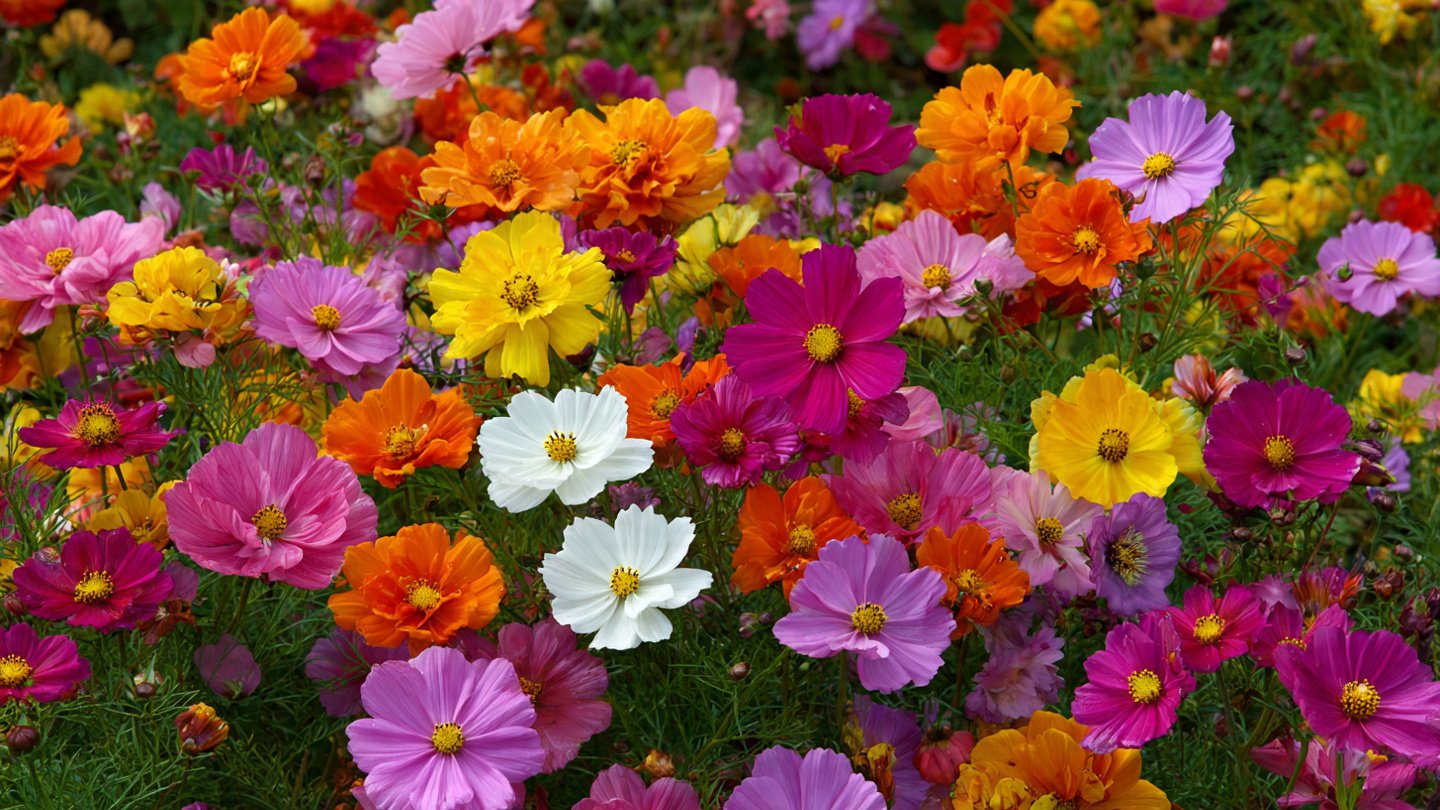
A garden that bursts with color in every season is the dream of many gardeners. While most gardens shine for a few weeks or months, thoughtful planning and the right flower choices can ensure year-round visual interest. By combining plants with different bloom times, foliage textures, and seasonal strengths, you can create a garden that feels alive and vibrant no matter the time of year. The key is understanding which flowers perform best in each season and how to layer them for continuous color.
Understanding Year-Round Blooming Gardens
No single flower blooms continuously throughout the year in all climates. A year-round colorful garden relies on succession planting—choosing flowers that take turns blooming as seasons change. When one group fades, another begins, maintaining visual appeal without gaps.
Climate plays a major role. Mild climates allow more overlap between bloom periods, while colder regions rely heavily on seasonal stars and evergreen foliage for winter interest. Regardless of location, careful selection makes year-round color achievable.
Spring: Fresh Color and Renewal
Spring is the season of renewal, when gardens come alive after winter dormancy. Early bloomers set the stage for the rest of the year.
Tulips and Daffodils
These classic spring bulbs bring bold, cheerful colors just as winter ends. Their vibrant yellows, reds, and pinks provide an instant lift to garden beds and borders.
Pansies and Violas
Hardy and versatile, pansies thrive in cool spring temperatures. Their wide range of colors makes them perfect for edging paths, containers, and flower beds.
Primroses
Primroses bloom early and abundantly, offering soft pastels and rich jewel tones. They work well in shaded areas where other spring flowers may struggle.
Summer: Bold and Abundant Blooms
Summer is when gardens reach their peak, and color choices are nearly limitless. Heat-loving flowers dominate this season.
Zinnias
Zinnias are fast-growing, low-maintenance, and bloom continuously through summer. Their bold colors attract pollinators and add structure to garden beds.
Petunias
Petunias spill beautifully from containers and hanging baskets. With regular deadheading, they flower non-stop, adding vibrant color to patios and borders.
Geraniums
Known for their durability, geraniums handle heat well and bloom consistently. They are excellent for both ground planting and containers.
Autumn: Warm Tones and Lasting Interest
As temperatures cool, autumn flowers bring rich, warm hues that transition the garden gracefully toward winter.
Chrysanthemums
Mums are the cornerstone of fall color. Available in yellows, oranges, reds, and purples, they bloom just as many summer flowers fade.
Asters
Asters extend the flowering season with daisy-like blooms that attract pollinators late in the year. Their blues and purples complement autumn foliage beautifully.
Sedum
Sedum adds texture and color in fall, with blooms that deepen in tone as temperatures drop. Even after flowering, the dried seed heads add visual interest.
Winter: Color Beyond Flowers
Winter gardens rely on a mix of cold-hardy blooms and colorful foliage to maintain appeal.
Hellebores
Often called winter roses, hellebores bloom during the coldest months. Their nodding flowers bring elegance and subtle color to winter landscapes.
Camellias
Camellias provide glossy evergreen leaves and stunning blooms in winter and early spring. Their flowers range from soft whites to deep reds.
Evergreen Foliage Plants
While not flowering, evergreens play a crucial role in winter color. Variegated leaves, red stems, and textured foliage keep the garden visually active.
Combining Flowers for Continuous Color
To achieve year-round blooms, layering is essential. Combine early, mid, and late bloomers within the same bed so that as one fades, another takes center stage. Mixing annuals and perennials ensures flexibility and consistency.
Containers also play a vital role. Seasonal container plantings can be swapped out easily, allowing you to maintain color even when garden beds are between bloom cycles.
Choosing Flowers Based on Sunlight
Sun exposure directly affects bloom success. Some flowers thrive in full sun, while others prefer partial or full shade.
- Full sun gardens benefit from zinnias, petunias, and geraniums.
- Partial shade areas are ideal for primroses, pansies, and hellebores.
- Shaded spaces rely more on foliage interest paired with shade-tolerant bloomers.
Matching flowers to their preferred conditions reduces stress and extends blooming periods.
Soil Health and Maintenance
Healthy soil supports longer and more vibrant flowering. Regular composting improves soil structure and nutrient availability. Mulching helps regulate temperature and moisture, reducing stress on plants throughout the year.
Deadheading spent blooms encourages many flowers to keep producing. Pruning at the right time also promotes healthier growth and better flowering in future seasons.
Color Planning for Visual Harmony
A year-round colorful garden doesn’t mean using every color everywhere. Thoughtful color planning creates balance and flow. Repeating color themes across seasons helps the garden feel cohesive.
Warm colors like reds and oranges energize spaces, while cool blues and purples create calm. Mixing both strategically keeps the garden dynamic without becoming overwhelming.
Adapting to Your Climate
Local climate determines which flowers perform best. Frost dates, rainfall patterns, and temperature extremes all influence bloom timing. Choosing flowers suited to your region ensures success with minimal effort.
Observing how your garden responds each season allows you to refine your choices and improve continuity over time.
Conclusion
Creating a garden that blooms with color all year round is a rewarding challenge that combines planning, creativity, and patience. By selecting flowers with staggered bloom times, supporting them with healthy soil, and adapting to your climate, you can enjoy a landscape that never feels dull. With the right mix of spring freshness, summer abundance, autumn warmth, and winter resilience, your garden can deliver beauty and color in every season of the year.