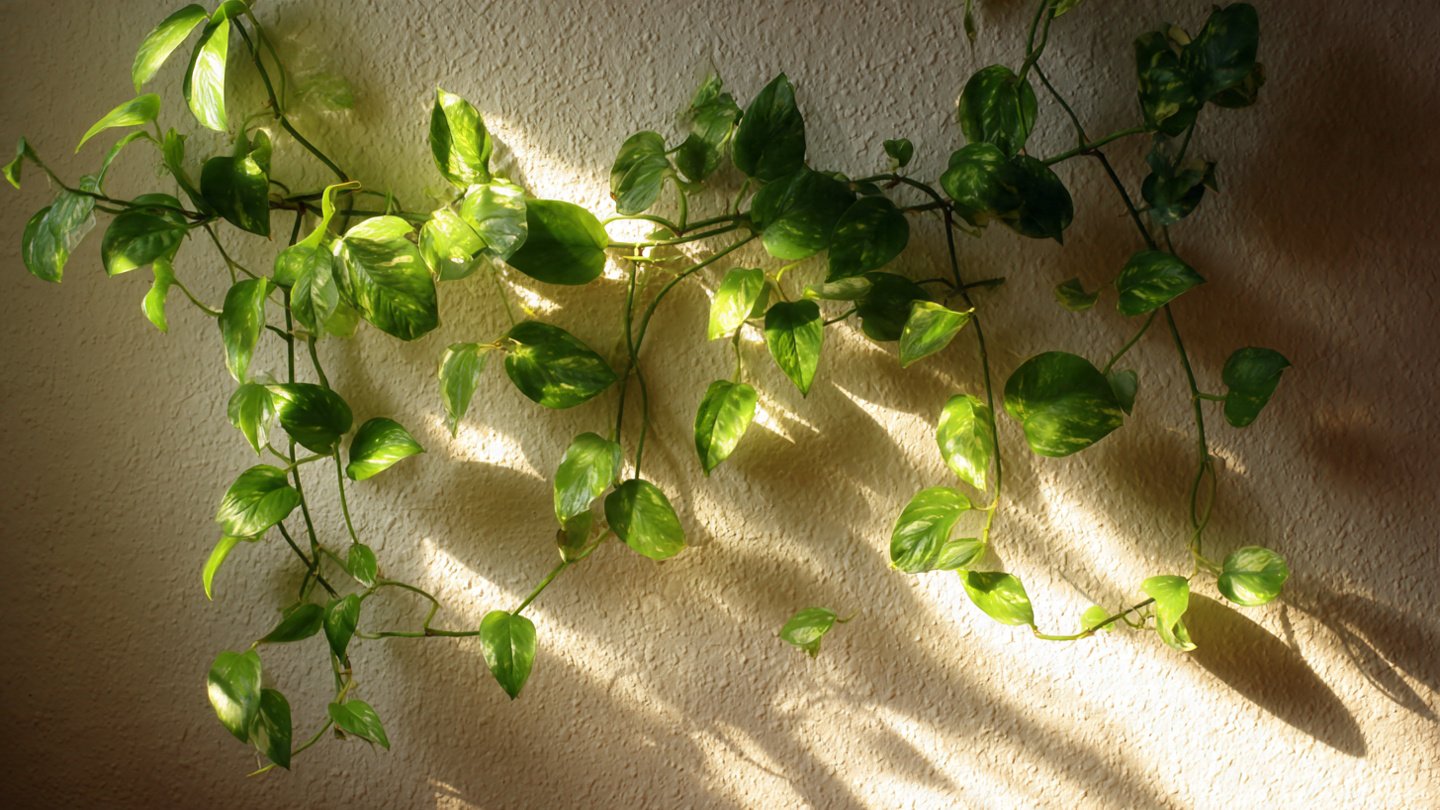
Climbing vines are some of the most versatile and visually striking plants for indoor spaces. From elegant pothos and philodendrons to flowering varieties like hoya or stephanotis, these plants can bring life, texture, and even a sense of height to your home. But to thrive indoors, climbing vines need proper support. Without guidance, they may sprawl uncontrollably, become tangled, or fail to reach their full potential.
Whether you’re a beginner or a seasoned indoor gardener, understanding the best ways to support your climbing vines is essential for healthy growth and a beautiful display.
Why Supporting Climbing Vines Matters
In nature, climbing plants grow toward light, often using trees, rocks, or other structures for support. Indoors, they lack natural structures, so they need human-provided support. Providing the right framework offers several benefits:
- Encourages Vertical Growth: Helps vines reach toward light efficiently.
- Promotes Healthier Plants: Reduces stress on stems and prevents breakage.
- Improves Aesthetic Appeal: Creates tidy, structured displays that enhance interior décor.
- Prevents Tangling: Keeps vines manageable, making maintenance easier.
Without support, vines may trail along the floor or flop out of pots, limiting their growth and visual impact.
Choosing the Right Support for Indoor Vines
The type of support you choose depends on your vine species, growth habit, and the space available. Common indoor supports include:
1. Moss Poles
- Ideal for tropical climbing plants like Monstera or Philodendron.
- Moss poles retain moisture, which encourages aerial roots to attach naturally.
- Secure the vine gently with soft ties or plant clips.
Moss poles allow vines to grow upright and mimic their natural rainforest habitat, promoting vigorous foliage.
2. Trellises
- Wooden, metal, or plastic trellises can support flowering vines such as hoya.
- Trellises can be mounted in pots or against walls for vertical interest.
- Choose a size proportionate to your vine’s potential growth.
Trellises are versatile, decorative, and can be adjusted as your plant grows.
3. Strings or Wires
- Great for lightweight vines like pothos or string-of-hearts.
- Can be hung from ceilings or attached to walls to create a cascading effect.
- Ensure the string is taut and secure, and use gentle ties to avoid damaging stems.
Strings and wires are minimalistic and unobtrusive, letting the plant itself take center stage.
4. Wall-Mounted Supports
- Vertical hooks, rods, or grids allow vines to climb flat surfaces.
- Ideal for small spaces or narrow walls.
- Works well for decorative arrangements and creating living wall designs.
Wall-mounted options can turn your climbing vine into a functional and beautiful piece of interior décor.
Training Your Vines to Climb
Once you’ve chosen a support, your vine needs guidance to grow along it. Key training techniques include:
- Tie Gently: Use soft ties, twist ties, or plant clips to attach stems without constricting growth.
- Rotate Plants: Regularly rotate the pot so all sides receive light, encouraging balanced growth.
- Guide New Shoots: As new vines emerge, direct them along the support structure to maintain order.
- Prune Strategically: Trim unruly or excessively long stems to maintain shape and encourage fuller growth.
Consistency and patience are crucial — plants naturally want to trail, so gentle guidance helps them adopt the desired climbing pattern.
Optimizing Conditions for Indoor Climbing Vines
Supporting vines is not only about the physical framework — environmental conditions are equally important for strong, healthy growth.
1. Light
- Most indoor climbing plants prefer bright, indirect light.
- Flowering vines like hoya may need extra hours of light to bloom.
- Rotate plants regularly to prevent uneven growth.
2. Water and Humidity
- Tropical vines often enjoy higher humidity, which encourages aerial roots to cling.
- Avoid overwatering; let the top layer of soil dry slightly between watering sessions.
- Mist leaves or place the plant near a humidifier to maintain moisture.
3. Fertilization
- Regular feeding supports robust growth along supports.
- Use balanced liquid fertilizers every 2–4 weeks during the growing season.
- Reduce feeding during winter months when growth slows.
4. Pot Size and Soil
- Use well-draining soil and choose a pot that allows room for root expansion.
- Vines in undersized pots may grow more slowly or become root-bound, limiting their climbing potential.
Creative Ways to Showcase Indoor Climbing Vines
With proper support, climbing vines can be a centerpiece of interior design. Consider these ideas:
- Living Curtain: Let vines trail from ceiling-mounted supports, creating a natural partition between spaces.
- Wall Art: Train vines along grids or trellises to form geometric or artistic patterns on walls.
- Topiary Shapes: Guide vines around shaped supports for sculptural greenery.
- Bookshelf Accent: Use small trellises or wire supports on shelves to create cascading vines that complement décor.
By combining support techniques with creative placement, vines can transform simple indoor spaces into lush, dynamic environments.
Common Challenges and Solutions
Supporting climbing vines indoors can come with challenges. Here’s how to address common issues:
- Flopping or Weak Stems: Ensure the support is tall and sturdy enough, and tie stems early to encourage upright growth.
- Sparse Growth: Increase light exposure and rotate the plant to stimulate fuller growth.
- Root Attachment Issues: For moss poles, keep the moss moist to encourage aerial roots to cling naturally.
- Overcrowding: Prune periodically to maintain airflow and prevent disease.
Proactive care ensures your climbing vines remain healthy, vigorous, and visually appealing.
Conclusion
Supporting climbing vines indoors is both a practical and creative endeavor. With the right framework, careful training, and optimal environmental conditions, vines can flourish vertically, creating stunning displays and bringing natural beauty into your home.
From moss poles and trellises to strings and wall-mounted systems, the options are abundant. The key is consistency: gentle ties, regular guidance, proper light, and humidity will allow your vines to thrive. Over time, with patience and attention, your indoor climbing vines can become a signature element of your interior design, offering both greenery and elegance.
Whether you’re showcasing a small philodendron or a flowering hoya, the secret to success lies in combining structure, care, and creativity — turning climbing vines into a living piece of art.