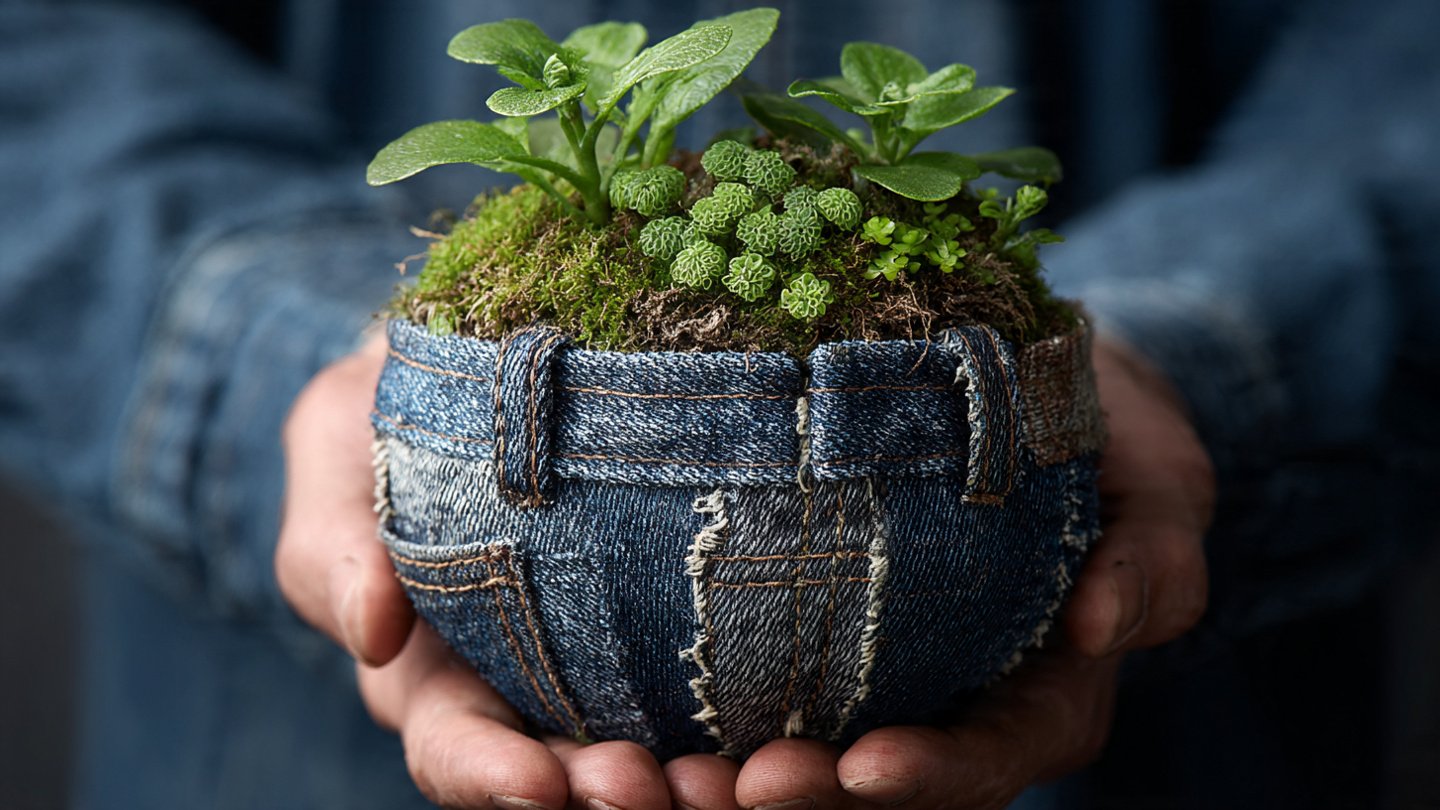
Upcycling old clothes into beautiful home décor is one of the most satisfying ways to combine creativity, sustainability, and gardening. Among the many DIY trends, kokedama — the Japanese art of creating moss ball planters — has captured the hearts of plant lovers worldwide. But what if you could take old jeans, one of the most durable and iconic fabrics, and turn them into unique denim kokedama balls? The result is a chic, eco-friendly, and completely personalized indoor garden piece that’s sure to catch the eye.
Let’s explore step by step how to turn your worn-out jeans into living art, along with tips, plant choices, and care advice to make your denim kokedama thrive.
What Is Kokedama?
Kokedama, often called the “poor man’s bonsai,” originated in Japan and involves growing a plant in a compact ball of soil wrapped in moss. Unlike traditional potted plants, kokedama can be hung, displayed on trays, or arranged as a centerpiece, offering a minimalist, floating aesthetic.
Traditionally, moss is wrapped around the soil, but using recycled denim from old jeans gives your kokedama a modern, rustic twist while reducing textile waste.
Why Use Old Jeans?
Old jeans are an ideal fabric for upcycling into kokedama because:
- Durability: Denim is thick and can withstand moisture from soil and watering.
- Flexibility: It can be cut, sewn, or wrapped around a ball of soil easily.
- Style: The faded blue tones, stitching, and pockets of old jeans add unique visual texture to your kokedama.
- Eco-Friendly: Upcycling reduces landfill waste while giving your plants a stylish new home.
This approach turns something old and forgotten into a conversation piece for your home or a unique gift for friends.
Materials You’ll Need
To create denim kokedama balls, gather the following items:
- Old jeans (or other durable denim fabric)
- Houseplants with compact root systems (like pothos, ferns, or succulents)
- Bonsai soil mix or akadama soil (well-draining soil for plants)
- Sphagnum moss (optional, for added texture and moisture retention)
- Twine, jute, or thin rope
- Scissors
- Gloves (optional, for handling soil)
Step-by-Step Guide to Creating Denim Kokedama Balls
Step 1: Choose the Right Plant
Not all plants are suitable for kokedama. Ideal candidates are:
- Low-maintenance indoor plants (pothos, ferns, small philodendrons)
- Slow-growing plants that won’t outgrow the ball too quickly
- Plants that tolerate some moisture variation, as the denim covering may slow drying
Avoid large-rooted or fast-growing plants, as they will be hard to maintain in a small denim-wrapped soil ball.
Step 2: Prepare the Soil Ball
- Mix bonsai soil with a little water until it holds together but isn’t muddy.
- Shape the soil into a compact ball that will comfortably fit your plant roots.
- Make a small hole or depression in the top to insert the plant.
Step 3: Prepare the Denim Fabric
- Cut your jeans into strips or squares, approximately 6–10 inches wide depending on the size of your soil ball.
- Remove any thick seams if they make the fabric difficult to wrap tightly.
- If you want a more rustic look, leave raw edges; if you prefer a clean look, hem the edges slightly.
Denim’s flexibility makes it easy to wrap around the soil ball while maintaining structure.
Step 4: Insert the Plant
- Carefully remove the plant from its pot, gently shaking off excess soil.
- Insert the roots into the depression on your soil ball.
- Make sure the roots are fully covered by soil and have firm contact with the ball.
Step 5: Wrap the Ball in Denim
- Place the soil ball in the center of your denim strip or square.
- Fold the denim over the soil ball evenly, covering the entire surface.
- Use twine or jute to secure the denim tightly around the ball. Tie multiple times if necessary to prevent slipping.
- If you want a hanging kokedama, leave enough twine to form a loop at the top.
Step 6: Optional Moss Layer
For added moisture retention and aesthetic appeal, you can wrap a thin layer of sphagnum moss around the denim before tying the twine. This gives the kokedama a classic mossy look while blending beautifully with denim’s rustic texture.
Caring for Denim Kokedama Balls
Denim kokedama balls require similar care to traditional kokedama:
- Watering: Submerge the entire ball in a bowl of water for 5–10 minutes when it starts to feel dry. Let excess water drain before placing it back on display.
- Light: Provide bright, indirect light for most indoor plants. Avoid direct sunlight that may fade the denim or scorch leaves.
- Humidity: Ferns and moss-loving plants may benefit from occasional misting.
- Pruning: Trim leaves or stems to maintain shape and prevent the plant from outgrowing the soil ball.
- Rotation: Rotate your kokedama occasionally to ensure even light exposure on all sides.
Creative Display Ideas
Once your denim kokedama is ready, there are endless ways to showcase it:
- Hanging Display: Use twine or decorative rope to hang multiple kokedama balls from hooks or a ceiling stand.
- Table Centerpiece: Arrange several denim kokedama balls on a shallow tray or bowl with pebbles for a stylish indoor garden.
- Wall Garden: Install small wall hooks and hang kokedama balls at varying heights for a unique living wall.
- Gifts: Denim kokedama balls make excellent eco-friendly gifts for plant lovers, adding a personal, handmade touch.
Why This DIY Project Is Worth Trying
Transforming old jeans into kokedama balls isn’t just about recycling fabric — it’s a creative and relaxing activity that combines fashion, gardening, and décor. Benefits include:
- Sustainable Living: Reduces textile waste by repurposing old clothing.
- Customizable Design: Denim provides a modern, rustic aesthetic, and you can combine multiple shades or patterns.
- Compact Gardening: Perfect for apartments or homes with limited space.
- Educational and Fun: Great project for children or DIY enthusiasts looking to experiment with plants.
Troubleshooting Common Issues
- Denim Rotting: Make sure your soil isn’t overly wet and water only when the ball starts to dry out.
- Plant Wilting: Check light exposure; some indoor plants may require brighter conditions.
- Loose Twine: Ensure twine is tied tightly and knot securely; double-looping helps.
With attention and care, denim kokedama balls can thrive for months or even years.
Conclusion
Turning old jeans into unique denim kokedama balls is a perfect example of upcycling meeting indoor gardening. It allows you to breathe new life into fabric while creating living décor that’s both functional and beautiful. From selecting the right plant to shaping the soil and wrapping with denim, every step is an opportunity for creativity and self-expression.
Not only do you end up with a stylish indoor garden, but you also contribute to sustainability, reduce textile waste, and explore the meditative, rewarding art of kokedama. Whether displayed on a tabletop, hung from the ceiling, or gifted to a friend, these denim kokedama balls are sure to brighten any space with greenery and ingenuity.