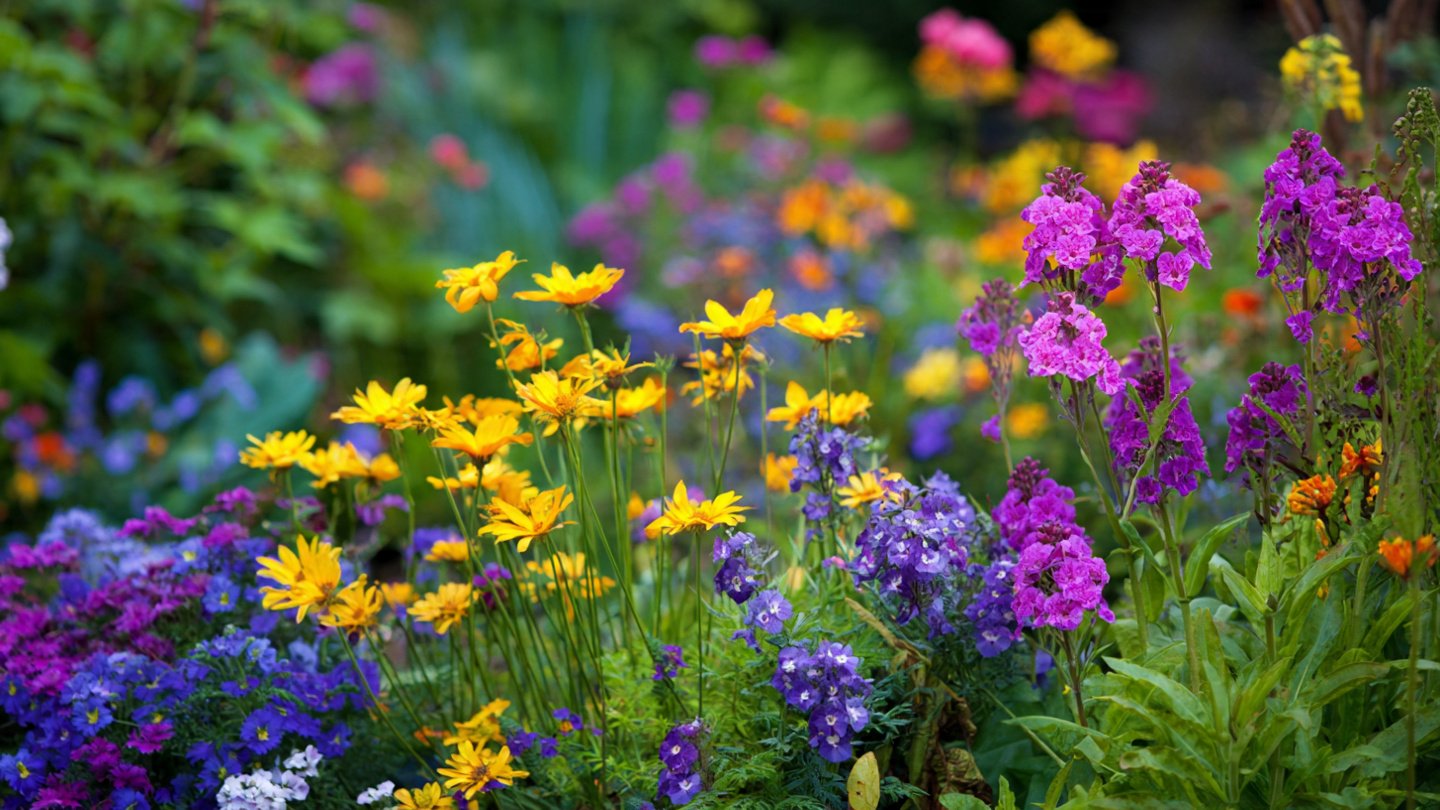
Gardening is a blend of science and art, and one of the oldest and most effective techniques for boosting plant health is companion planting. While many gardeners think of companion planting primarily for vegetables, flowers also benefit immensely from strategic plant pairings. By understanding which flowers and plants support each other, you can naturally improve growth, repel pests, attract pollinators, and create a more resilient garden ecosystem.
This article explores the science, benefits, and best practices for using companion planting to enhance the health of your flowers.
1. Understanding Companion Planting
Companion planting involves growing different plants near each other to gain mutual benefits. These benefits can include:
- Pest control: Certain plants repel insects that harm neighboring plants.
- Pollinator attraction: Some flowers attract bees, butterflies, and other pollinators.
- Soil enrichment: Plants like legumes fix nitrogen, improving soil fertility for nearby flowers.
- Shade or support: Tall plants can protect delicate flowers from excessive sun or wind.
In essence, companion planting leverages natural relationships in the ecosystem, reducing the need for chemical fertilizers or pesticides and promoting healthier, stronger flowers.
2. How Companion Planting Boosts Flower Health
A. Pest Prevention
Many flowers are vulnerable to pests such as aphids, caterpillars, and beetles. Companion plants can act as natural repellents. Examples include:
- Marigolds: Known as the “garden defender,” marigolds release compounds that deter nematodes and aphids. Planting them near roses, petunias, or zinnias can reduce pest infestations.
- Lavender: Its strong scent repels moths, flea beetles, and other pests. It works well near dahlias or other fragrant flowers.
- Garlic and chives: Planting these near flowers like tulips or irises can discourage aphids and spider mites.
By reducing pest pressure, companion planting helps your flowers grow vigorously without chemical interventions.
B. Enhanced Pollination
Pollinators are essential for flowering plants. Some companion flowers attract bees, butterflies, or hummingbirds, which in turn benefit nearby flowers. For example:
- Borage: Its star-shaped blue flowers attract bees and can improve the pollination of nearby sunflowers or calendulas.
- Cosmos: Their bright blooms draw pollinators, benefiting fruiting and flowering plants.
- Nasturtiums: Attract beneficial insects while also acting as a “trap crop” for aphids.
Better pollination leads to healthier blooms and longer flowering periods, creating a more vibrant garden.
C. Soil and Nutrient Benefits
Certain plants improve soil conditions for their companions:
- Legumes (e.g., clover or peas): Fix nitrogen in the soil, which feeds nitrogen-loving flowers like sunflowers and marigolds.
- Comfrey: Deep roots pull up nutrients like potassium and calcium, enriching the surrounding soil when leaves are used as mulch.
Companion planting can reduce the need for synthetic fertilizers, promoting a sustainable and healthy garden.
D. Microclimate and Physical Support
Some plants provide shade, wind protection, or structural support:
- Tall sunflowers: Can act as natural trellises or windbreaks for smaller flowers like nasturtiums or petunias.
- Ground covers: Plants such as creeping thyme or sweet alyssum protect the soil around delicate flowers, conserving moisture and reducing weed growth.
Strategic placement improves the microclimate, reducing stress and enhancing flower health.
3. Popular Companion Plant Combinations for Flowers
Here are some tried-and-tested pairings:
| Flower | Companion Plant | Benefit |
|---|---|---|
| Roses | Marigolds | Repels nematodes and aphids |
| Tulips | Garlic | Reduces aphid infestation |
| Petunias | Nasturtiums | Attracts beneficial insects |
| Sunflowers | Cosmos | Enhances pollinator visits |
| Lavender | Roses | Repels moths and pests |
| Dahlias | Basil | Deters aphids and improves growth |
Using these combinations ensures a naturally healthier, more vibrant flower garden.
4. Planning Your Companion Garden
Successful companion planting requires planning and observation:
- Understand plant needs: Consider sunlight, water, and soil requirements before pairing.
- Spacing: Ensure companions don’t overcrowd each other, which can reduce airflow and increase disease risk.
- Seasonal timing: Plant early bloomers near late bloomers to extend benefits like pollinator attraction and pest control.
- Rotation: Rotate flower companions each season to prevent soil depletion and disease buildup.
A well-planned garden ensures that companion plants deliver maximum benefits without unintended competition.
5. Avoiding Negative Plant Interactions
Not all plants thrive together. Some combinations can hinder growth or attract pests:
- Avoid pairing strong competitors: For example, invasive or fast-growing plants like morning glory can overwhelm smaller flowers.
- Watch for chemical inhibition: Certain plants release allelopathic chemicals (like black walnut) that inhibit nearby plant growth.
- Be mindful of nutrient competition: Nitrogen-hungry plants may compete with others for resources if planted too closely.
Knowing which plants complement or conflict ensures a thriving, harmonious flower garden.
6. Companion Planting for Indoor Flowers
Companion planting isn’t limited to outdoor gardens. Indoor potted flowers also benefit:
- Aromatic herbs (basil, mint, rosemary): Can reduce indoor pests like aphids and fungus gnats.
- Small flowering companions (marigolds, alyssum): Boost pollinator activity if grown near windows or greenhouses.
Indoor companion planting enhances flower health and air quality, while making your indoor space more aromatic and lively.
7. Additional Tips for Healthier Flowers
- Regular pruning: Keeps companion plants from overshadowing or choking neighboring flowers.
- Mulching: Helps conserve soil moisture, regulate temperature, and add nutrients.
- Monitoring for pests: Even with companions, check flowers regularly for infestations.
- Organic fertilizers: Use compost or manure to supplement nutrient needs, ensuring both primary and companion plants thrive.
Combining these practices with companion planting creates resilient, flourishing flower gardens.
8. The Environmental Benefits of Companion Planting
Companion planting not only benefits individual flowers but also promotes eco-friendly gardening:
- Reduces chemical pesticide and fertilizer use
- Encourages biodiversity by attracting beneficial insects
- Improves soil fertility naturally
- Enhances sustainability in both home and community gardens
By thinking ecologically, your flower garden becomes part of a healthy, balanced ecosystem.
9. Real-World Success Stories
Many gardeners have reported significant improvements using companion planting:
- Longer bloom periods due to improved pollination
- Reduced pest damage without chemical intervention
- Vibrant foliage and stronger stems from nutrient-enriching companions
Such outcomes demonstrate that companion planting isn’t just theoretical — it has measurable effects on flower health.
10. Final Thoughts
Companion planting is a simple yet powerful method to enhance the health, beauty, and resilience of your flowers. By pairing plants thoughtfully, gardeners can:
- Repel pests naturally
- Attract pollinators for better blooms
- Improve soil fertility and microclimates
- Reduce maintenance while boosting productivity
Whether in outdoor gardens, raised beds, or indoor pots, companion planting allows flowers to thrive while fostering a more balanced and sustainable garden ecosystem. It’s a technique every gardener — from beginners to experienced horticulturists — can benefit from.
Adopt companion planting in your flower garden today, and watch your blooms grow healthier, brighter, and more resilient than ever.