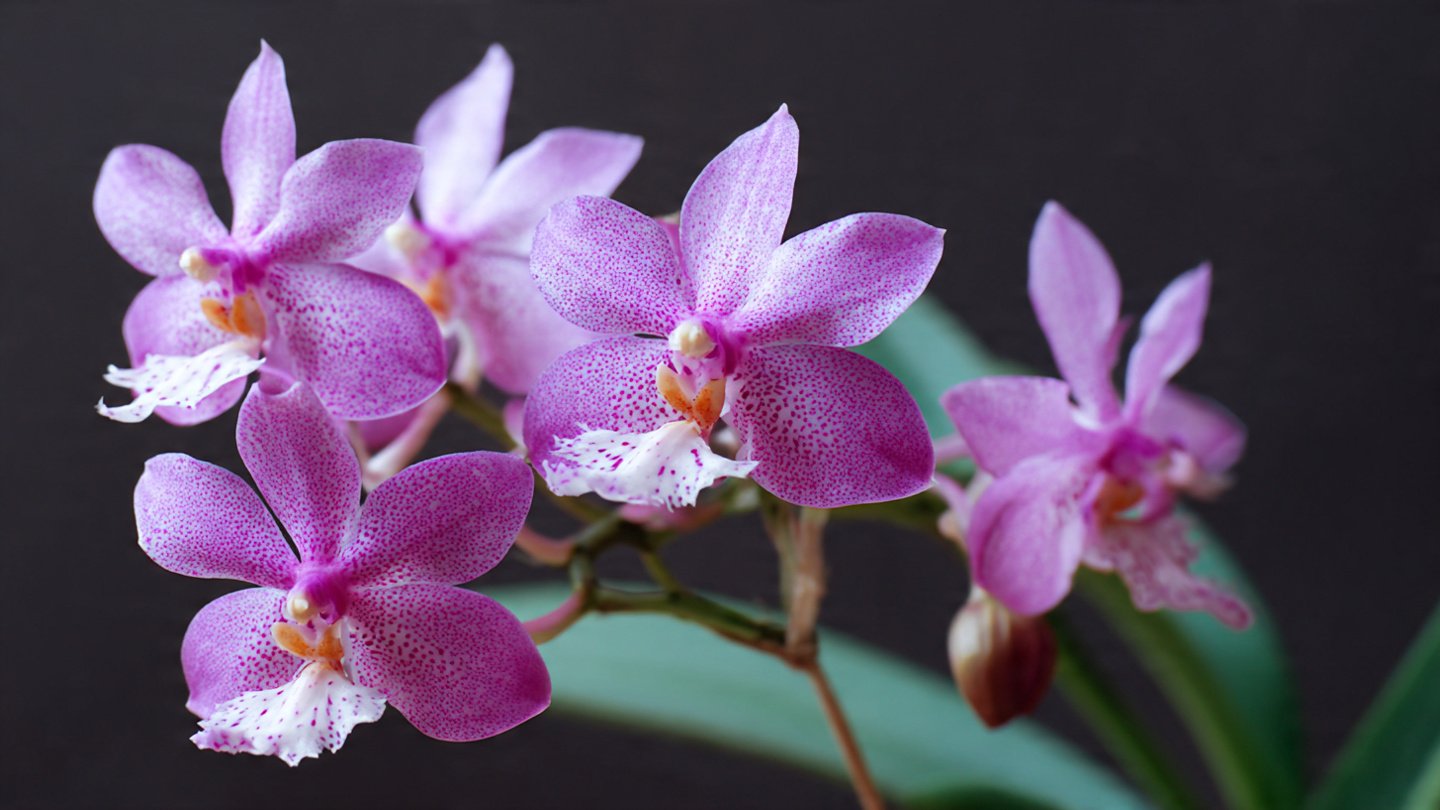
Orchids are among the most elegant and fascinating plants in the world, and many enthusiasts are captivated by the tiny offshoots known as keikis. Derived from the Hawaiian word for “baby,” a keiki is essentially a miniature clone of the parent orchid that develops on the stem or flower spike. These baby orchids offer a unique opportunity to expand your collection, share plants with friends, or simply enjoy watching new life flourish.
Yet nurturing keikis requires care, patience, and the right techniques to ensure they grow into healthy, strong orchids. Whether you’re a beginner or an experienced grower, understanding how to properly care for keikis can make the difference between a thriving plant and one that struggles to survive.
Understanding Orchid Keikis
Keikis are produced naturally by certain orchid species, most commonly Phalaenopsis and Dendrobium. They are clones of the parent, meaning they carry the exact same genetic traits, including flower color and form. Keikis typically develop on flower spikes or occasionally on the base of the plant, and they eventually develop their own roots and leaves.
Key things to know about keikis:
- They are miniature versions of the parent orchid.
- They need sufficient time to develop roots before being separated.
- Healthy keikis can be potted independently to grow into full orchids.
Understanding these basics helps you prepare for successful propagation.
Timing Is Everything
One of the most critical factors in nurturing keikis is timing. Attempting to remove or repot a keiki too early can stress or even kill it. Patience is essential.
Guidelines for timing:
- Wait until the keiki has at least 2–3 roots that are 2–3 inches long.
- Ensure the keiki has 2–3 healthy leaves before separating.
- Keep the keiki on the parent plant until it is strong enough to survive on its own.
Rushing the process is a common mistake among beginners, so resist the urge to harvest the baby orchid too soon.
Encouraging Keiki Growth
While some keikis develop naturally, certain care practices can encourage stronger and faster growth:
- Proper Light: Keikis thrive in bright, indirect light. Avoid direct sunlight, which can scorch the tender leaves.
- Consistent Humidity: Maintaining 50–70% humidity supports root growth. Using a humidity tray or a misting routine can be beneficial.
- Temperature: Most keikis prefer daytime temperatures of 75–85°F and nighttime temperatures around 65–70°F. Stable temperatures promote healthy development.
- Nutrient Support: Use a balanced, diluted orchid fertilizer (about ¼ strength) to feed both the parent and the keiki. Fertilize weekly or biweekly, reducing during winter.
- Keiki Paste: For Phalaenopsis orchids, applying keiki-inducing hormone paste can encourage the parent to produce new keikis. Use it sparingly and follow instructions to avoid plant stress.
With proper attention, keikis can develop robust roots and leaves in a matter of months.
Separating the Keiki Safely
Once a keiki is mature, it can be carefully removed from the parent plant. Proper technique is crucial to avoid damaging roots or stems.
Steps for safe separation:
- Sanitize Tools: Use sterilized scissors or a sharp knife to prevent infection.
- Cut Carefully: Cut the keiki at the base, leaving a small portion of the parent stem intact.
- Inspect Roots: Trim any damaged or dead roots and allow cuts to dry for a few hours to reduce risk of rot.
- Potting: Use a well-draining orchid mix, such as bark or sphagnum moss, and gently place the keiki with its roots spread naturally.
Proper separation sets the stage for a healthy transition from offshoot to independent plant.
Potting and Medium Considerations
Orchid keikis have specific needs when it comes to potting. Unlike standard houseplants, they require excellent drainage and air circulation around roots.
- Orchid Mix: Use coarse bark, coconut husk, or sphagnum moss to provide aeration. Avoid dense potting soil, which retains too much moisture.
- Pot Choice: Clear or semi-transparent orchid pots allow you to monitor root growth and detect any issues.
- Watering: Water sparingly, allowing roots to dry slightly between watering. Overwatering is the most common cause of root rot in keikis.
A carefully chosen medium helps the keiki establish a strong root system, essential for long-term growth.
Caring for Keikis in the First Year
The first year is crucial for a keiki’s development. Focus on building strength and resilience:
- Light: Keep consistent, bright but indirect light.
- Humidity and Ventilation: Maintain humidity without creating stagnant conditions that encourage fungal growth.
- Fertilization: Continue with diluted orchid fertilizer every 1–2 weeks.
- Monitoring: Watch for signs of pests or disease, such as yellowing leaves, soft roots, or aphids.
With consistent care, the keiki will grow into a vigorous plant capable of flowering in 1–2 years, depending on species.
Common Challenges and How to Overcome Them
Nurturing keikis can come with challenges, but awareness and proactive care make a huge difference:
- Root Rot: Caused by overwatering or poor drainage. Use coarse orchid media and water only when roots are partially dry.
- Slow Growth: Often due to insufficient light or nutrients. Adjust light levels and fertilization schedule.
- Pest Infestation: Aphids, scale, or mealybugs can target young keikis. Inspect plants regularly and treat with gentle, orchid-safe methods.
By anticipating these issues, keikis can thrive and eventually mature into healthy flowering orchids.
The Joy of Growing Your Orchid Collection
Nurturing keikis is not just a propagation method—it’s a rewarding way to experience the life cycle of orchids firsthand. Watching a tiny offshoot grow into a full plant is deeply satisfying, and sharing keikis with friends or fellow enthusiasts extends the joy.
Keikis also allow gardeners to experiment with growing conditions, potting techniques, and plant care, deepening their understanding of orchid biology and horticulture. Over time, a single parent orchid can produce multiple keikis, multiplying beauty and diversity in your home or garden.
Conclusion
Caring for orchid keikis requires patience, attention, and a bit of horticultural know-how, but the rewards are well worth it. By providing the right light, humidity, temperature, nutrients, and potting environment, you can nurture strong, healthy keikis that grow into beautiful, independent orchids.
Whether you’re a beginner or an experienced orchid enthusiast, mastering keiki care opens the door to expanding your collection naturally, enjoying the satisfaction of propagation, and witnessing the delicate artistry of orchid growth up close. With proper care and dedication, your keikis will thrive, eventually producing blooms that mirror the elegance of their parent plant.