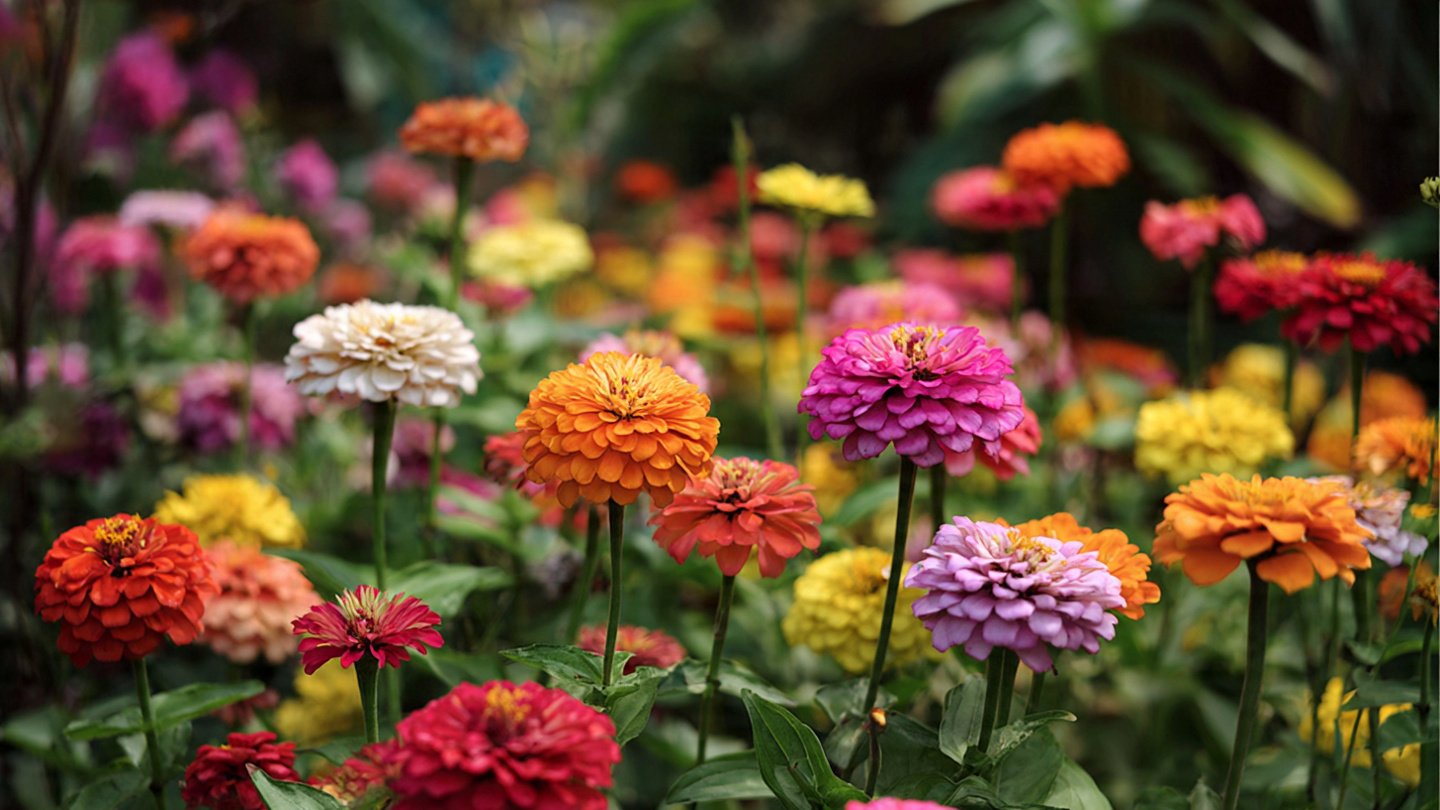
A truly stunning garden isn’t just about a burst of color during a single season. The best gardens have dynamic foliage that looks vibrant all year round, and the right selection of flowers can enhance this effect dramatically. While many gardeners focus on blooms alone, integrating flowers that complement and elevate perennial foliage can transform a garden from ordinary to extraordinary.
But which flowers consistently enhance year-round foliage, providing color, texture, and visual interest through the changing seasons? Let’s explore the top options that combine beauty and resilience.
1. Hellebores (Helleborus spp.) – Winter’s Evergreen Charm
Hellebores, often called “Christmas Roses” or “Lenten Roses,” are prized for their evergreen foliage and early blooms. These plants thrive in shaded areas, making them perfect for woodland-style gardens.
- Why they enhance foliage: Their dark green leaves persist through winter, adding structure to beds when most other plants are dormant.
- Flower color: White, pink, purple, and greenish hues bloom in late winter to early spring, contrasting beautifully against the evergreen leaves.
Hellebores are low-maintenance and can naturalize over time, creating consistent color and foliage in your garden year after year.
2. Camellias – Long-Blooming Elegance
Camellias are a staple for gardeners seeking evergreen beauty and seasonal flowers. Their glossy leaves remain vibrant even in the harshest winter months, offering a strong visual anchor.
- Why they enhance foliage: The thick, leathery green leaves provide a dramatic backdrop to their seasonal blooms.
- Flower color: Shades range from pure white to deep red, with many pink variations. Blooms appear in fall through winter depending on the variety.
Camellias add both height and depth to borders, making them a focal point in year-round garden design.
3. Heuchera (Coral Bells) – Texture and Color Variation
Heuchera is not just valued for its small, delicate flowers—it is celebrated for its foliage, which comes in shades of purple, silver, green, and even burgundy.
- Why they enhance foliage: The leaves provide continuous color and texture, even when flowers are minimal.
- Flower color: Tiny bell-shaped flowers in white, pink, or red appear in spring and summer, adding a light, airy contrast to dense leaves.
Coral Bells thrive in partial shade and are ideal for underplanting taller perennials or shrubs, enhancing the year-round appearance of garden beds.
4. Ornamental Grasses – Movement and Seasonal Interest
While technically not a “flower” in the traditional sense, ornamental grasses produce flowering plumes that add texture and movement to gardens.
- Why they enhance foliage: Their leaves stay vibrant through multiple seasons, turning gold or bronze in fall, and some varieties remain attractive in winter.
- Flower color: Plumes can range from white and silver to soft pink and reddish-brown.
Grasses like Miscanthus, Pennisetum, and Festuca provide contrast to broadleaf plants, adding flow and natural rhythm to garden design.
5. Azaleas – Spring Bloomers with Evergreen Benefits
Evergreen azaleas are a classic choice for gardeners who want colorful flowers paired with lasting foliage.
- Why they enhance foliage: Their dense, dark green leaves remain attractive outside of bloom season, forming a lush backdrop.
- Flower color: Bright pinks, reds, oranges, and whites bloom in spring, making foliage appear even more vibrant by contrast.
Azaleas also pair well with spring bulbs, magnolias, and shade-tolerant perennials, creating layered visual interest throughout the year.
6. Daphne – Fragrance and Foliage All Year
Daphne plants are known for compact, evergreen growth and wonderfully fragrant flowers.
- Why they enhance foliage: Shiny green leaves remain year-round, providing a reliable structure and visual continuity in garden beds.
- Flower color: Fragrant flowers appear in shades of pink, purple, and white, typically in late winter or early spring.
Daphne is perfect for garden edges or foundation planting, combining sensory and aesthetic appeal.
7. Viburnum – Multi-Season Interest
Viburnums are shrubs that offer flowers, foliage, and berries, providing interest in multiple seasons.
- Why they enhance foliage: Many varieties are evergreen or semi-evergreen, maintaining greenery through fall and winter.
- Flower color: Clusters of white or pink flowers bloom in spring, followed by attractive berries in summer or fall.
Viburnums also attract birds and pollinators, adding life and activity to your garden while complementing surrounding plants.
8. Mahonia (Oregon Grape) – Winter Blooms and Structural Leaves
Mahonia is an evergreen shrub with spiky, holly-like leaves and early yellow blooms in winter.
- Why they enhance foliage: Glossy, deep green leaves persist year-round and provide strong structural contrast to softer-leaved plants.
- Flower color: Bright yellow flowers appear in clusters, bringing sunlight to a dormant garden.
The combination of structural foliage and unexpected winter blooms makes Mahonia a striking addition to shade gardens or woodland edges.
Design Tips for Year-Round Foliage
- Layer Plants by Height: Place taller evergreen shrubs or small trees at the back, with medium perennials like Hellebores and Heuchera in front. Ground covers or low-growing plants fill gaps, creating a full, layered effect.
- Mix Evergreen and Deciduous Plants: Evergreens provide structure, while deciduous flowering plants add seasonal bursts of color.
- Consider Foliage Color: Include plants with varied leaf colors—purples, silvers, variegated greens—to maintain interest even when flowers are sparse.
- Plant in Clusters: Group similar plants to create visual impact and emphasize foliage textures and colors.
- Include Ornamental Features: Rocks, mulch, or decorative containers can further highlight plants and keep your garden visually compelling year-round.
Conclusion
Creating a garden with year-round foliage and seasonal blooms requires strategic plant selection and thoughtful design. Plants like Hellebores, Camellias, Heuchera, Azaleas, Mahonia, and Viburnum not only provide beautiful flowers but also maintain vibrant greenery throughout the seasons. By combining these plants with ornamental grasses and thoughtful layering, you can achieve a garden that delights in every season—from the first signs of spring to the quiet beauty of winter.
Incorporating plants with both evergreen foliage and seasonal blooms ensures that your garden never feels empty or dormant, making it a living, breathing masterpiece all year long.