Bathrooms are one of the most frequently used spaces in any home, and keeping them clean is essential for hygiene, comfort, and appearance. However, not all cleaning practices are safe for the materials in your bathroom. Grout, the material filling the spaces between tiles, is particularly vulnerable to damage from harsh chemicals, improper tools, and incorrect techniques. Once grout is damaged, it can be difficult and costly to repair.
Understanding common cleaning mistakes and how to avoid them can help maintain the integrity of your bathroom tiles, extend the lifespan of your grout, and keep your bathroom looking fresh and spotless.
Why Grout Is Vulnerable
Grout is porous, which makes it prone to staining, discoloration, and moisture absorption. Unlike tiles, which are often glazed or non-porous, grout can easily wear down if exposed to harsh chemicals, scrubbing abrasives, or excessive moisture. Over time, these mistakes can lead to cracking, crumbling, or permanent discoloration.
Mistake 1: Using Harsh Chemicals
One of the most common mistakes homeowners make is using strong acidic or bleach-based cleaners on grout regularly.
- Bleach overuse can weaken grout over time and cause it to crumble.
- Strong acids, such as muriatic acid or certain toilet cleaners, can erode the protective seal of grout.
- Ammonia-based cleaners may discolor grout, especially if it is colored or stained.
Better approach:
Use mild, pH-neutral cleaners specifically formulated for tile and grout. Simple solutions like a mixture of water and gentle dish soap or a vinegar-water solution (for sealed grout only) can clean effectively without causing damage.
Mistake 2: Using Abrasive Tools
Scrubbing with steel wool, metal brushes, or harsh scouring pads may remove stains initially, but these tools can permanently damage grout. Abrasive scrubbing wears down the surface and exposes the grout to water and dirt infiltration, leading to cracks and discoloration.
Better approach:
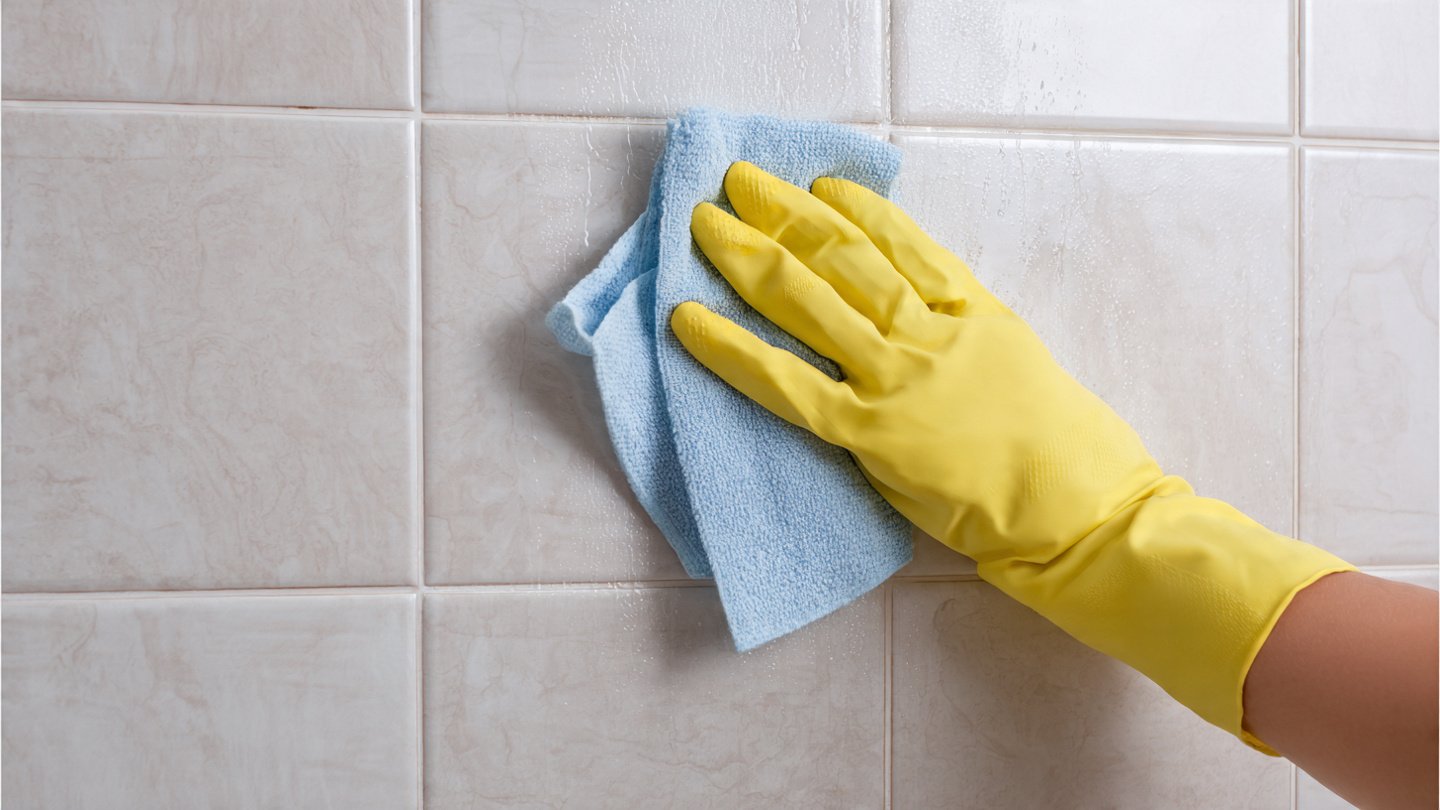
Use soft-bristled brushes or microfiber cloths for scrubbing grout. Toothbrush-sized brushes are perfect for detailed areas and corners. They clean effectively without eroding grout.
Mistake 3: Over-Scrubbing or Excessive Pressure
Even if you are using the right tools and cleaners, applying too much pressure while scrubbing can damage grout. Over time, this can thin the grout lines, create cracks, and reduce its structural integrity.
Better approach:
Gentle, circular motions and light pressure are sufficient to clean grout effectively. Focus on letting cleaning solutions soak into stains rather than forcing them out.
Mistake 4: Neglecting Sealing
Sealing grout is crucial to protecting it from moisture, stains, and mold growth. Some homeowners skip this step, thinking grout is naturally durable, or they fail to reseal after a few years. Without a seal, even gentle cleaners can cause stains to set permanently, and grout can deteriorate faster.
Better approach:
- Seal new grout after installation.
- Reseal grout every 6–12 months, depending on usage.
- Use a high-quality penetrating grout sealer for long-lasting protection.
Mistake 5: Using Excess Water or Letting Water Sit
Grout is porous, so letting water or cleaning solutions sit for long periods can cause problems:
- Promotes mold and mildew growth
- Causes water to seep into underlying surfaces
- Weakens grout over time
Better approach:
- Wipe down grout and tiles immediately after cleaning.
- Use a squeegee or microfiber cloth to remove excess water.
- Ensure proper bathroom ventilation to reduce humidity.
Mistake 6: Using the Wrong Cleaning Products for Your Grout Type
Not all grout is the same. Some is sanded, some unsanded, and some are epoxy-based. Using generic cleaners without checking the type of grout can lead to damage.
- Sanded grout can tolerate more scrubbing but may discolor with harsh chemicals.
- Unsanded grout is softer and more prone to crumbling under abrasion.
- Epoxy grout is highly resistant, but some cleaners can dull its shine.
Better approach:
Always check manufacturer recommendations for cleaning. Test any new cleaning solution in a small, inconspicuous area first.
Mistake 7: Ignoring Mold and Mildew Early
Mold and mildew often appear in grout because it retains moisture. Waiting too long to clean mold can result in permanent staining and structural damage. Some people attempt to scrape mold off forcefully, which can chip grout.
Better approach:
- Clean mold promptly with gentle, grout-safe solutions like diluted vinegar (if grout is sealed) or a baking soda paste.
- Dry thoroughly afterward.
- Improve bathroom ventilation to prevent recurrence.
Mistake 8: DIY Grout Cleaning Hacks Without Research
Many “DIY hacks” circulate online, from using hydrogen peroxide straight on grout to abrasive scrubbing techniques. While some are effective for minor stains, others can cause lasting damage if not used correctly.
Better approach:
- Research before trying any home remedy.
- Stick to tested, gentle methods for regular cleaning.
- Reserve stronger solutions for occasional deep cleaning with caution.
Long-Term Grout Care Tips
Maintaining grout requires more than just avoiding mistakes. Here are some key long-term strategies:
- Routine Cleaning: Clean grout weekly with mild cleaners and soft brushes.
- Sealing: Keep grout sealed to protect against moisture and staining.
- Ventilation: Reduce humidity in bathrooms using fans or open windows.
- Immediate Spill Cleanup: Wipe away soap, shampoo, or other chemicals promptly.
- Regular Inspection: Look for cracks or discoloration early to prevent permanent damage.
Signs Your Grout Needs Professional Attention
Even with careful cleaning, grout can wear over time. Signs you may need professional repair include:
- Deep cracks or crumbling edges
- Persistent stains that won’t come out
- Large areas of mold or mildew
- Loose tiles caused by weakened grout
Addressing these issues early can save time and cost compared to full re-grouting later.
Conclusion
Grout may seem durable, but it is sensitive to chemicals, abrasives, moisture, and neglect. Common bathroom cleaning mistakes—using harsh cleaners, over-scrubbing, ignoring sealing, or letting mold develop—can cause permanent damage that is difficult to repair.
By using gentle, grout-safe cleaning solutions, soft tools, proper sealing, and routine care, you can maintain strong, clean grout and keep your bathroom looking fresh for years. Avoiding these common mistakes is the first step toward a healthier, more beautiful bathroom that stands the test of time.
Taking a careful, informed approach to cleaning isn’t just about aesthetics—it preserves the functionality and longevity of your grout, saving you time, money, and frustration in the long run.