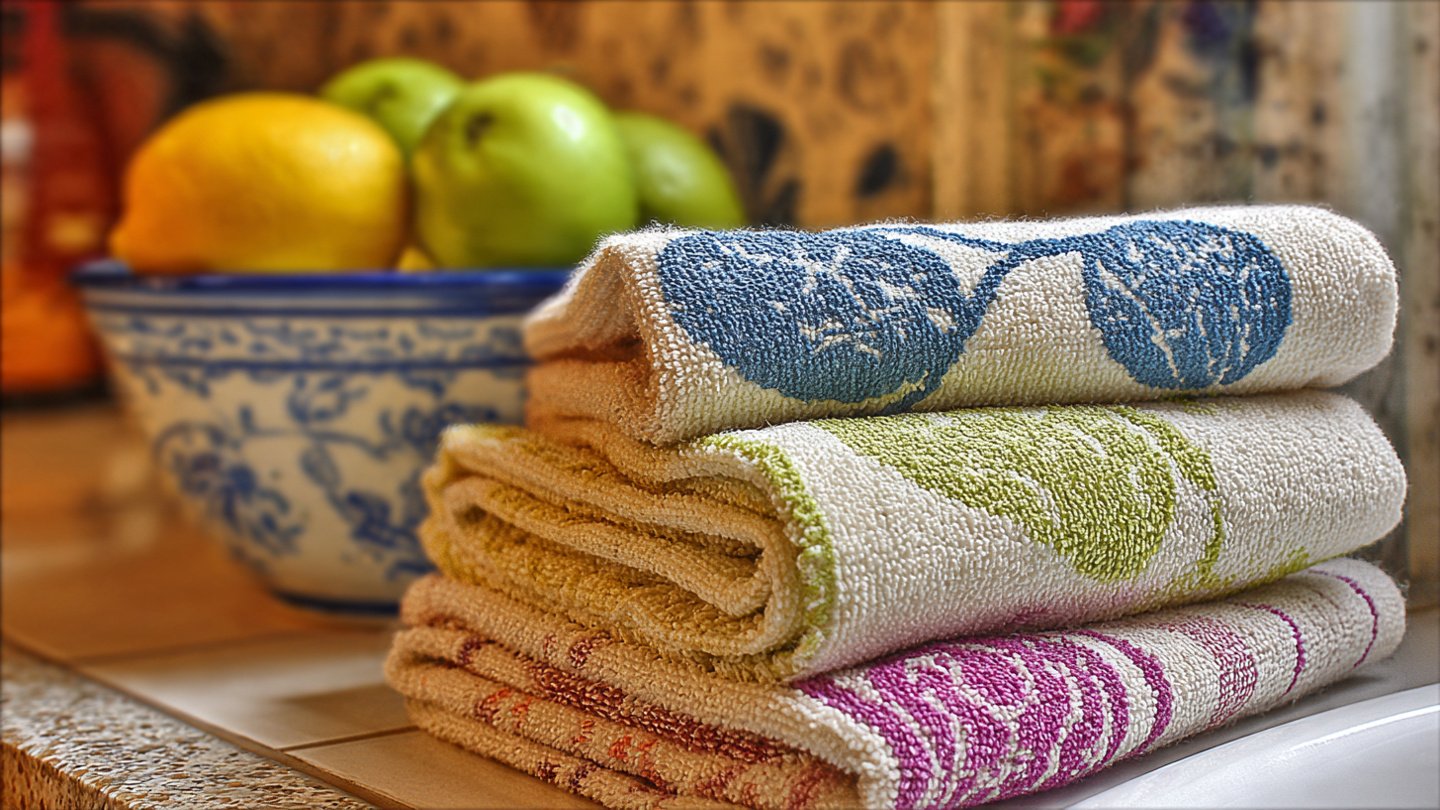
Kitchen towels are one of the most commonly used items in any household. They dry dishes, wipe counters, handle spills, and even act as impromptu potholders. Despite their essential role, these versatile tools often become a breeding ground for bacteria, fungi, and viruses. If not cleaned or replaced regularly, kitchen towels can pose serious hygiene risks, turning a helpful kitchen accessory into a source of illness. Understanding why kitchen towels harbor germs and how to manage them properly is essential for maintaining a safe and healthy home environment.
The Hidden Dangers of Kitchen Towels
At first glance, a kitchen towel may appear clean, but in reality, it can carry a staggering number of microorganisms. Several studies have found that kitchen towels can harbor more bacteria than toilet seats, due to the following reasons:
- Moisture Retention: A damp towel creates a perfect environment for bacterial growth. Moisture encourages the multiplication of microbes such as E. coli, Salmonella, and Staphylococcus aureus.
- Frequent Contact with Food: Towels wipe raw meats, vegetables, and spilled liquids, collecting pathogens from contaminated surfaces and ingredients.
- Extended Use: Towels used repeatedly without washing allow bacteria and fungi to multiply over time.
- Cross-Contamination: A single towel can transfer bacteria from raw meat to countertops, cutting boards, dishes, and even hands.
In short, the very convenience of kitchen towels makes them a silent vector for germs, potentially contributing to foodborne illnesses and other infections.
How Germs Multiply on Kitchen Towels
Understanding how bacteria and fungi thrive on towels highlights why regular replacement is necessary:
- Warmth: Kitchens often have warm environments, especially near stoves, which supports microbial growth.
- Organic Residue: Food particles trapped in towel fibers act as a nutrient source for bacteria.
- Repeated Handling: Each time a towel touches hands, dishes, or countertops, it picks up new germs and spreads them across surfaces.
- Moisture Cycles: Towels often remain damp for hours between uses, allowing microbes to multiply exponentially.
A single used towel left damp on a hook or counter can become a miniature breeding ground, doubling the bacterial load within hours.
Common Germs Found on Kitchen Towels
Several types of harmful microorganisms are frequently detected on kitchen towels:
- E. coli – Often from raw meat or unwashed vegetables, can cause severe gastrointestinal illness.
- Salmonella – Found in poultry, eggs, and dairy products; leads to fever, diarrhea, and abdominal cramps.
- Staphylococcus aureus – Present on human skin; can contaminate towels through handling, potentially causing food poisoning.
- Fungi and Mold – Moist towels can harbor mold spores, leading to allergic reactions and respiratory problems.
- Viruses – While less common, viruses like norovirus can persist on moist surfaces, including kitchen textiles.
Even if towels look clean, these invisible pathogens can persist and multiply, making regular cleaning and replacement crucial.
How Long Can Kitchen Towels Be Safely Used?
Experts recommend replacing or washing kitchen towels every 1–2 days, depending on usage:
- Daily Use: Towels used for drying hands, wiping counters, or handling food should ideally be washed after a single day of use.
- Multiple Uses: Towels used for heavy-duty spills or raw meat contact should be replaced immediately.
- Sick Household Members: During illness, towel use should be limited to prevent spreading bacteria and viruses.
Ignoring these guidelines can lead to high bacterial counts, even if towels appear clean and odorless.
Signs Your Kitchen Towels Are Contaminated
Several signs indicate a towel may be harboring harmful germs:
- Unpleasant Odor: A sour, musty smell signals bacterial or mold growth.
- Stiff or Discolored Fabric: Persistent stains or discoloration often mean bacteria and food residue are present.
- Visible Mold or Mildew: Black or green spots are direct evidence of fungal contamination.
- Frequent Illness: If household members experience repeated gastrointestinal issues, contaminated towels could be a contributing factor.
Even in the absence of these signs, towels may still carry bacteria, emphasizing the need for regular replacement and proper washing.
Best Practices for Cleaning Kitchen Towels
To minimize germ spread, proper cleaning is as important as replacing towels:
1. Frequent Washing
- Wash towels daily or every other day, depending on use.
- Hot water (60–90°C / 140–194°F) is most effective for killing bacteria and mold.
- Use a good-quality laundry detergent with disinfecting properties.
2. Avoid Cross-Contamination During Laundry
- Wash kitchen towels separately from regular laundry to prevent spreading germs to clothing.
- Use a sanitizing cycle if available.
3. Drying Thoroughly
- Dry towels completely in a hot dryer or under direct sunlight. Moisture left in towels encourages bacterial regrowth.
- Avoid leaving damp towels crumpled in laundry baskets or on hooks.
4. Disinfecting Methods
- Add white vinegar or baking soda to the wash to enhance disinfecting action.
- For heavily soiled towels, boiling them for a few minutes before machine washing can eliminate stubborn pathogens.
By following these practices, you reduce microbial load significantly and keep your kitchen safer.
Alternative Solutions to Reduce Germ Spread
Besides washing and replacement, consider alternatives to minimize contamination:
- Paper Towels: Single-use paper towels prevent the accumulation of bacteria, ideal for raw meat handling or spills.
- Hand Dryers: For hand-drying in kitchens, especially commercial setups, electric or touchless dryers eliminate towel contact.
- Dedicated Towels: Use separate towels for hands, dishes, and surfaces to prevent cross-contamination.
- Quick-Change Hooks: Install multiple hooks or racks to rotate fresh towels easily throughout the day.
Implementing these alternatives can significantly reduce microbial transfer in high-risk kitchen areas.
Educating the Household
Maintaining hygiene is not just about towels—it requires household awareness:
- Encourage everyone to use separate towels for hands and dishes.
- Teach proper handwashing before and after towel use.
- Create a routine for daily towel replacement and washing.
Educating household members prevents negligent habits that can compromise kitchen safety.
The Science Behind Germ Transfer
Research shows that bacteria from kitchen towels can transfer to hands, utensils, and food:
- A study found that 90% of kitchen towels tested carried pathogenic bacteria, including E. coli and Salmonella.
- Bacteria multiply rapidly on damp towels, sometimes reaching levels higher than toilet seats within a single day.
- Contaminated towels increase the risk of foodborne illness, especially when used for raw meat, fruits, or vegetables.
Understanding the science reinforces why regular replacement is not optional—it’s essential for preventing disease.
Environmental Considerations
Some may worry about frequent towel replacement impacting the environment. Consider these strategies:
- Use High-Quality, Durable Towels: Fewer replacements are needed if towels withstand frequent washing.
- Eco-Friendly Detergents: Reduce chemical impact while maintaining hygiene.
- Reusable Microfiber Cloths: These can be sanitized effectively and often require less water and energy to clean than traditional cotton towels.
Balancing hygiene with sustainability is possible when choosing the right materials and cleaning methods.
Conclusion
Kitchen towels are indispensable in daily cooking and cleaning, but they pose hidden risks when not replaced regularly. Damp, frequently used towels become breeding grounds for bacteria, fungi, and viruses, which can easily transfer to hands, surfaces, and food.
By following these key practices, you can minimize the risk:
- Replace towels every 1–2 days, or immediately after contact with raw meat or spills.
- Wash towels in hot water with effective detergents and dry thoroughly.
- Use separate towels for hands, dishes, and surfaces to avoid cross-contamination.
- Consider alternatives like paper towels or microfiber cloths in high-risk areas.
- Educate household members about proper towel hygiene and rotation.
Ultimately, regular towel replacement combined with proper cleaning is a simple but powerful step toward a safer, healthier kitchen. Protect your family from preventable illnesses by treating kitchen towels not just as convenience tools, but as critical hygiene instruments in your home.