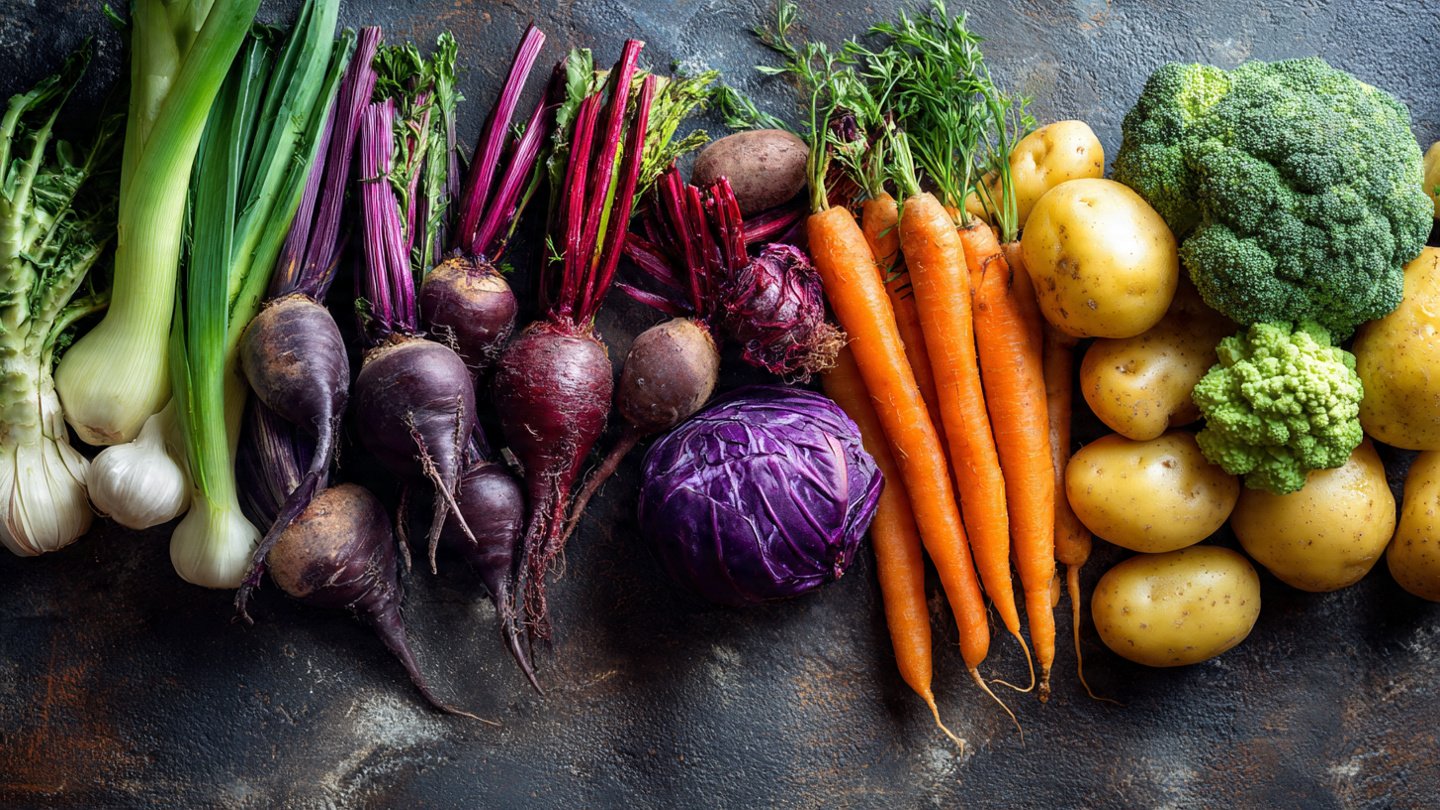
Iron is one of the most important minerals our body needs to function properly. It plays a vital role in carrying oxygen throughout the body, supporting energy production, and maintaining overall health. While iron is often associated with meat and animal products, vegetables can also be excellent sources, especially for vegetarians, vegans, and those looking to improve their diet naturally. Understanding the importance of iron in vegetables and how to optimize its absorption can have a profound impact on your health.
In this article, we’ll explore why iron is essential, which vegetables are rich in iron, the factors affecting absorption, and practical ways to incorporate iron-rich vegetables into your daily diet.
Understanding the Role of Iron in the Body
Iron is a key component of hemoglobin, a protein in red blood cells responsible for transporting oxygen from the lungs to tissues and organs. Without sufficient iron, your body cannot produce enough healthy red blood cells, leading to fatigue, weakness, and impaired immunity.
Iron is also involved in:
- Energy metabolism
- Brain function and cognitive development
- Immune system support
- Hormone production
Iron deficiency is one of the most common nutritional deficiencies worldwide, affecting millions of people. Vegetables offer a plant-based source of iron that can help prevent deficiency while promoting overall wellness.
Types of Iron Found in Foods
Iron comes in two forms in our diet:
- Heme iron: Found in animal products like red meat, fish, and poultry. It is easily absorbed by the body.
- Non-heme iron: Found in plant-based foods, including vegetables, legumes, nuts, and seeds. This form is less easily absorbed but can be enhanced with proper dietary practices.
Vegetables provide non-heme iron, making them essential for people following vegetarian or vegan diets. Combining iron-rich vegetables with certain other foods can significantly improve absorption.
Iron-Rich Vegetables to Include in Your Diet
Certain vegetables are particularly high in iron and other nutrients that support health. Here are some of the best sources:
- Spinach: One of the top plant-based sources of iron, also rich in vitamins A, C, and K
- Swiss chard: Provides iron along with magnesium and antioxidants
- Beet greens: The leafy tops of beets are loaded with iron and calcium
- Broccoli: Contains iron and vitamin C, which enhances iron absorption
- Kale: Offers iron, fiber, and powerful antioxidants
- Bok choy: A mild-flavored green with good iron content
Including a variety of these vegetables ensures not only iron intake but also a range of other essential vitamins and minerals.
How Iron from Vegetables Supports Your Health
Eating iron-rich vegetables offers multiple health benefits:
- Prevents anemia: Regular consumption of iron-rich vegetables can reduce the risk of iron-deficiency anemia, which causes fatigue, weakness, and poor concentration.
- Boosts energy: Iron is essential for oxygen transport and energy metabolism. Adequate iron helps maintain stamina and physical performance.
- Supports brain function: Iron plays a role in neurotransmitter production and cognitive development, aiding memory, focus, and mental clarity.
- Strengthens immunity: Iron contributes to a healthy immune system, improving your body’s ability to fight infections.
- Promotes healthy pregnancy: Adequate iron is vital for pregnant women to support fetal growth and prevent complications related to iron deficiency.
Vegetables not only provide iron but also contain antioxidants, fiber, and other nutrients that enhance overall health.
Factors Affecting Iron Absorption from Vegetables
Although vegetables are excellent iron sources, the body doesn’t absorb non-heme iron as efficiently as heme iron from animal sources. Certain dietary factors can enhance or inhibit absorption:
Enhancers:
- Vitamin C-rich foods: Citrus fruits, bell peppers, tomatoes, and broccoli boost iron absorption when eaten alongside iron-rich vegetables.
- Acidic foods: Lemon juice or vinegar added to salads can increase iron uptake.
Inhibitors:
- Phytates: Found in whole grains and legumes, can bind iron and reduce absorption
- Polyphenols: Present in tea, coffee, and some spices may hinder iron uptake
- Calcium: High amounts of calcium from supplements or dairy can interfere with iron absorption
Being mindful of these factors can help maximize the nutritional benefits of iron-rich vegetables.
Cooking Tips to Preserve and Enhance Iron Content
How you prepare vegetables can affect their iron content and bioavailability:
- Light cooking or steaming: Retains most iron while making vegetables easier to digest
- Avoid overcooking: Prolonged boiling can reduce iron and other nutrients
- Combine with vitamin C foods: For example, add bell peppers to sautéed spinach or squeeze lemon over kale
- Use cast-iron cookware: Cooking acidic vegetables in cast iron pans can increase iron content
Simple cooking adjustments can significantly improve iron absorption without compromising taste.
Meal Ideas to Include Iron-Rich Vegetables
Incorporating iron-rich vegetables into daily meals doesn’t have to be complicated. Here are some easy ideas:
- Breakfast: Spinach and tomato omelet or a smoothie with kale and citrus
- Lunch: Mixed green salad with Swiss chard, bell peppers, and lemon dressing
- Dinner: Stir-fried bok choy with tofu and garlic
- Snacks: Roasted beet greens or kale chips
Eating a variety of vegetables throughout the day ensures adequate iron intake and other essential nutrients.
Signs You Might Need More Iron
Even with a balanced diet, some people may struggle to meet their iron needs, especially vegetarians, vegans, pregnant women, and those with high physical activity levels. Signs of low iron include:
- Persistent fatigue or weakness
- Pale skin
- Shortness of breath
- Poor concentration
- Frequent infections
If these symptoms persist, it’s important to consult a healthcare professional and consider dietary adjustments or supplements as recommended.
Final Thoughts
Iron is a crucial mineral that supports energy, immunity, brain function, and overall health. Vegetables provide a safe, nutritious, and plant-based source of iron that is perfect for daily consumption. By focusing on iron-rich greens, combining them with vitamin C foods, and using smart cooking methods, you can significantly improve your iron intake and reap the health benefits.
Incorporating a variety of iron-rich vegetables into your meals is an easy, natural way to prevent deficiency, boost energy levels, and promote long-term wellness. Whether you are a vegetarian, vegan, or simply looking to eat healthier, paying attention to iron in vegetables is an essential step toward better health.